

Ancient Egyptian Temples
Ancient Egyptian temples reveal more than three millennia of sacred architecture from Luxor to Nubia. Moreover, explore their history and discover our growing collection of detailed temple guides.
Ancient Egyptian Temples: A Journey Written in Stone
Ancient Egyptian temples were divine residences, economic centers, royal theatres and powerful symbols of cosmic order. Therefore, each complex reveals far more than monumental architecture.
From Karnak’s forest of columns to Philae’s island setting, their design guided processions from bright public courts toward a hidden sanctuary. Moreover, successive kings enlarged these places, leaving a layered record of belief, politics and art. In addition, the UNESCO Ancient Thebes listing explains the international importance of Luxor’s sacred landscape.
Follow the Ancient Egyptian Temples Route
Ancient Egyptian Temples on Luxor East Bank
First, begin on Luxor’s East Bank, where Karnak and Luxor Temple formed the ceremonial heart of ancient Thebes.
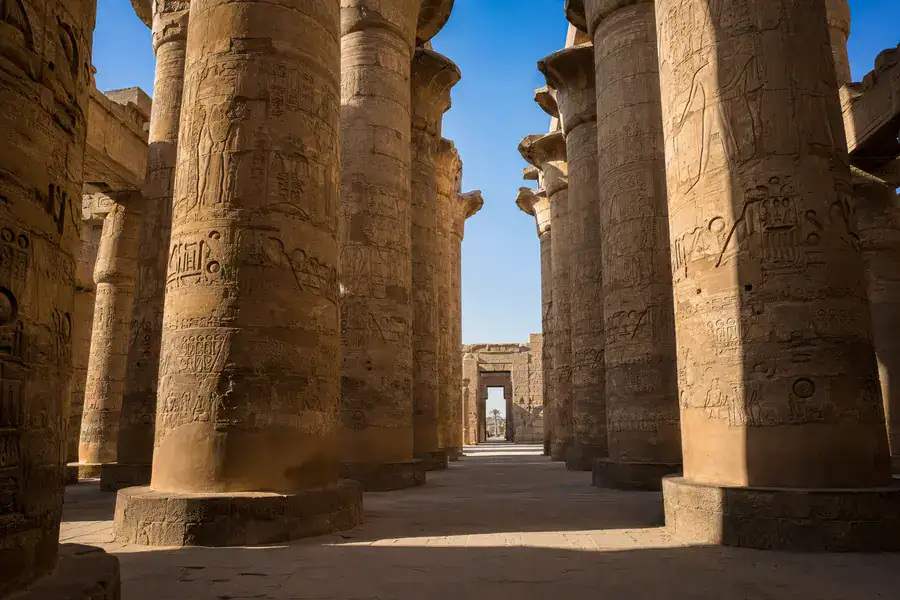
Karnak Temple in Ancient Egypt
First, enter the immense sanctuary of Amun-Ra and walk among the Great Hypostyle Hall’s monumental columns.
Explore Karnak Temple →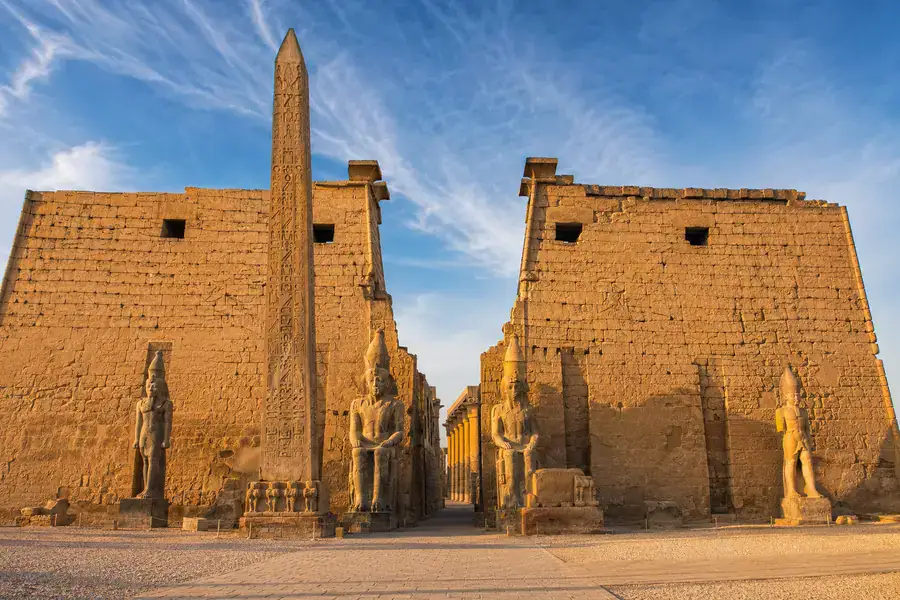
Luxor Temple in Ancient Egypt
Next, discover a royal ceremonial temple linked to Karnak by the restored Avenue of Sphinxes.
Visit Luxor Temple →Ancient Egyptian Temples on Luxor West Bank
Meanwhile, cross the Nile to explore royal mortuary temples built beside the Theban hills and ancient necropolis.
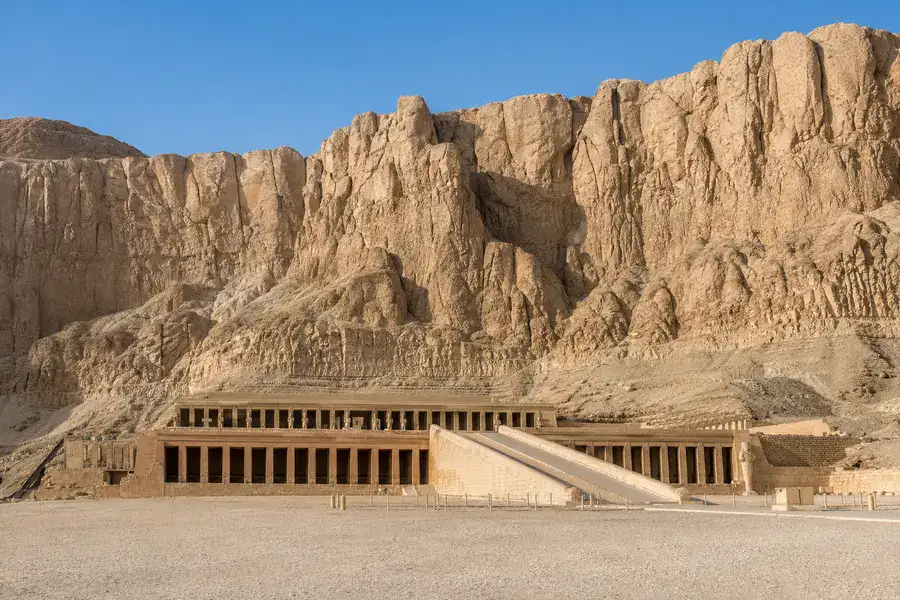
Hatshepsut Temple
Moreover, climb elegant terraces that merge one of Egypt’s boldest royal monuments with the surrounding cliffs.
Discover Hatshepsut Temple →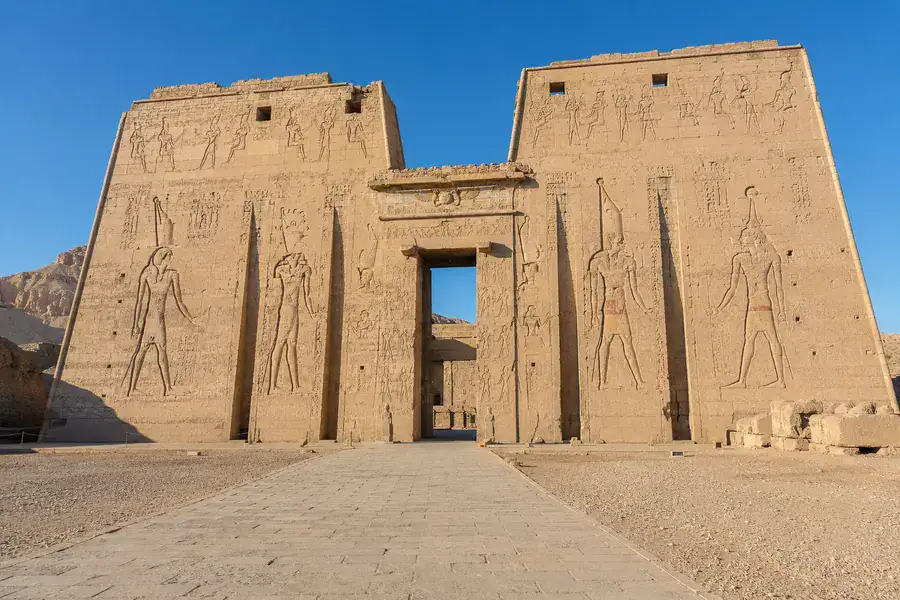
Medinet Habu
Furthermore, walk through Ramesses III’s exceptionally preserved mortuary temple and discover its powerful battle reliefs.
Explore Medinet Habu Temple →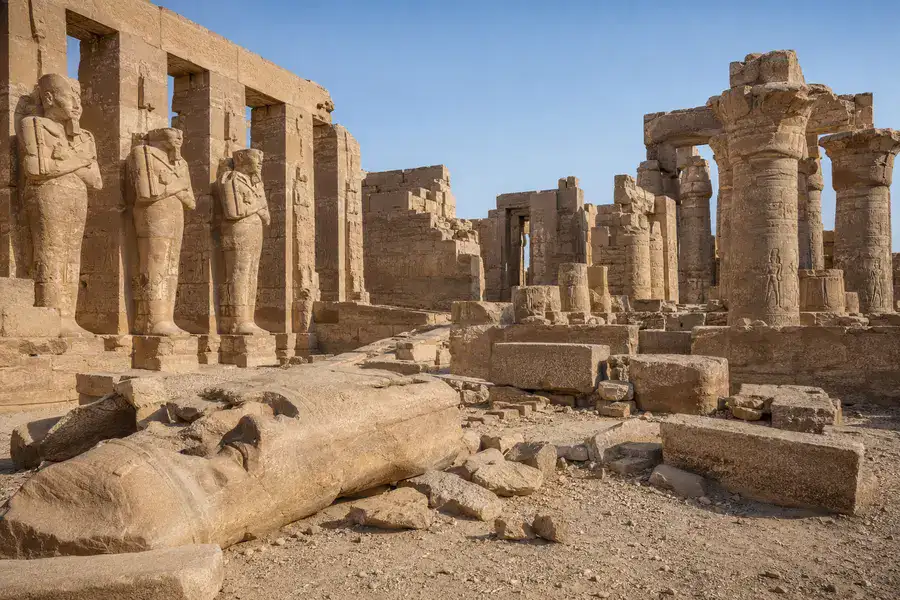
The Ramesseum
In addition, discover Ramesses II’s memorial temple, its Osiride pillars and the fragments of a fallen colossus.
Explore Ramesseum Temple →
Temple of Seti I
Likewise, discover Seti I’s memorial temple at Qurna, which Ramesses II later completed within western Thebes.
Explore Temple of Seti I →Ancient Egyptian Temples Along the Nile Valley
Next, travel south through the Nile Valley, where Esna, Edfu and Kom Ombo preserve remarkable religious architecture.
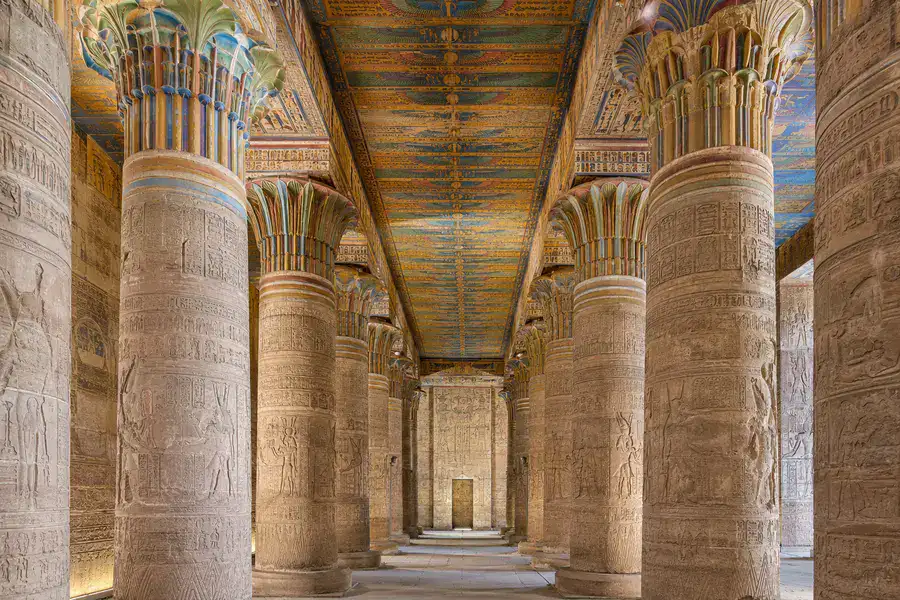
Esna Temple
Meanwhile, look up at a brilliantly restored painted ceiling supported by richly decorated columns.
Open Esna Temple Guide →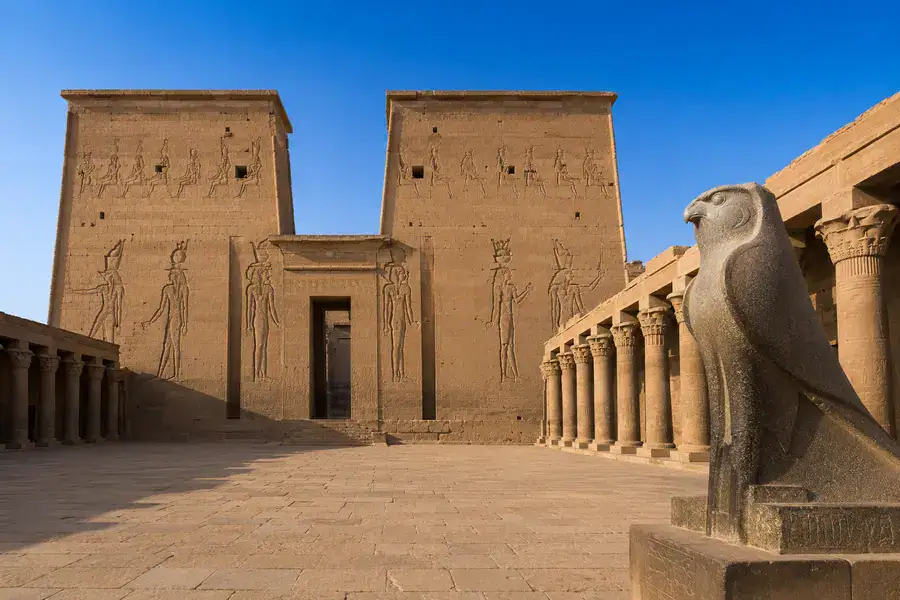
Edfu Temple of Horus in Ancient Egypt
Then, explore one of Egypt’s best-preserved temples and enter the ritual world of the falcon god Horus.
Read the Edfu Temple Guide →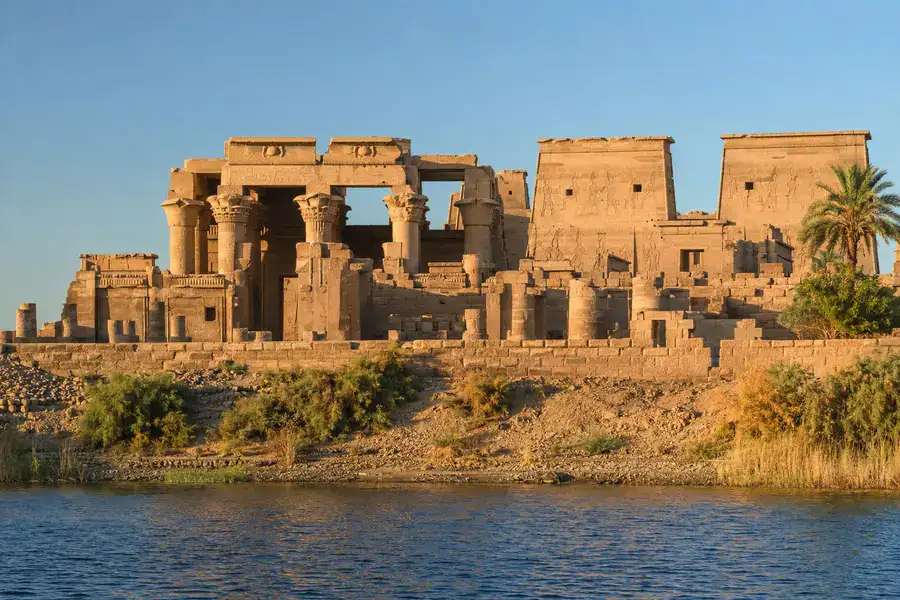
Kom Ombo Temple
By contrast, visit an unusual double temple dedicated to Sobek and Horus the Elder beside the Nile.
Explore Kom Ombo Temple →Ancient Egyptian Temples in Aswan and Nubia
Farther south, Aswan and Nubia reveal sacred monuments surrounded by islands, desert landscapes and Lake Nasser.
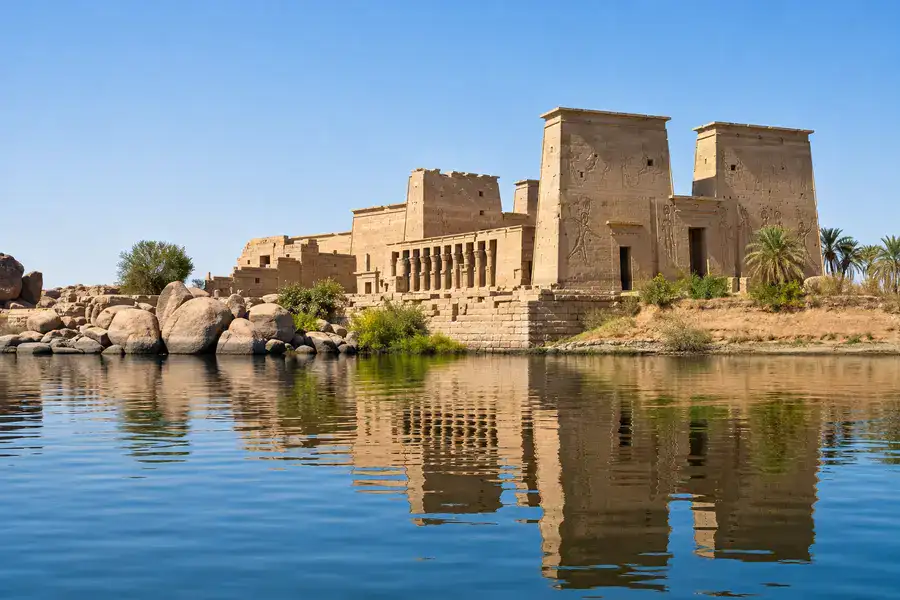
Philae Temple of Isis in Ancient Egypt
Moreover, cross the water to the sanctuary of Isis, which was saved and rebuilt during a major UNESCO campaign.
Discover Philae Temple →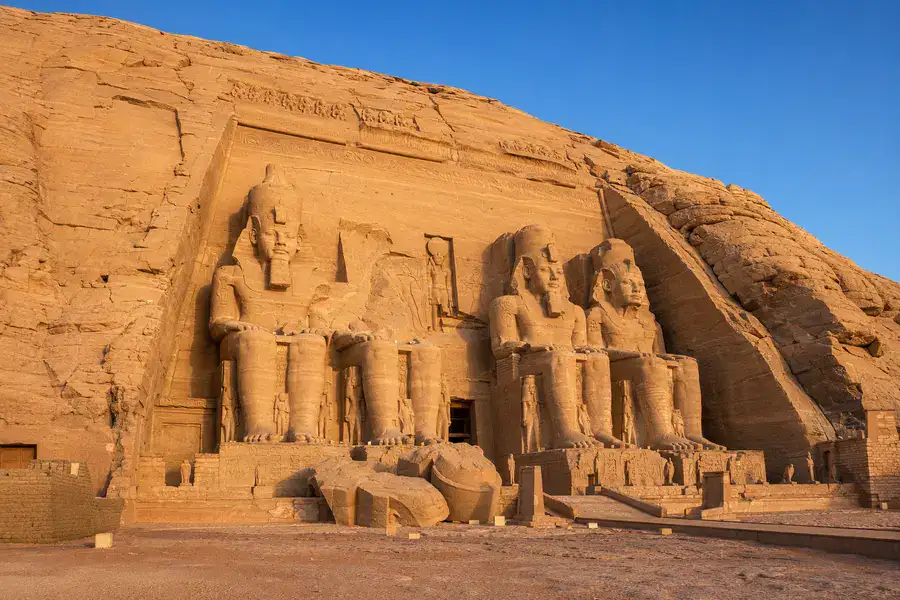
Abu Simbel
Finally, stand before Ramesses II’s colossal rock-cut masterpiece near Egypt’s southern frontier.
View Abu Simbel Guide →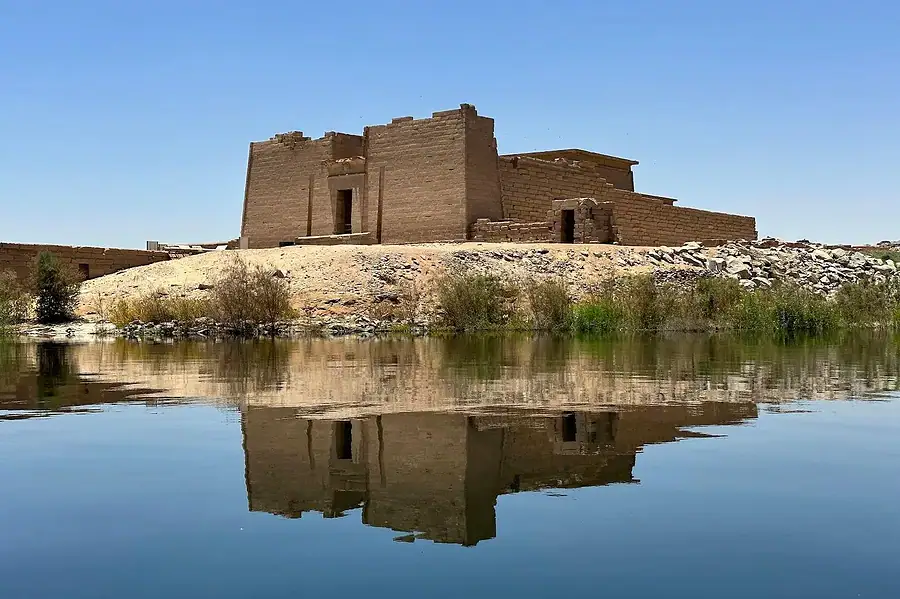
Kalabsha Temple in Aswan
Next, discover the Roman-period sanctuary of Mandulis, rescued from Lake Nasser and rebuilt near the Aswan High Dam.
Explore Kalabsha Temple →Dendera and Abydos Ancient Egyptian Temples
Finally, travel north of Luxor to explore Dendera and Abydos, two of Egypt’s most important sacred centers.
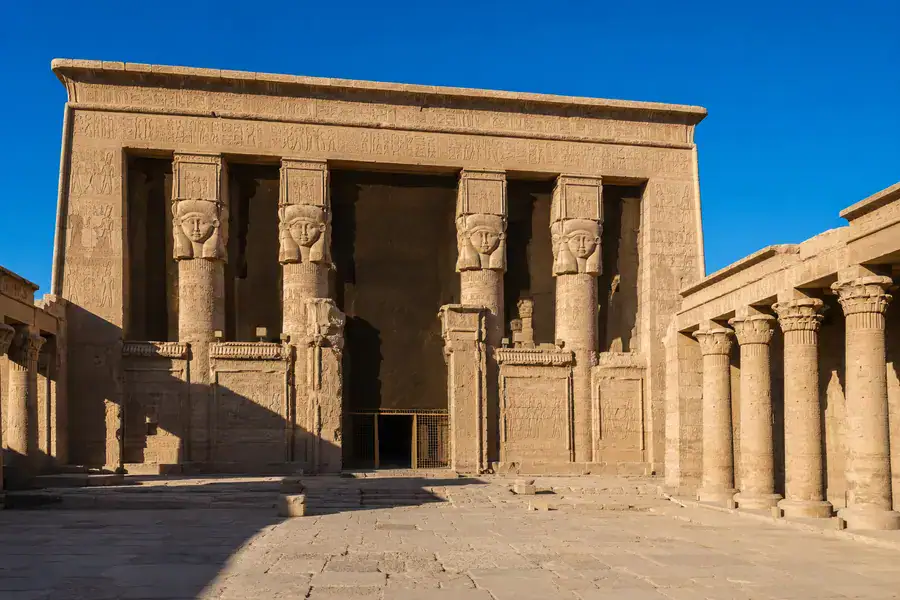
Dendera Temple
In addition, enter Hathor’s remarkably preserved sanctuary, famous for its celestial ceiling and monumental capitals.
Explore Dendera Temple →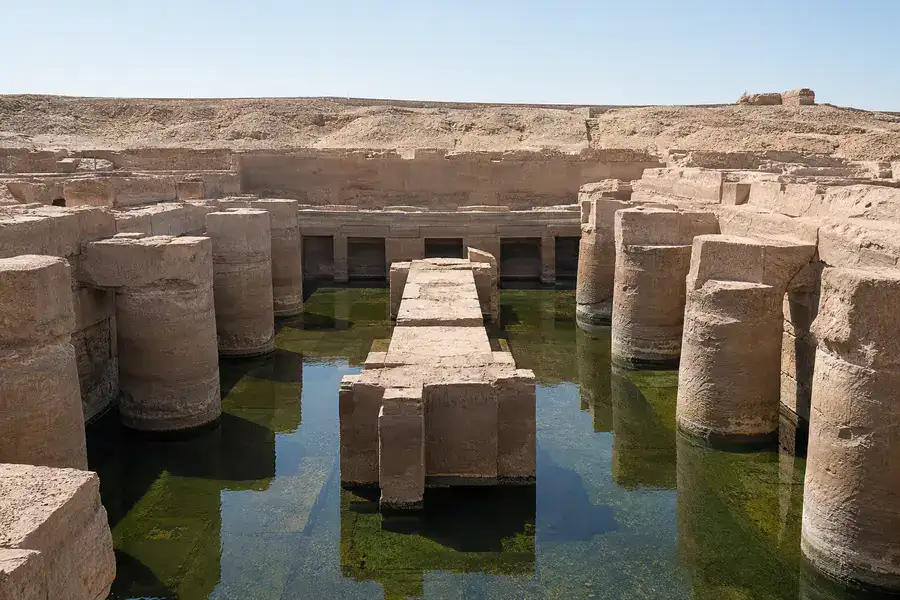
Abydos & Seti I
Finally, explore Seti I’s great temple, the Abydos King List, the Osireion and the ancient cult center of Osiris.
Discover Abydos Temple →How Ancient Egyptian Temple Architecture Revealed the Sacred
Temple Pylon in Ancient Egypt
First, the gateway marked the horizon and separated everyday space from the god’s domain.
Open Court of an Egyptian Temple
Next, sunlit courts received ceremonies and, at selected times, a wider group of worshippers.
Hypostyle Hall in Ancient Temple Architecture
Then, dense columns created a symbolic primeval marsh while the route became darker and more restricted.
Sanctuary of an Ancient Egyptian Temple
Finally, priests reached the secluded chamber that held the deity’s cult image or sacred barque.
Planning Your Ancient Egyptian Temples Journey
Best Routes and Timing for Ancient Egyptian Temples
Although several monuments sit along Nile cruise routes, Luxor alone deserves at least two full days. Meanwhile, Philae and Abu Simbel work best from Aswan. In addition, starting early helps you avoid the strongest heat and largest crowds. Moreover, carrying water and wearing comfortable shoes makes longer visits easier. Finally, use an Egyptologist guide whenever possible, because inscriptions transform impressive ruins into connected historical stories.
When to Visit Ancient Egyptian Temples
First, October to April generally offers the most comfortable temperatures for sightseeing. However, early morning remains useful throughout much of the year. Moreover, softer morning light is particularly attractive for photography. Therefore, arriving soon after opening can improve both comfort and the overall experience.
How to Prepare for Temple Visits
In addition, bring drinking water and protect yourself from the sun. Likewise, supportive shoes make walking across uneven archaeological ground more comfortable. Furthermore, modest and breathable clothing works well in Egypt’s warm climate. As a result, simple preparation can make long temple visits much more enjoyable.
Visitor Rules and Official Information
Because opening hours, access rules and photography policies can change, check the official Egyptian Ministry of Tourism and Antiquities monument portal before you travel.
Ancient Egyptian Temples FAQ
Which Egyptian Temple Should I Visit First?
For a first visit, Karnak offers the grandest introduction. However, Edfu presents one of the clearest surviving temple plans. Therefore, visiting both gives travelers a broader understanding of ancient Egyptian temple architecture.
Can I Visit the Major Temples on One Trip?
Yes. For example, a Luxor-to-Aswan itinerary can include Karnak, Luxor, Esna, Edfu, Kom Ombo and Philae. In addition, Abu Simbel can be included as a separate excursion from Aswan. Therefore, many of Egypt’s most important temples can be combined in one journey.
Are All Ancient Egyptian Temples From the Same Period?
No. Instead, their building histories extend across different periods, from the New Kingdom through the Ptolemaic and Roman eras. Consequently, visitors can see how religious architecture developed over many centuries.
Do I Need a Guide to Visit Egyptian Temples?
You can enter independently. Nevertheless, a qualified Egyptologist adds valuable historical and symbolic context. In addition, a guide can help you notice inscriptions, ritual scenes and architectural details that are easy to miss. As a result, the visit usually becomes much easier to understand.
Plan Your Ancient Egyptian Temples Journey
Tell Yalla Egypt Travel which temples inspire you. Then, we will connect them in a comfortable private itinerary that follows the Nile at your preferred pace.