
Philae
Temple
Today, discover the island sanctuary of Isis, where Ptolemaic pylons, Roman monuments and one of archaeology’s greatest rescue projects rise from the waters near Aswan.
Philae Temple: Faith, Art and Survival
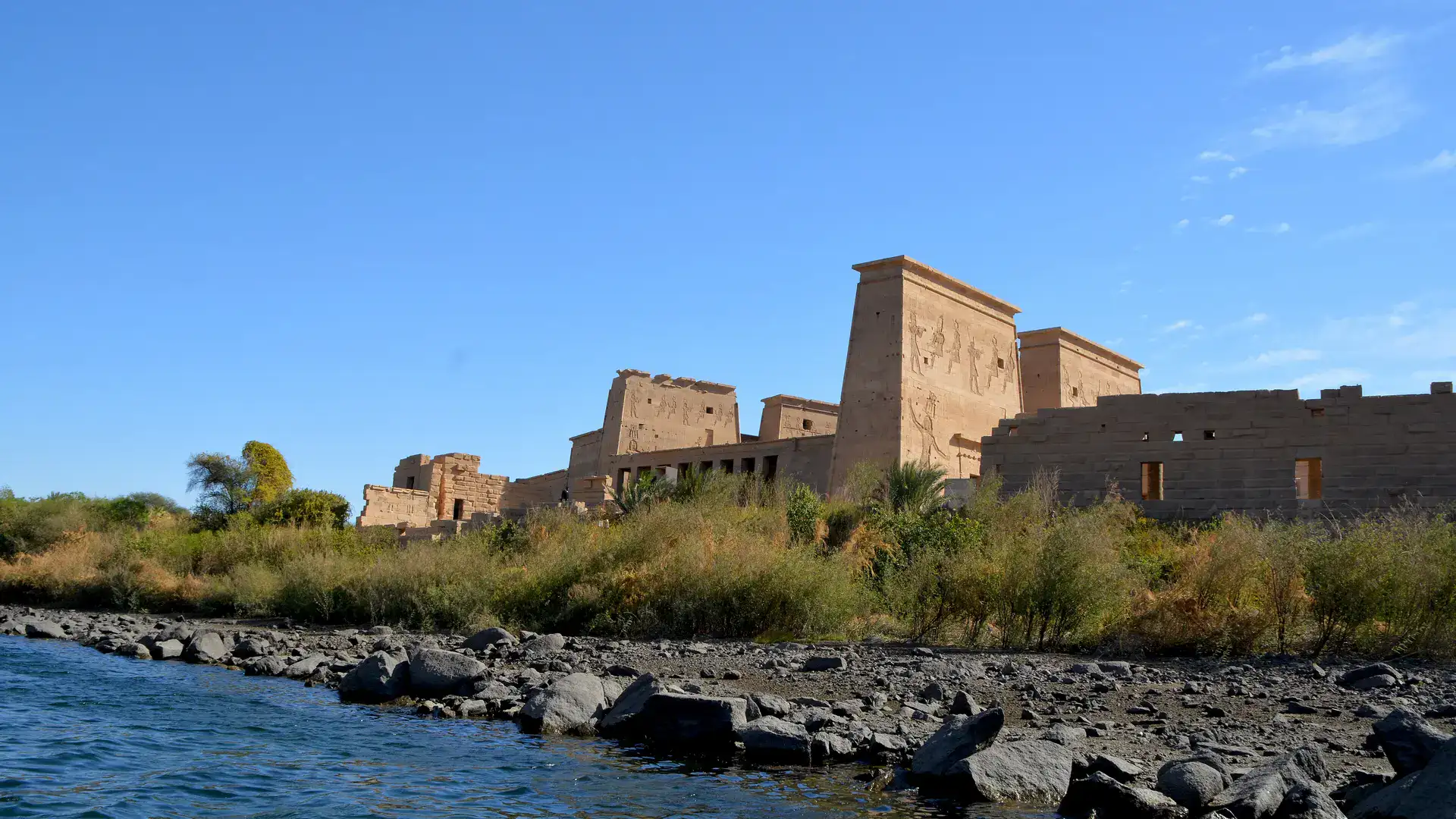
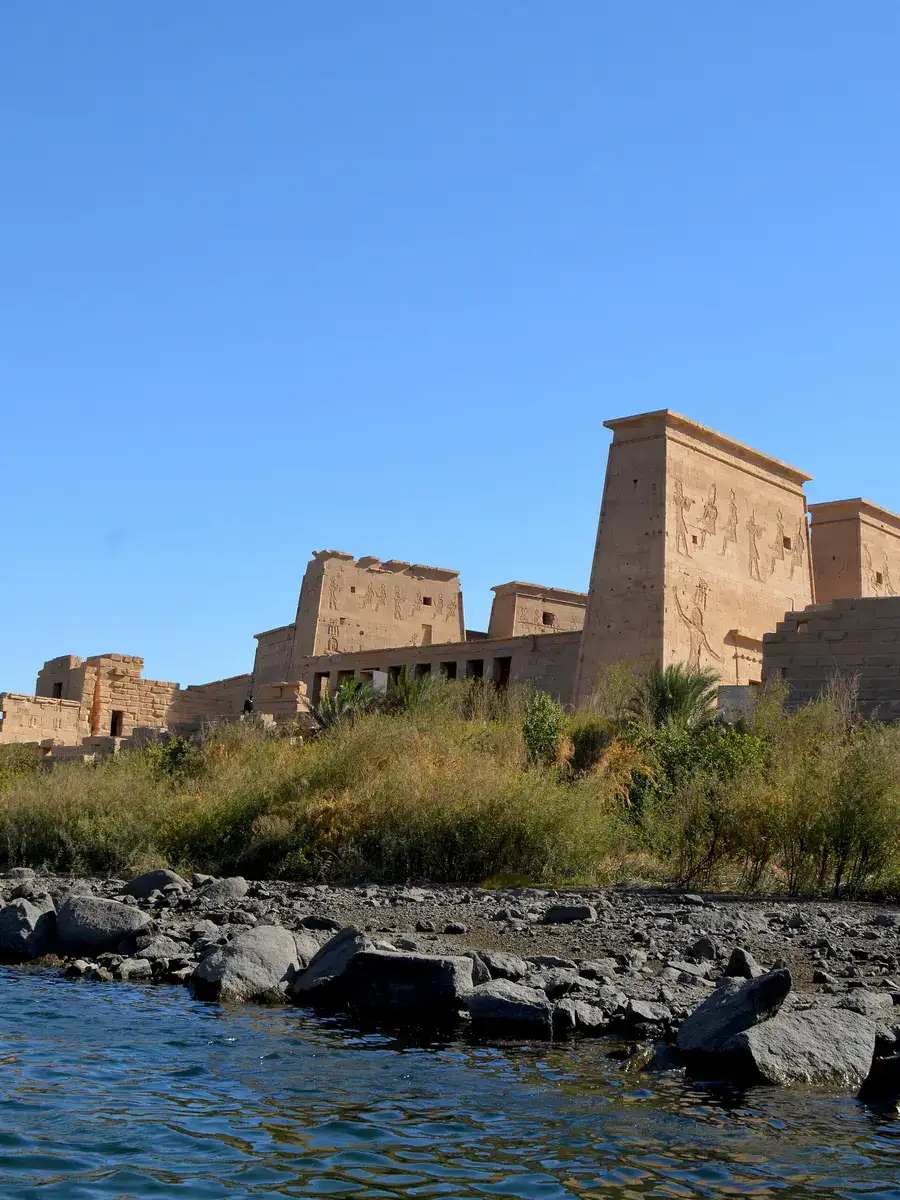
Philae Temple is the celebrated sanctuary of Isis near Aswan. Although the monuments originally stood on Philae Island, visitors now explore them on nearby Agilkia Island, where an international rescue campaign rebuilt the complex above the water.
Nectanebo I of the 30th Dynasty created the earliest surviving monumental structure in the fourth century BCE. Afterwards, Ptolemaic kings transformed the island into a major pilgrimage centre, while Roman emperors continued to honour Isis in traditional Egyptian style.
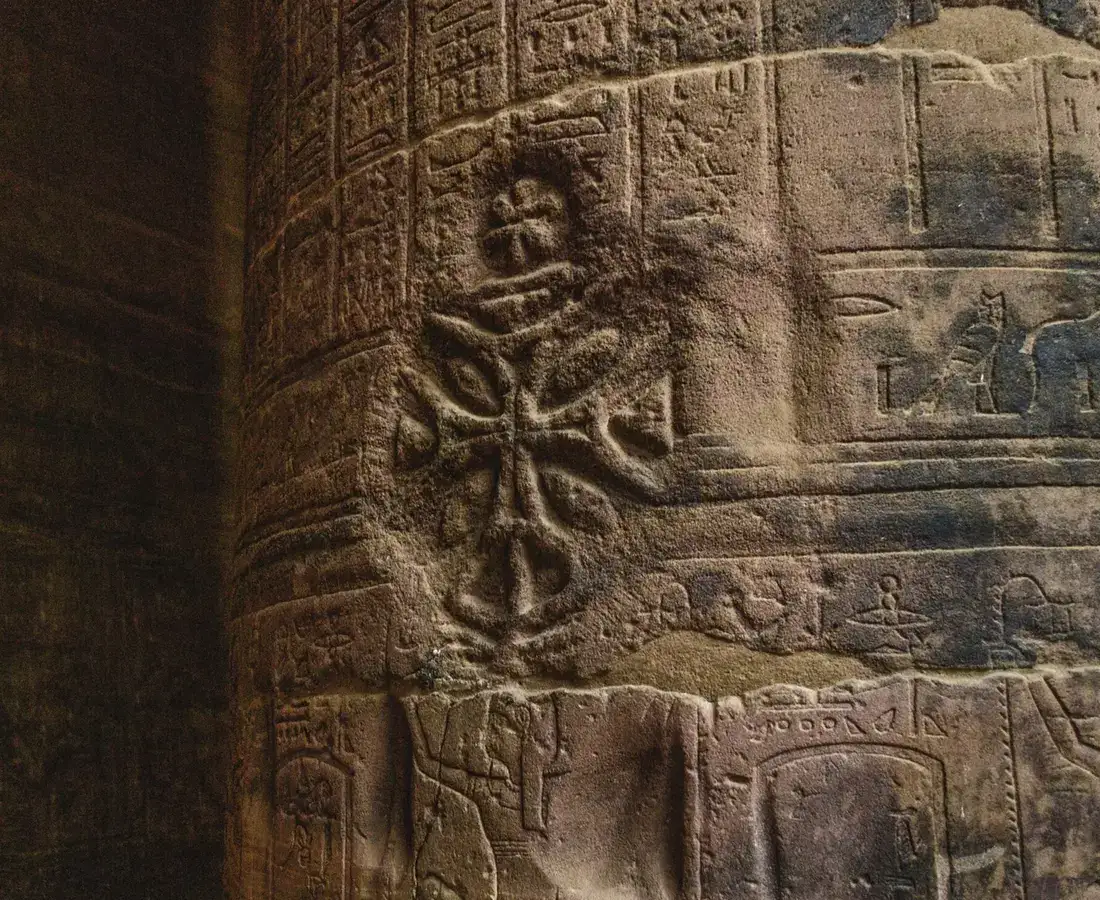
Moreover, Philae preserves an unusually long religious history. Worshippers celebrated Isis here for centuries; later, Christians adapted parts of the complex as churches. As a result, hieroglyphs, Coptic crosses and Greek inscriptions share the same walls.
The First Pylon and the Processional Approach
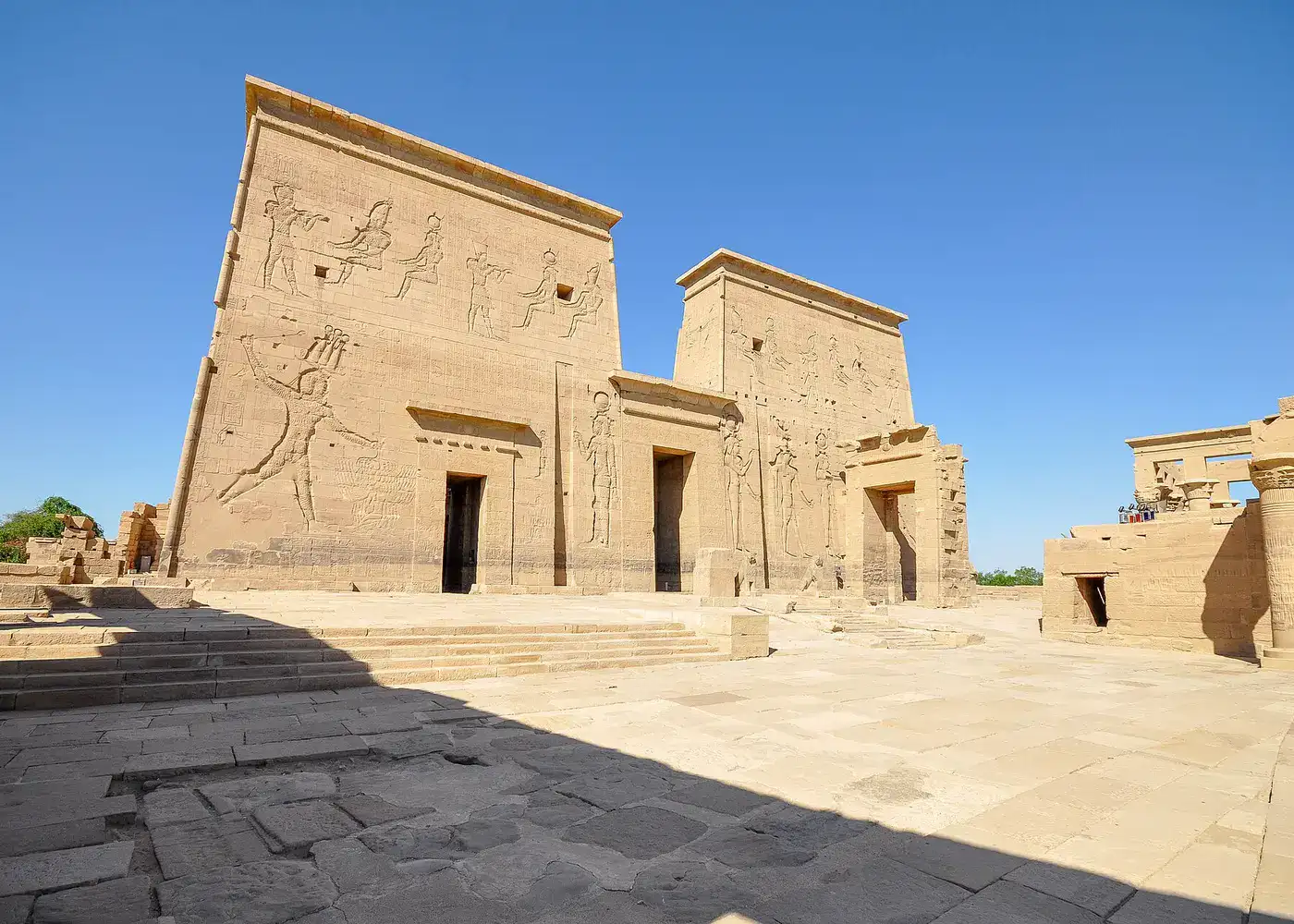
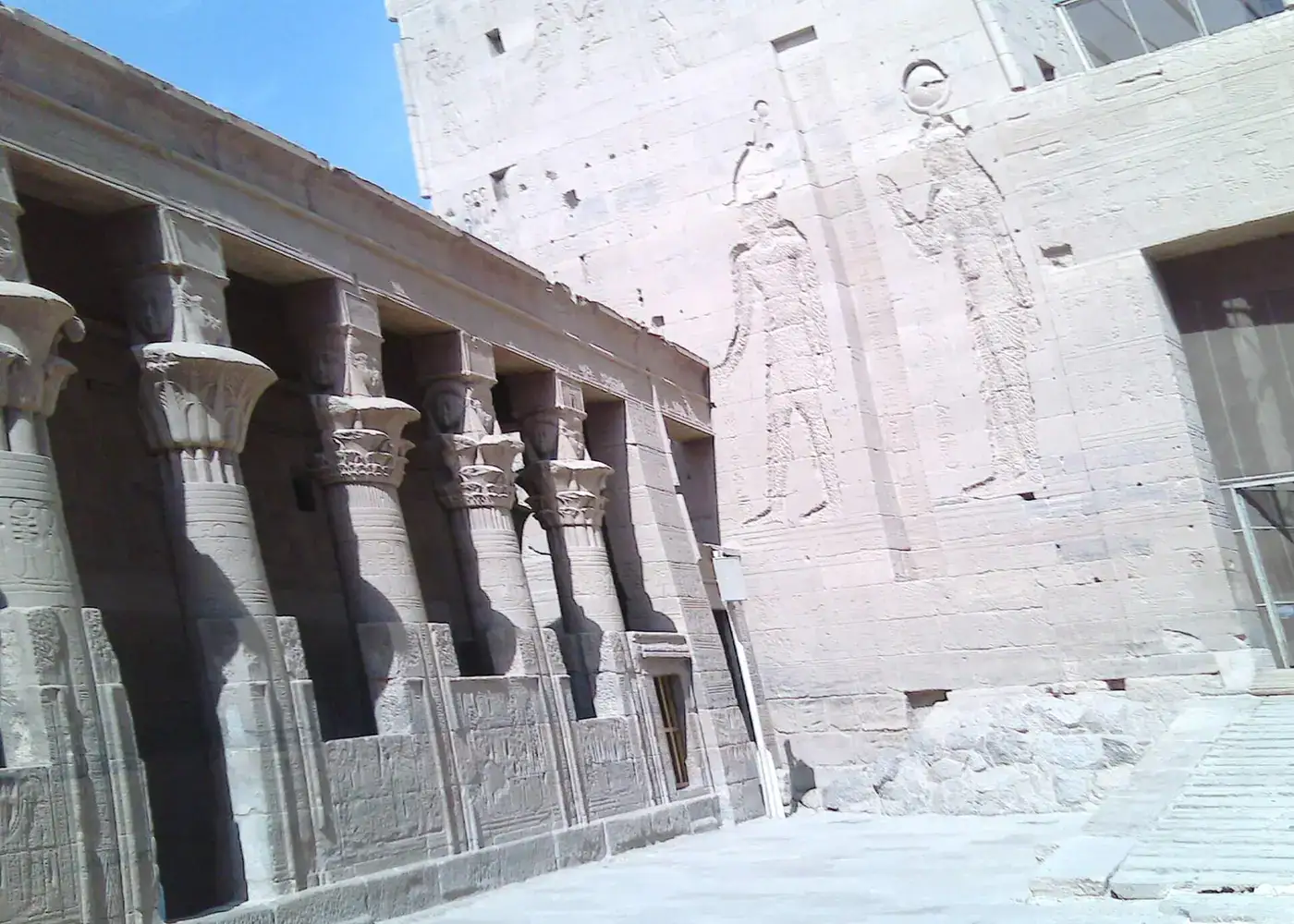
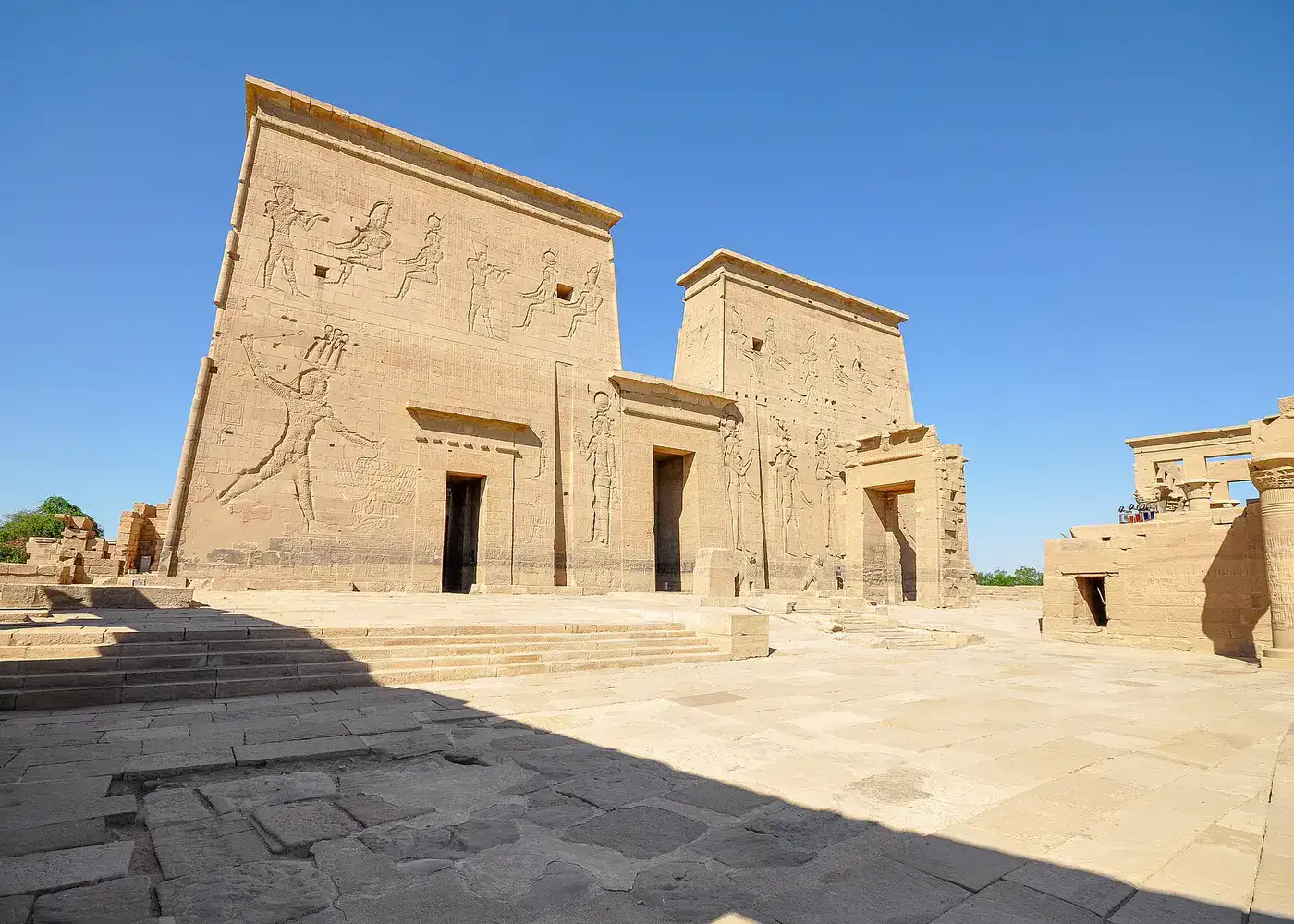
The immense first pylon turns arrival into theatre. For example, its reliefs present Ptolemy XII defeating enemies before the gods, while the gateway leads toward the forecourt, birth house and increasingly sacred halls.
From Nectanebo I to the Roman Emperors
Nectanebo I built the earliest surviving kiosk around 380–362 BCE. However, most of the great Temple of Isis took shape under the Ptolemies, especially Ptolemy II, Ptolemy III, Ptolemy VIII and Ptolemy XII.
Meanwhile, rulers used traditional pharaonic imagery to present themselves as guardians of divine order. Augustus, Tiberius, Hadrian and other Roman emperors also appeared on the walls as Egyptian kings making offerings to Isis and her divine family.
Philae remained active far longer than many Egyptian temples. Indeed, its famous graffito of 394 CE contains the latest securely dated hieroglyphic inscription known from ancient Egypt.
- Earliest surviving structure: Nectanebo I
- Main expansion: Ptolemaic Period
- Latest dated hieroglyphic inscription: 394 CE
Pylons, Colonnades and the Sanctuary of Isis
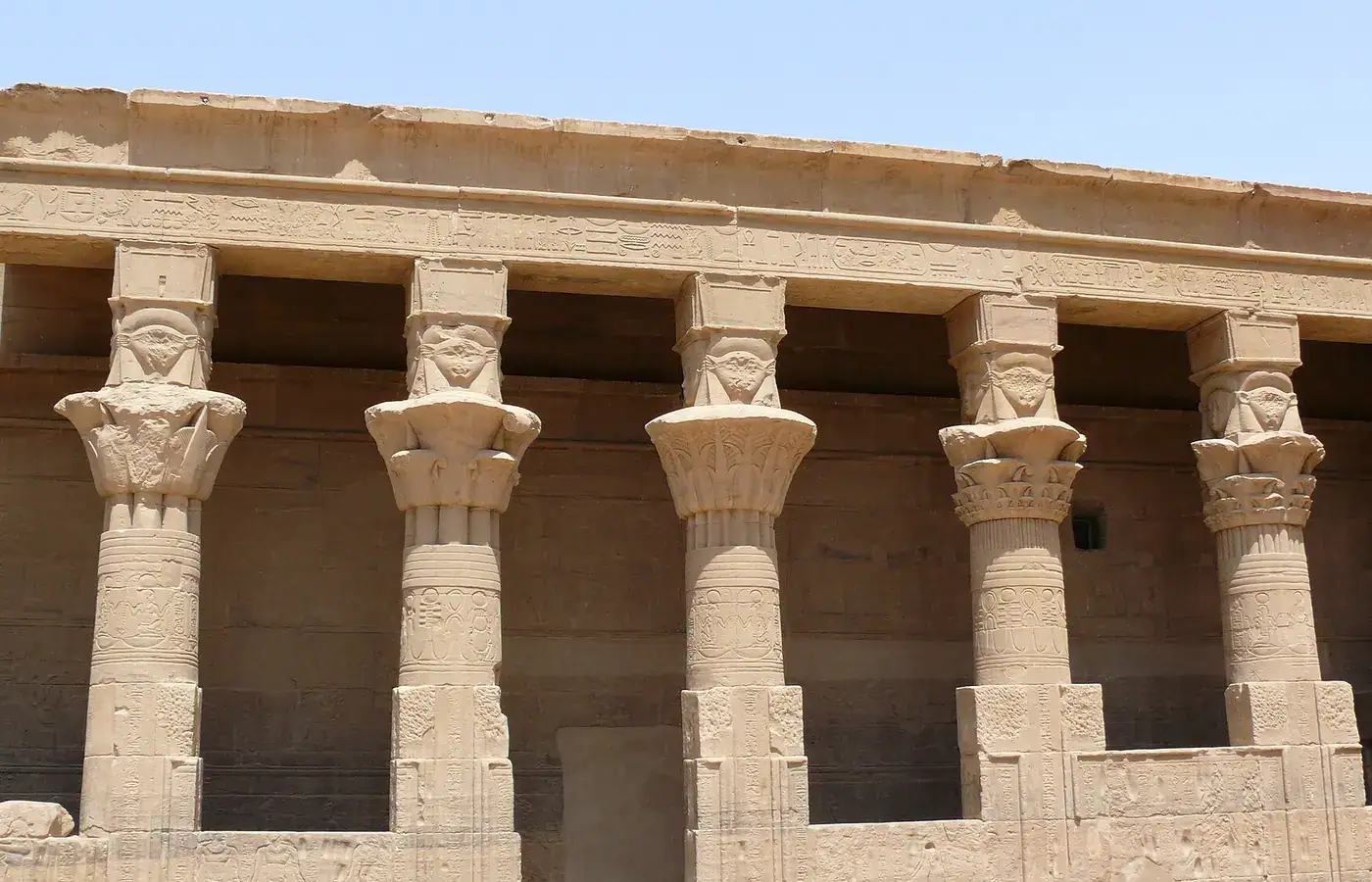
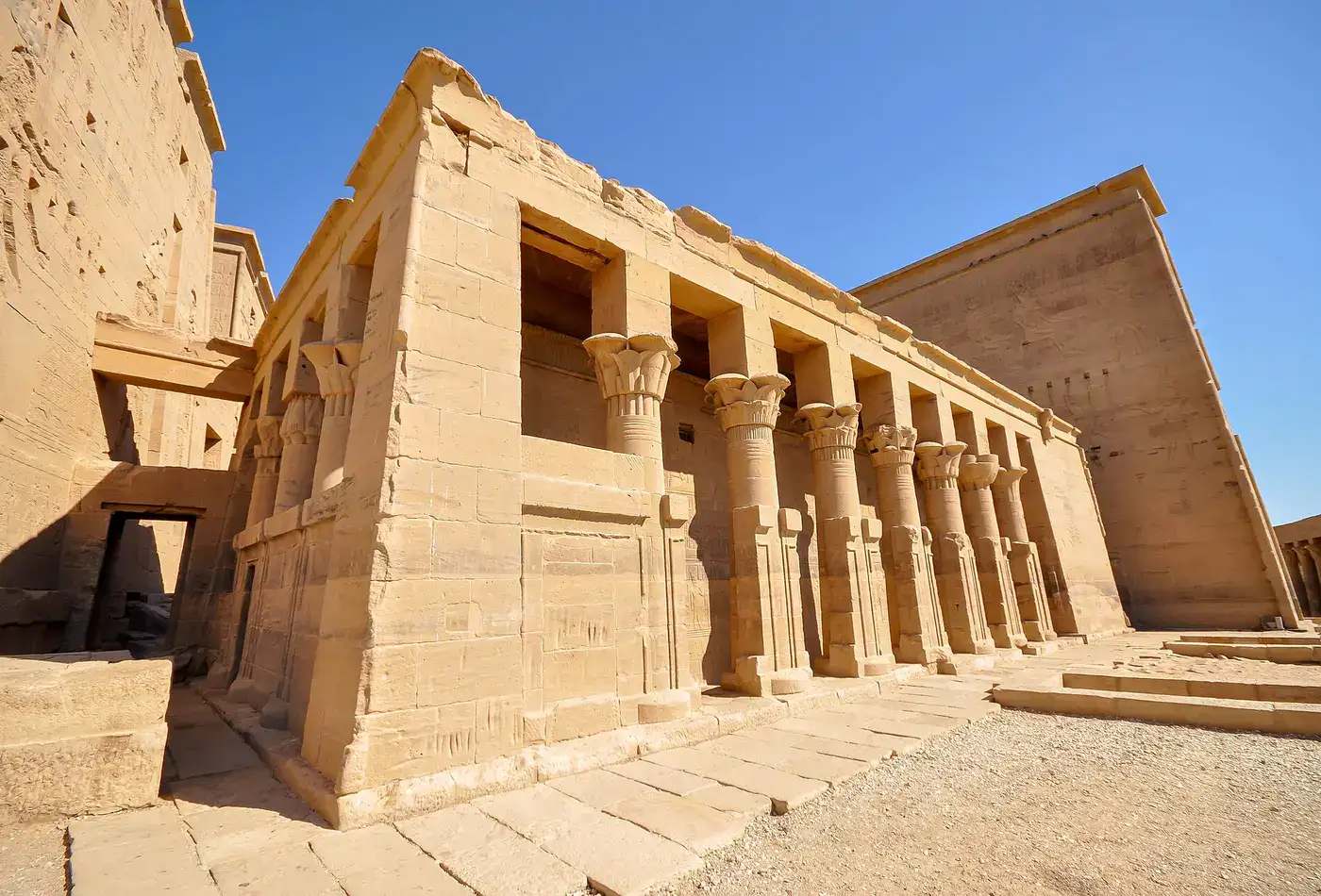
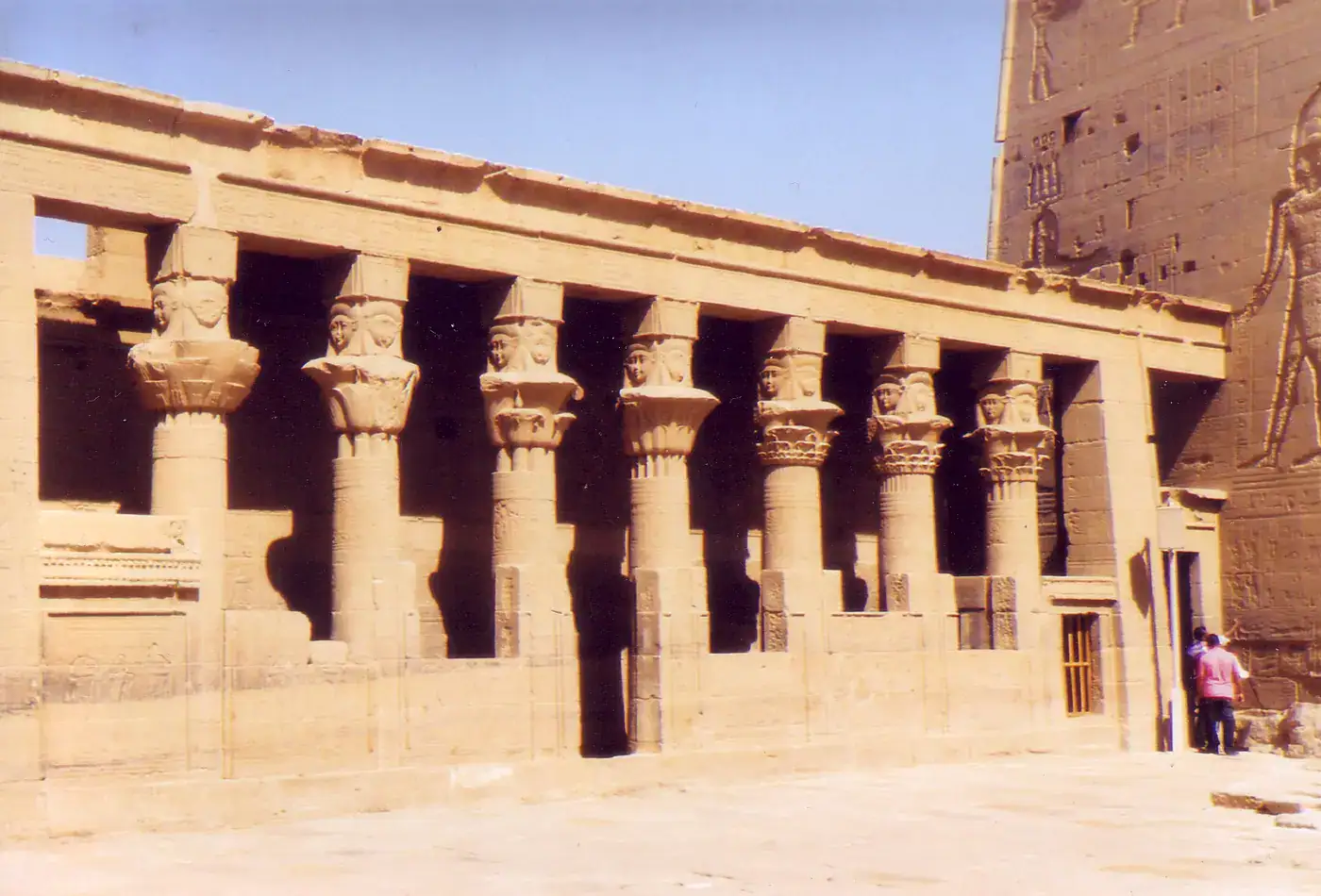
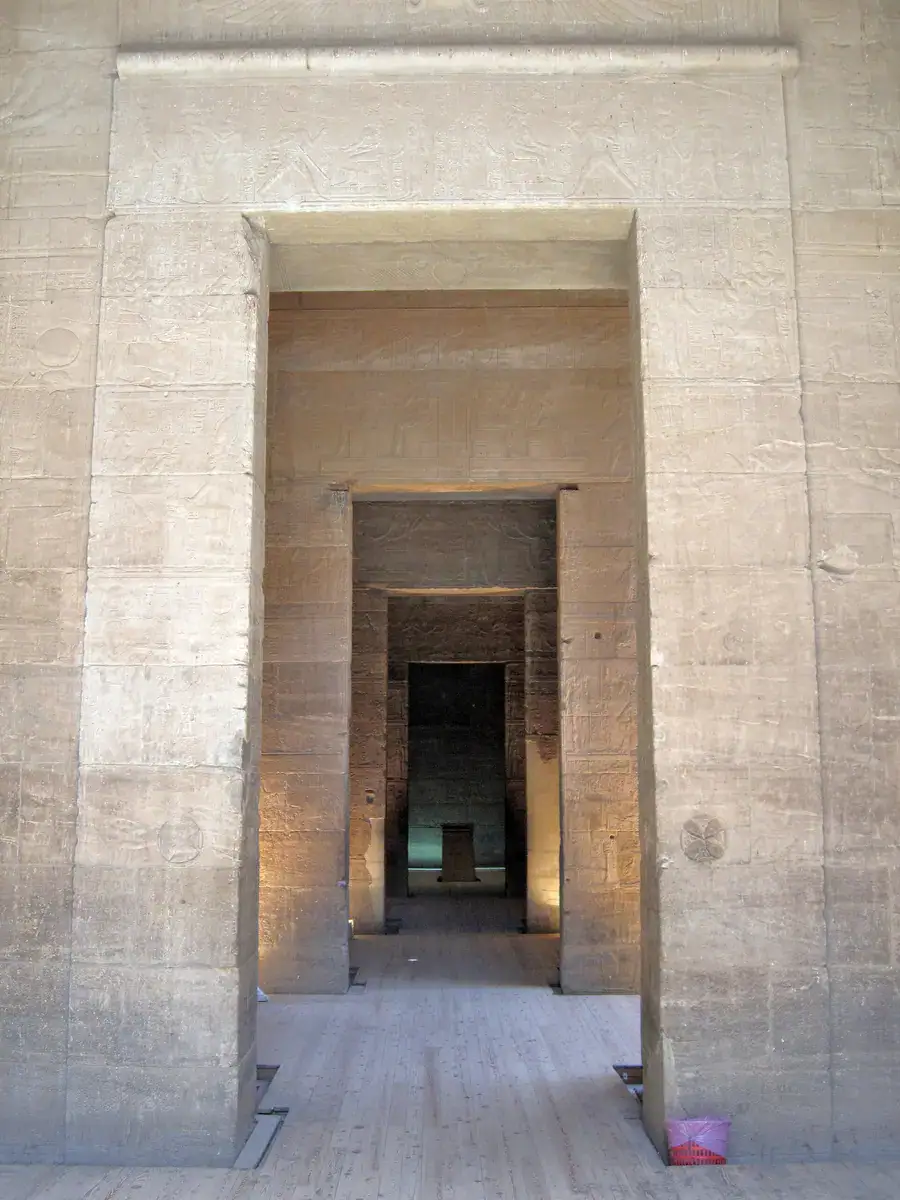
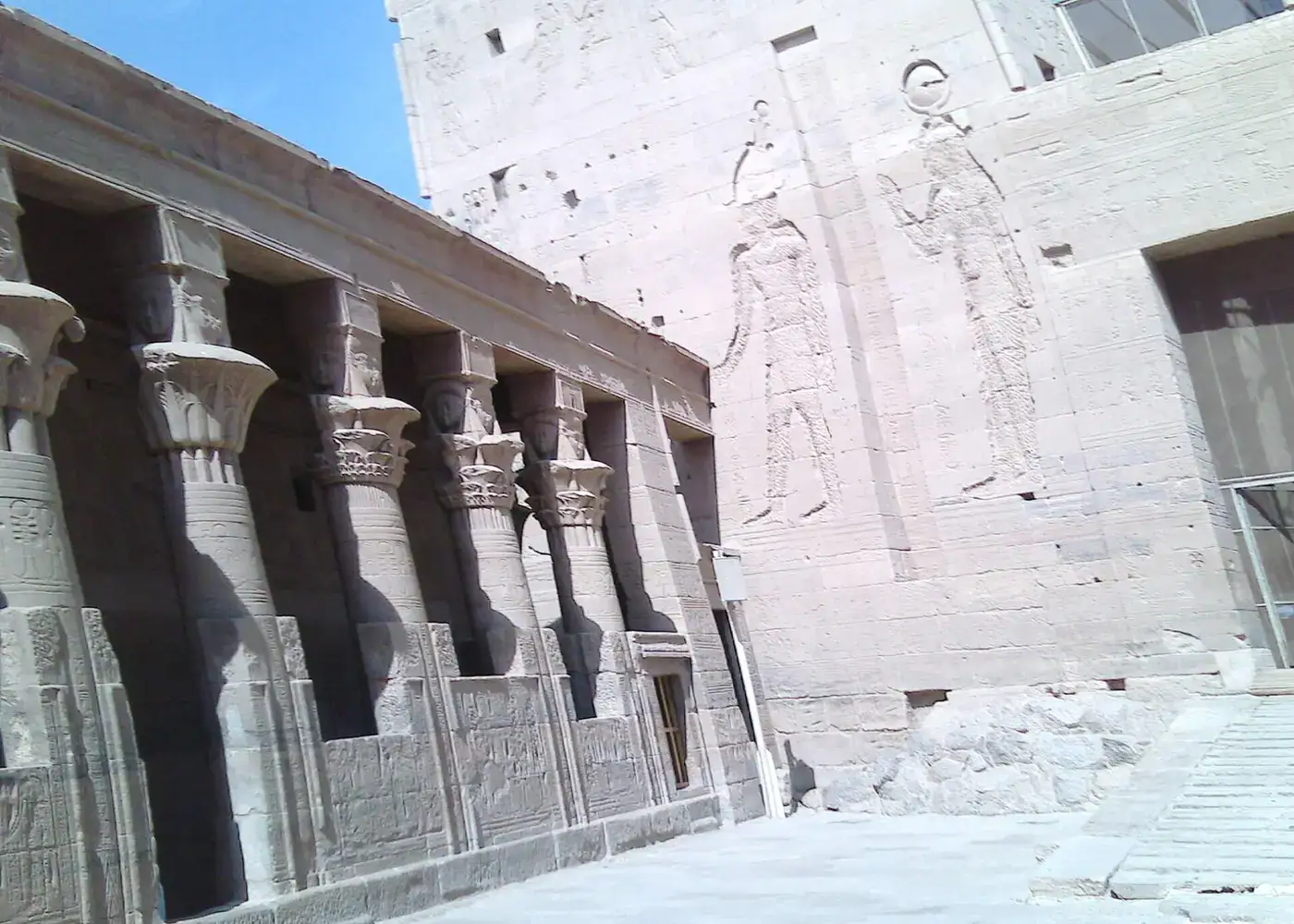
First, visitors follow an irregular colonnaded court toward the first pylon. Beyond it, the mammisi occupies the forecourt, while a second pylon opens into the hypostyle hall and the darker rooms of the main temple.
Then, the sacred route reaches the sanctuary of Isis. Priests once housed the divine image here, performed daily rites and prepared the sacred barque for festival processions around the island.
A Landscape of Temples
In addition to the main sanctuary, the island includes temples and chapels dedicated to Hathor, Imhotep, Arensnuphis and other deities. Therefore, Philae functioned as a religious landscape rather than a single building.
Philae survived because devotion shaped it, empires expanded it and the modern world refused to let the Nile erase it.
Isis, Osiris and the Sacred Island
Above all, Isis stood at the heart of Philae’s religious world. As wife of Osiris, mother of Horus and a goddess of protection, healing and royal legitimacy, she inspired devotion far beyond Egypt.
Furthermore, priests connected Philae with nearby Bigeh Island, which tradition regarded as one of the burial places of Osiris. Consequently, ritual processions linked the sanctuary of Isis with the sacred landscape around it.
As a result, pilgrims travelled from Egypt, Nubia and the wider Mediterranean to seek the goddess’s protection. Through festivals and oracle consultations, the island became one of the ancient world’s most enduring centres of the Isis cult.
How UNESCO Moved Philae Temple
Initially, the first Aswan Dam, completed in 1902, left the old island underwater for part of each year. Visitors once sailed between half-submerged columns, while repeated flooding threatened stonework, pigments and inscriptions.
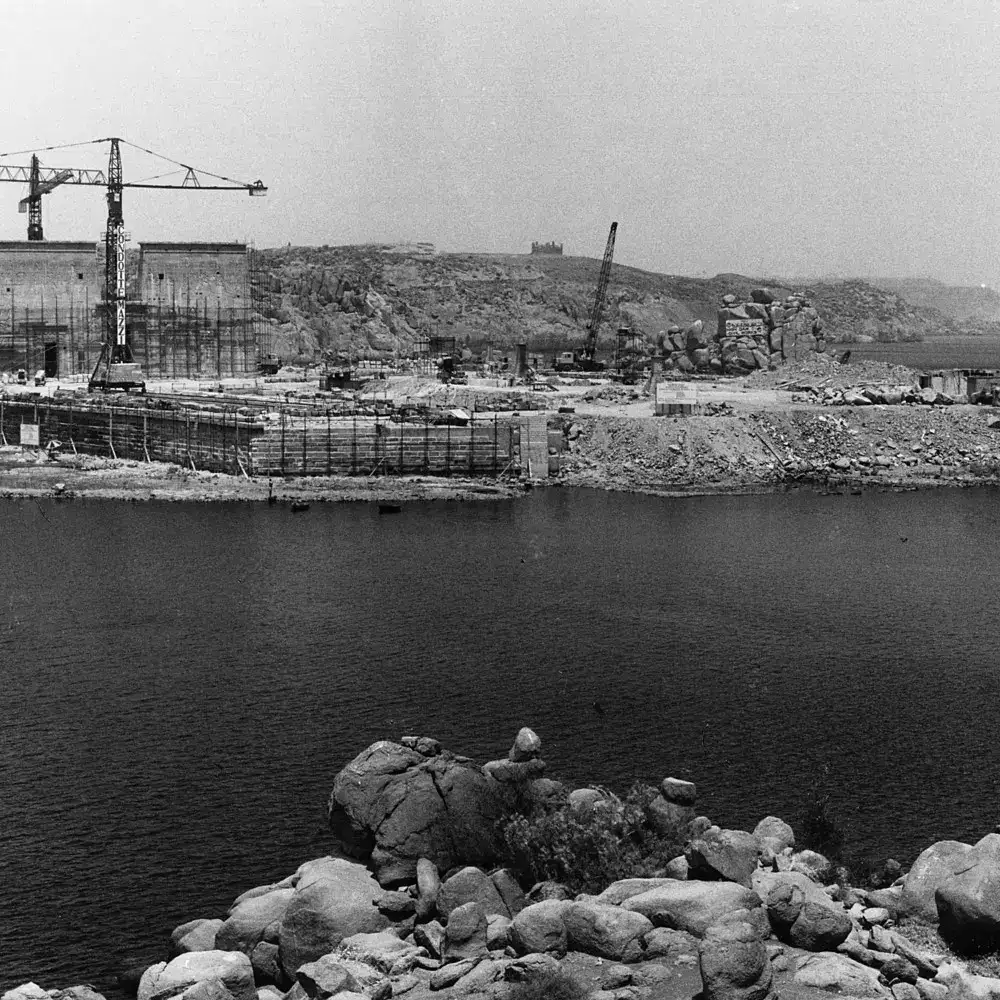
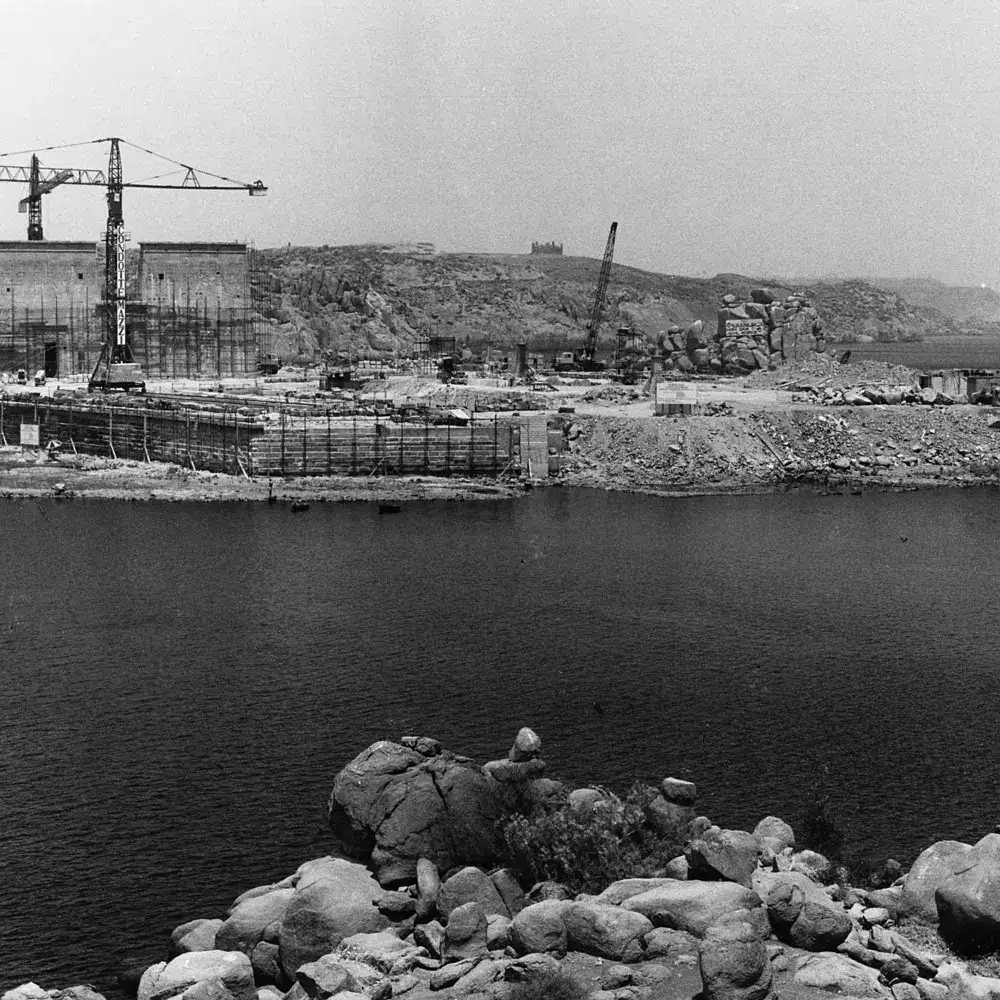
Later, the High Dam project created a greater danger. Therefore, an international UNESCO campaign surrounded Philae with a temporary cofferdam, pumped the site dry and carefully dismantled the monuments.
Teams recorded and moved tens of thousands of stone blocks to higher Agilkia Island. Between 1972 and 1979, they reconstructed the complex in a landscape reshaped to resemble the original island. Finally, the new site opened in 1980.
The Mammisi and the Birth of Horus
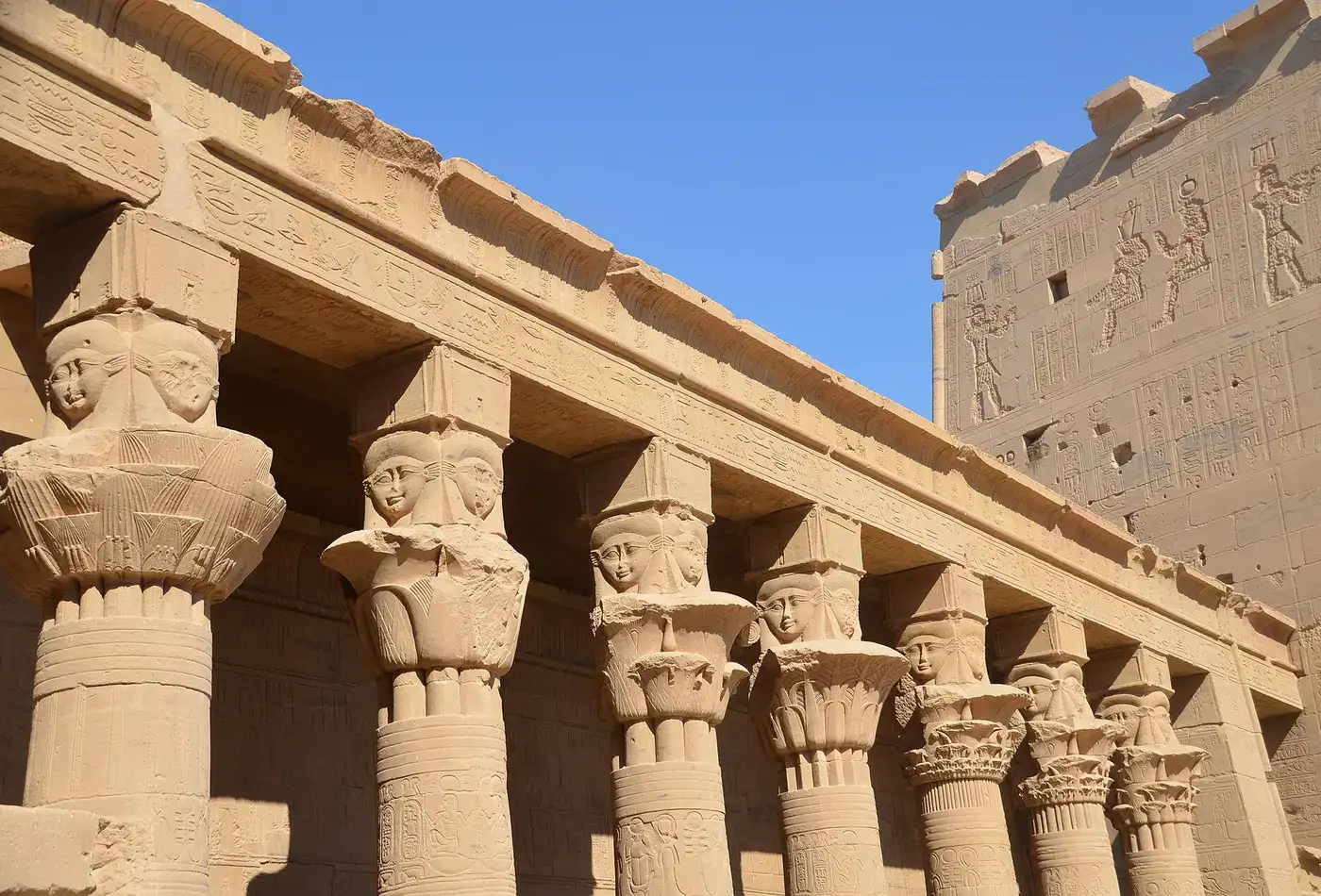
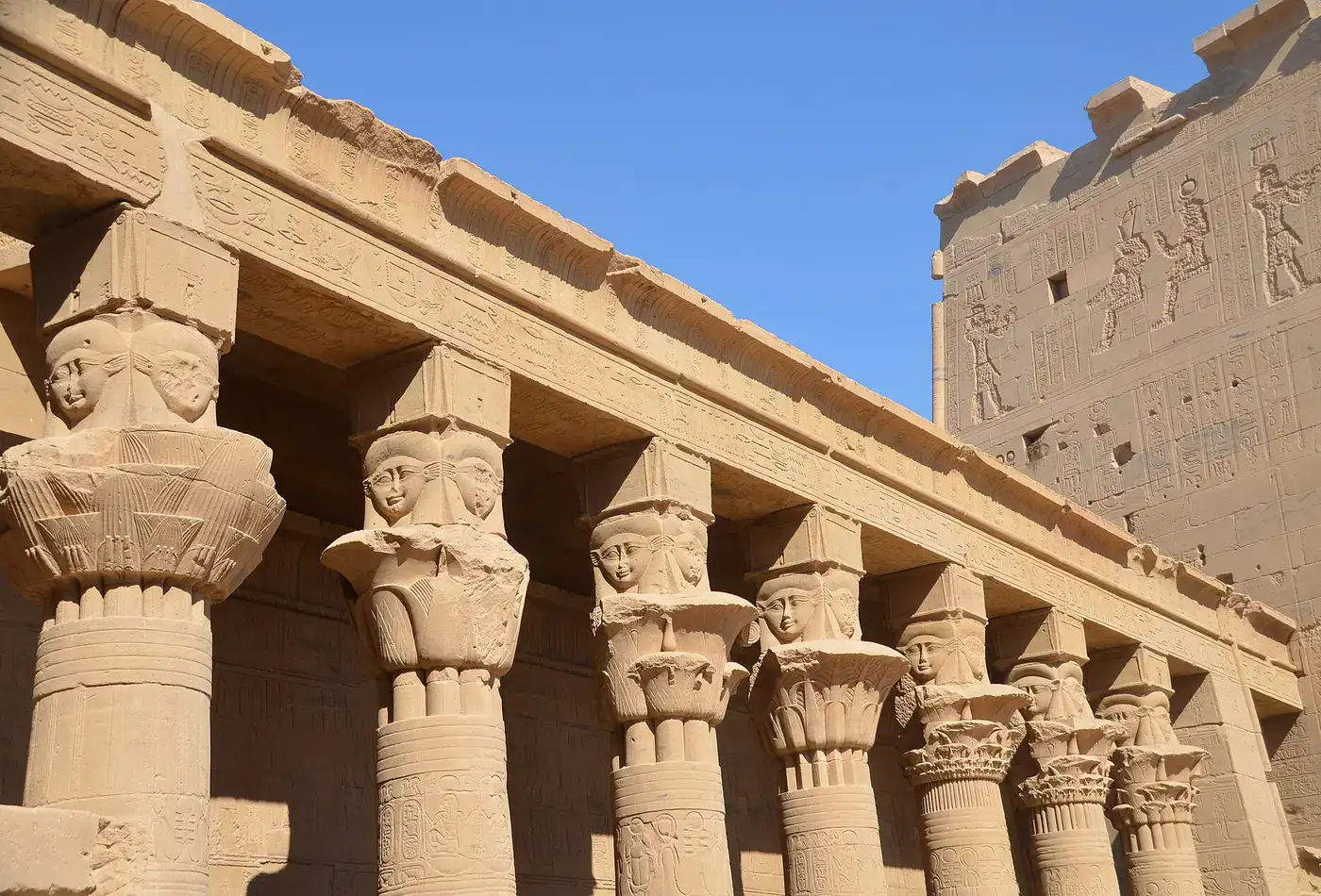
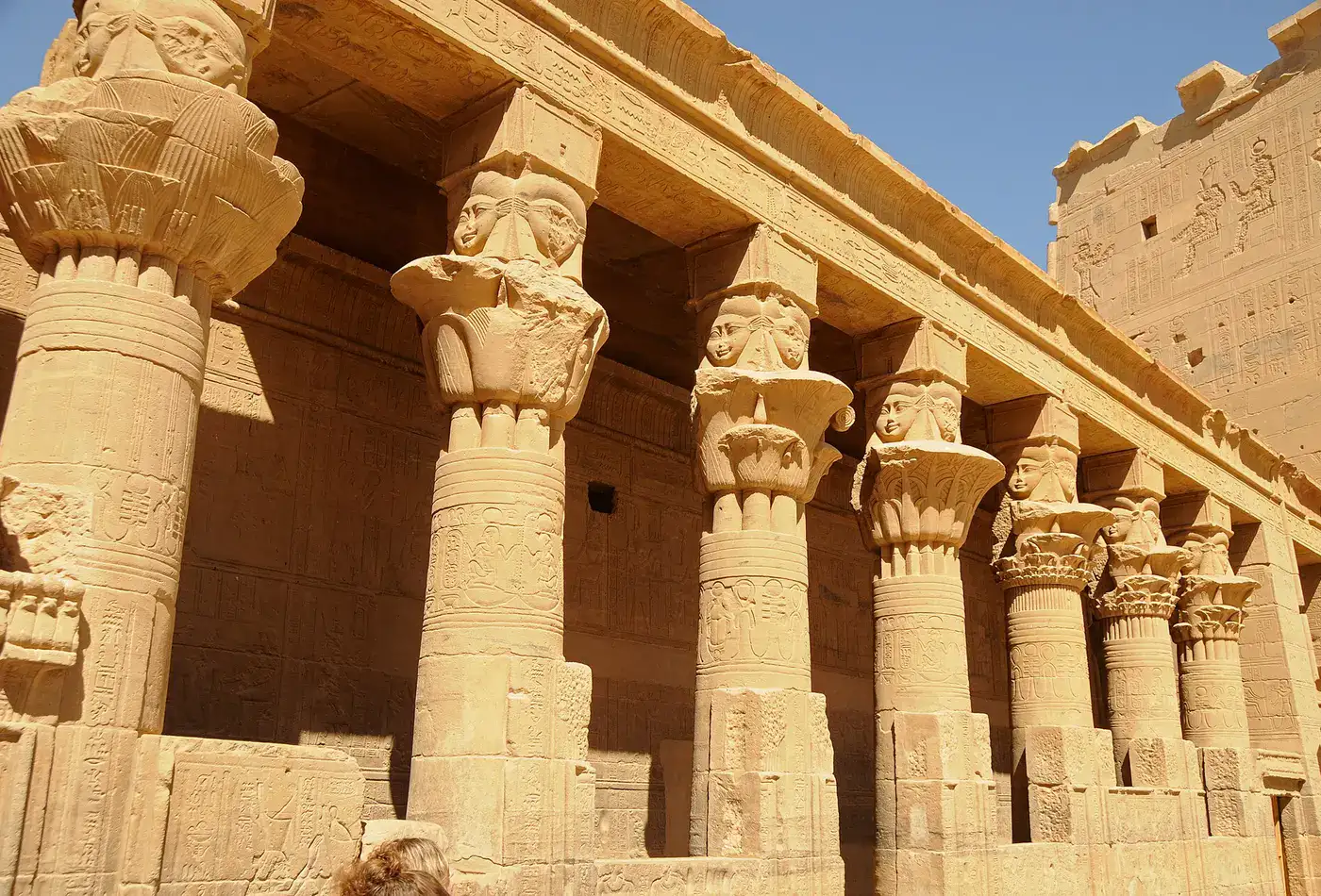
The mammisi, or birth house, stands in the forecourt between the pylons. For example, Ptolemaic rulers decorated it with scenes celebrating the divine birth and childhood of Horus.
Here, the story of Isis protecting and nursing her son reinforced the king’s own legitimacy. Just as Horus inherited the throne of Osiris, each pharaoh presented himself as the rightful heir to Egypt.
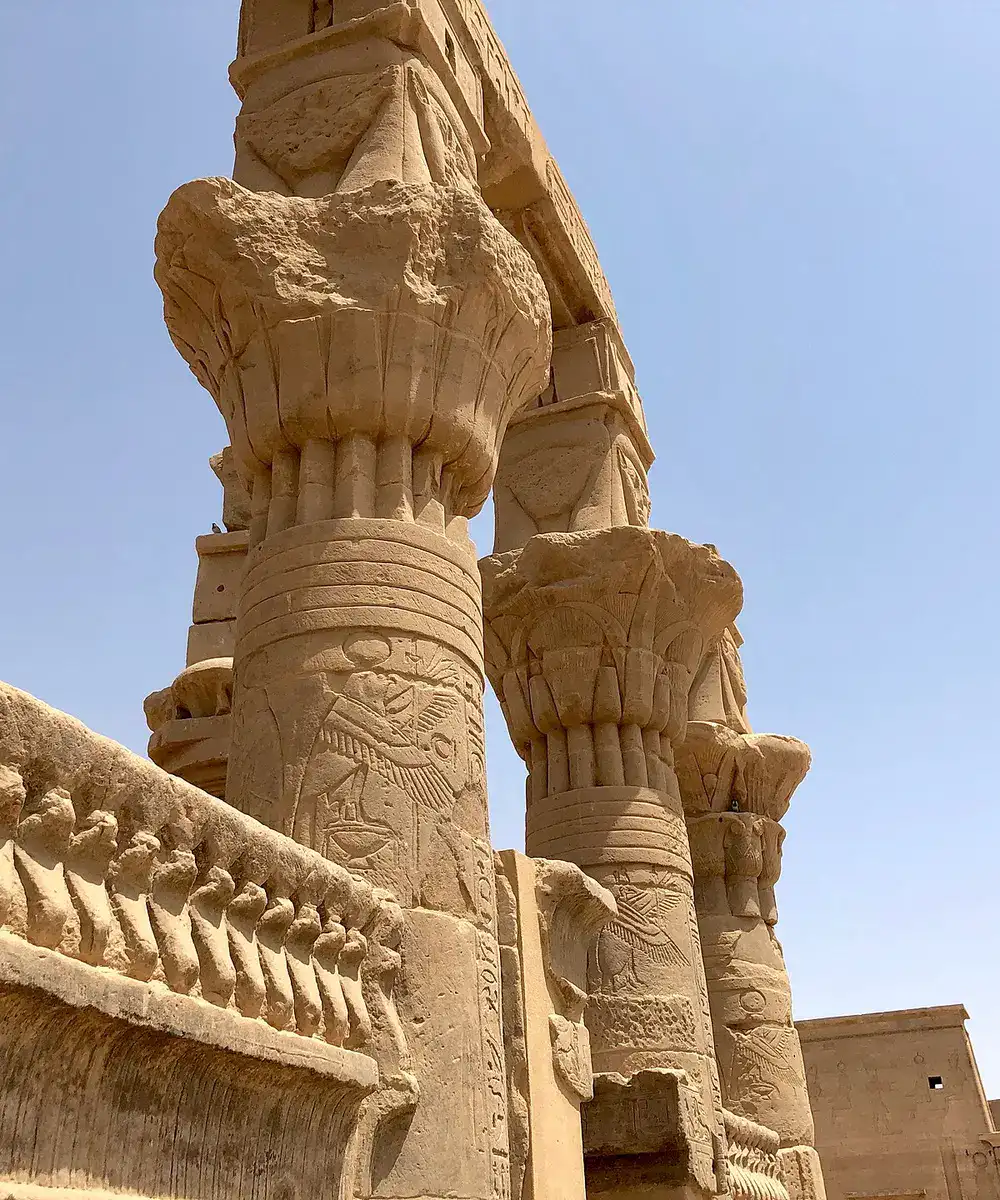
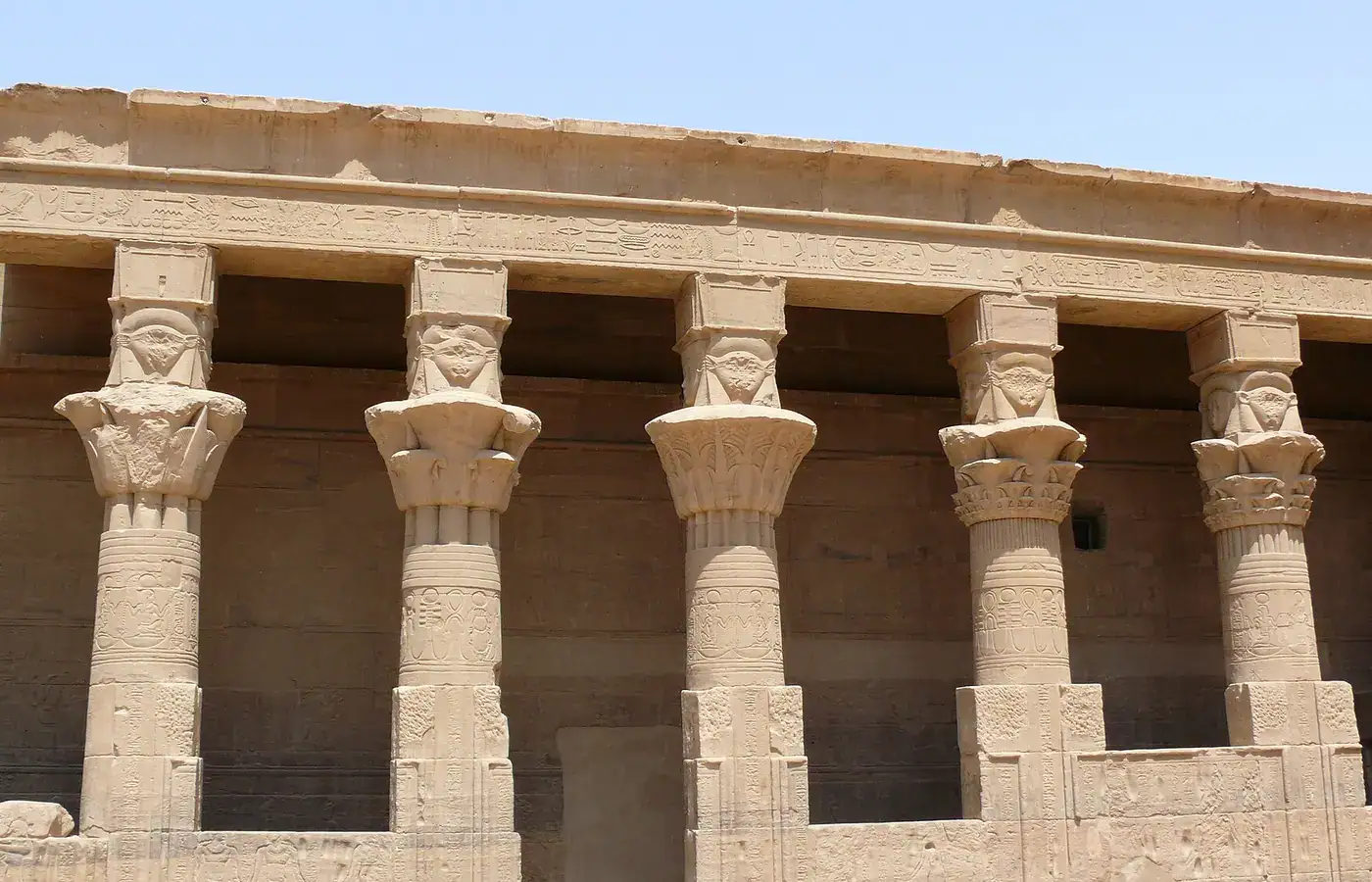
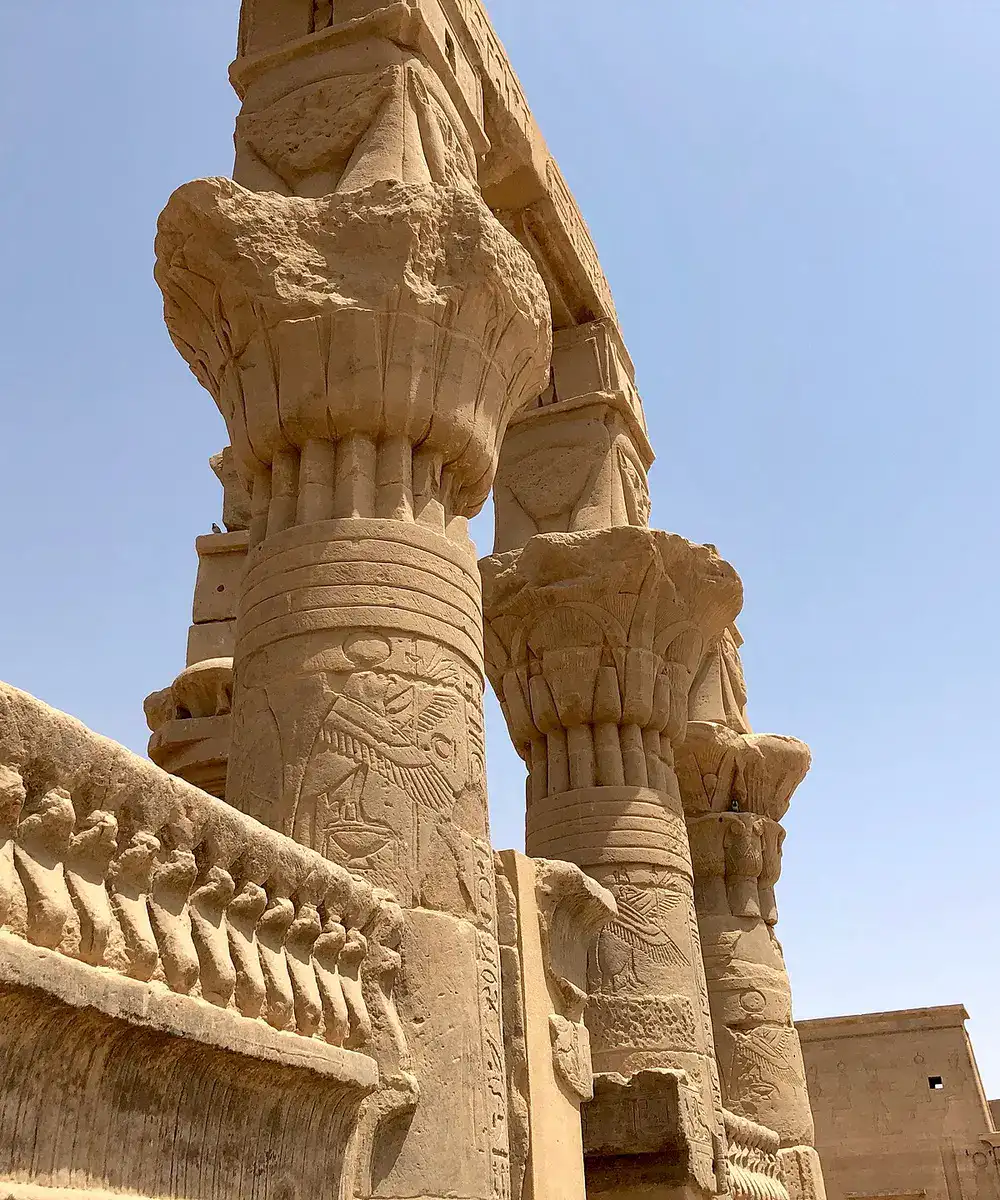
Moreover, Hathor-headed capitals and finely carved reliefs make the birth house one of the most rewarding parts of the complex to examine closely.
Trajan’s Kiosk and the Waterside Procession
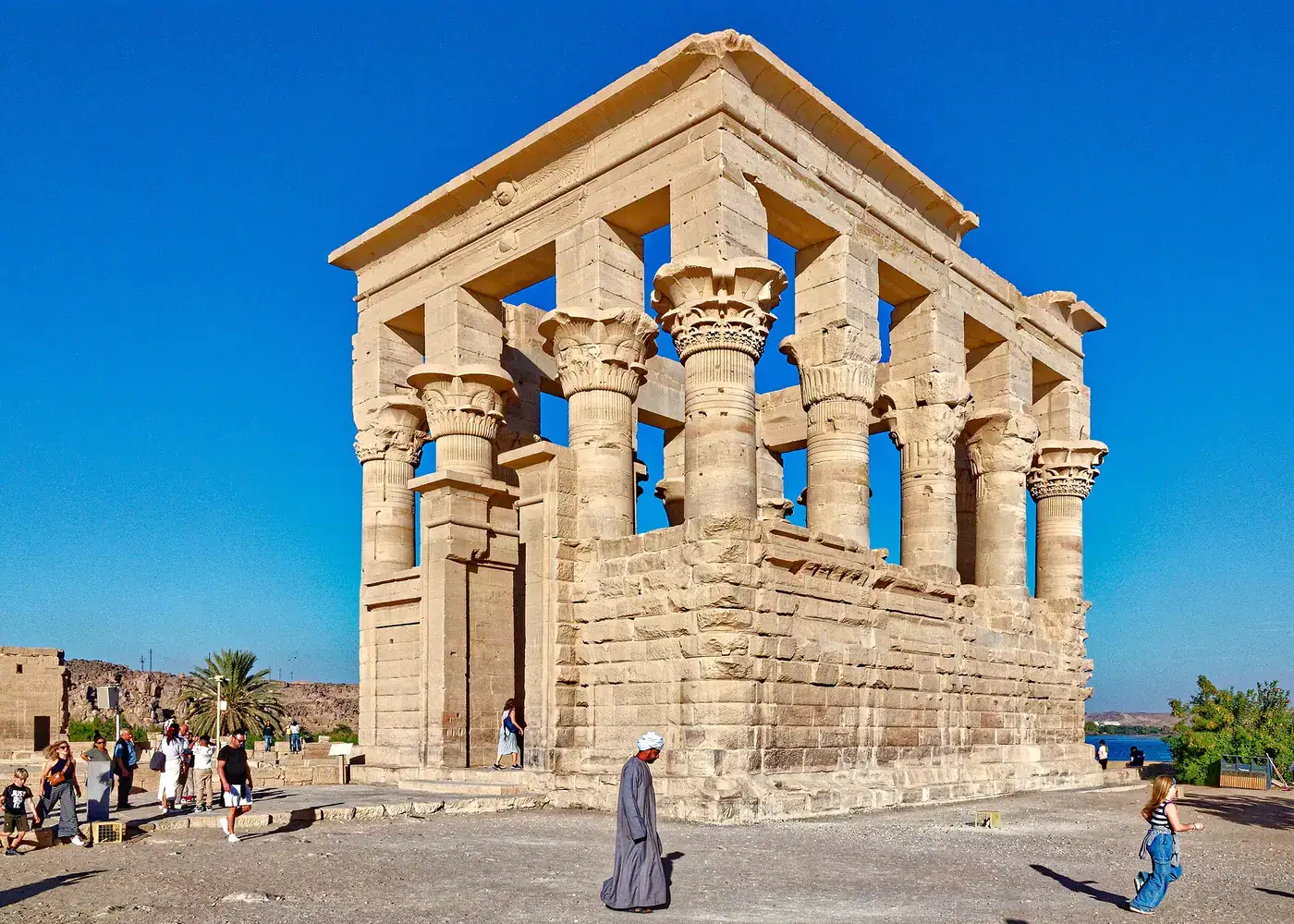
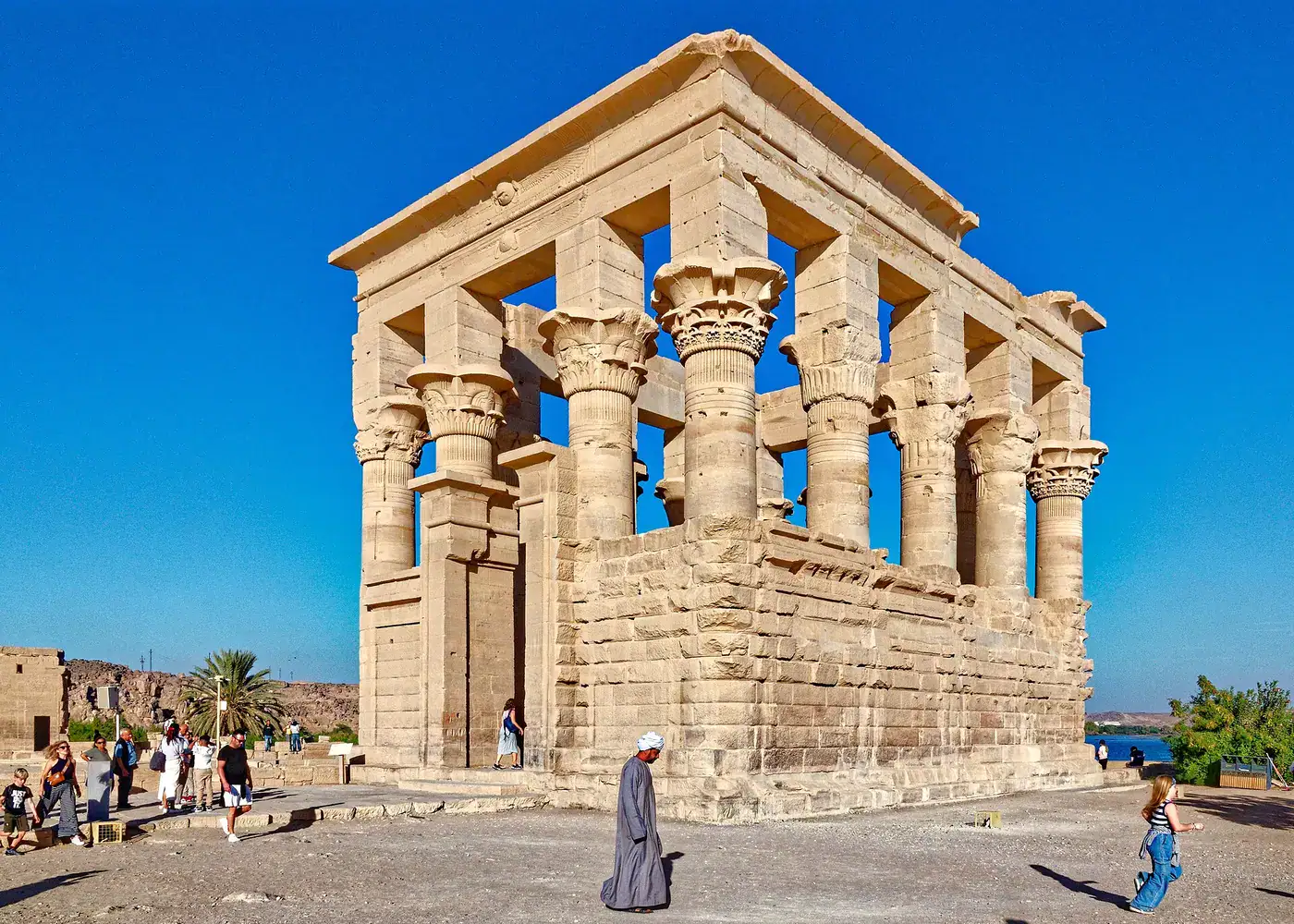
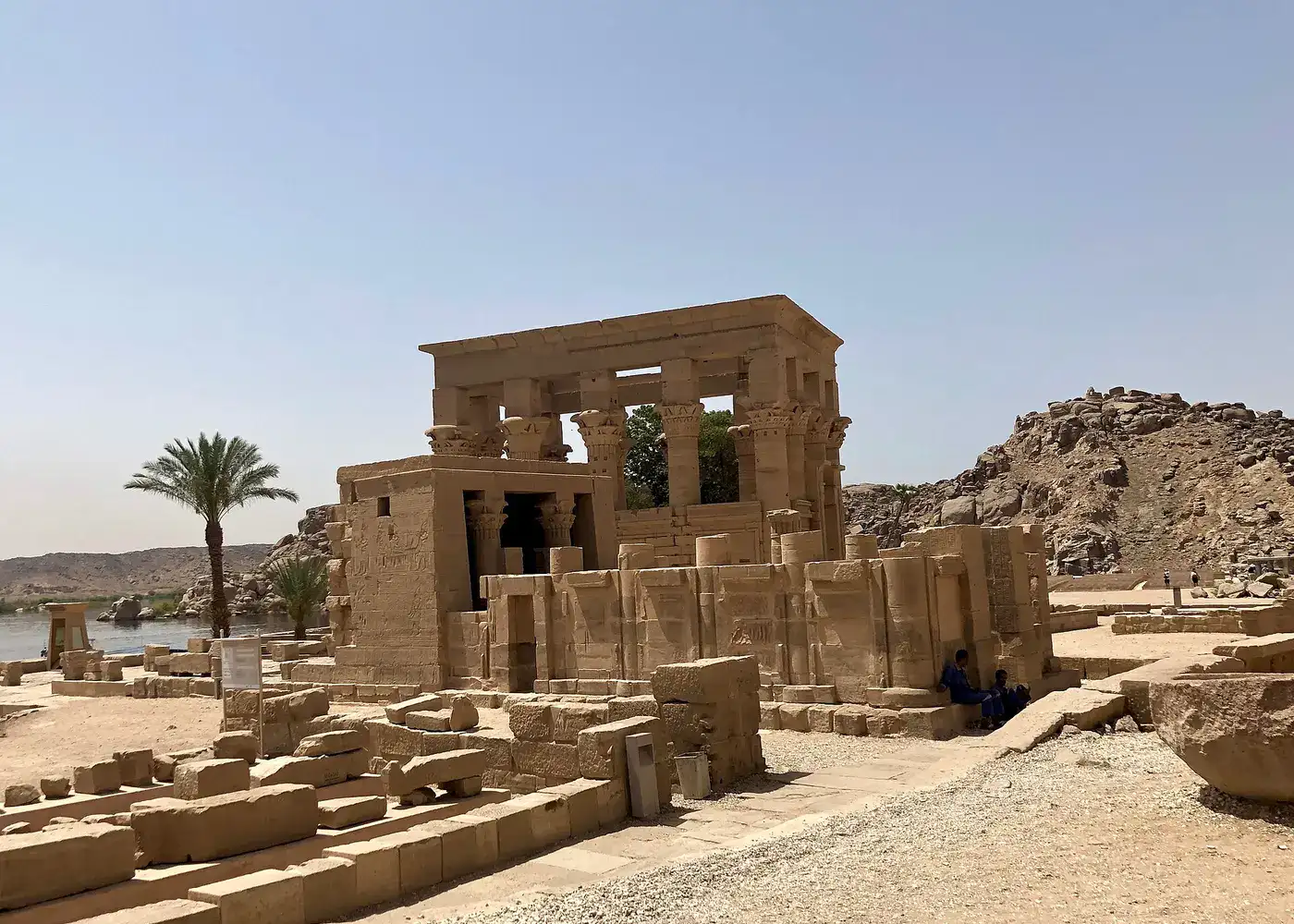
Meanwhile, Trajan’s Kiosk stands close to the water with fourteen elegant columns and richly varied capitals. Although builders never completed its roof, the open pavilion became Philae’s most recognisable silhouette.
In addition, reliefs show Emperor Trajan presenting offerings to Isis, Osiris and Horus. The kiosk probably related to ceremonial arrivals and the movement of the sacred barque between the river and the temple precinct.
Finally, the nearby Temple of Hathor preserves delightful scenes of music and celebration, including the dwarf god Bes playing instruments.
Philae Temple Gallery
Visiting Philae Temple
Morning or Late Afternoon
Cooler light brings out the reliefs and makes the open areas more comfortable.
Allow 2–3 Hours
Therefore, include the return boat ride and enough time for the main temple and smaller monuments.
Boat from Philae Marina
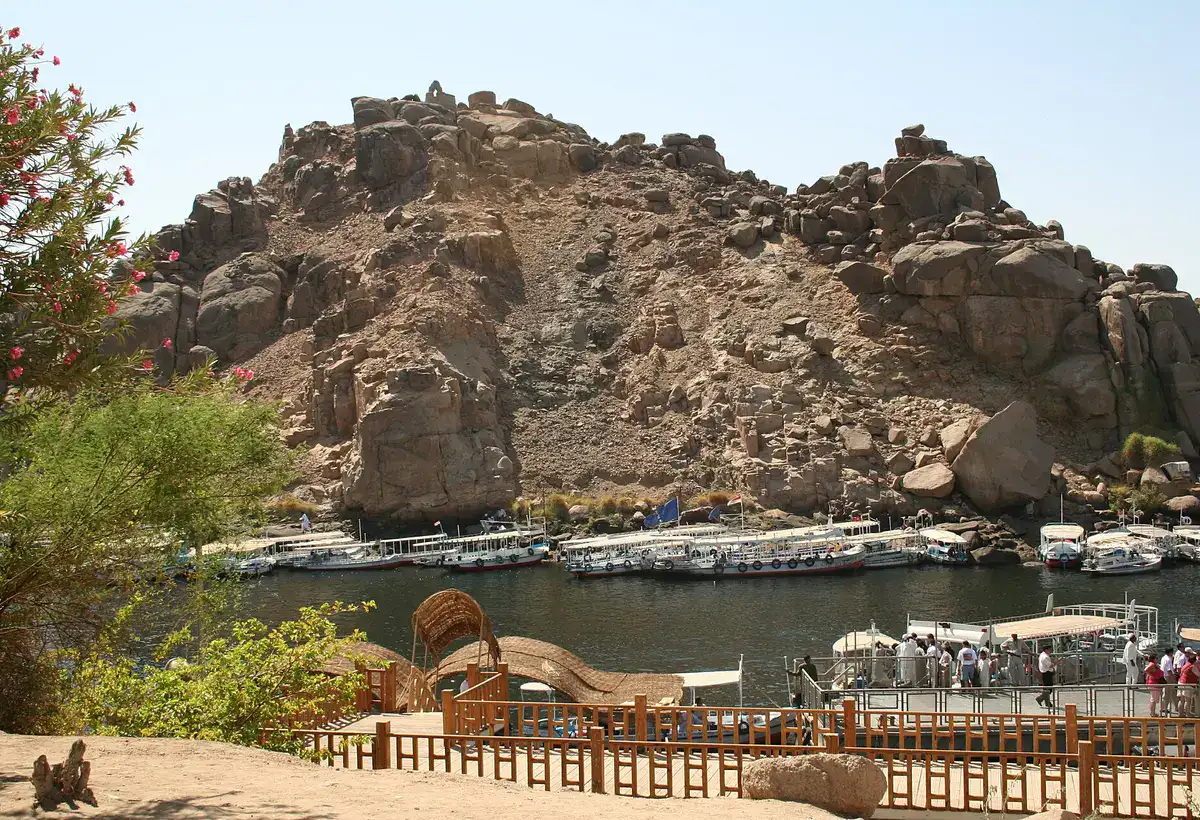
Cars stop at the marina; the archaeological island is accessible only by motorboat.
Check Current Hours
Opening times and ticket prices can change, especially around holidays.
Philae Temple Map
On Agilkia Island near Aswan
The complex stands between the Aswan Low Dam and High Dam. First, visitors travel by road to Philae Marina; then, they continue by boat to Agilkia Island.
Coordinates:
24.0258° N, 32.8842° E
Philae Temple FAQ
Experience Philae Temple
Cross the water to the sanctuary of Isis and discover an island where ancient devotion and modern preservation created one of Egypt’s most unforgettable visits.
Plan a Philae Visit