
Hatshepsut Temple:
Complete Guide to Deir el-Bahari
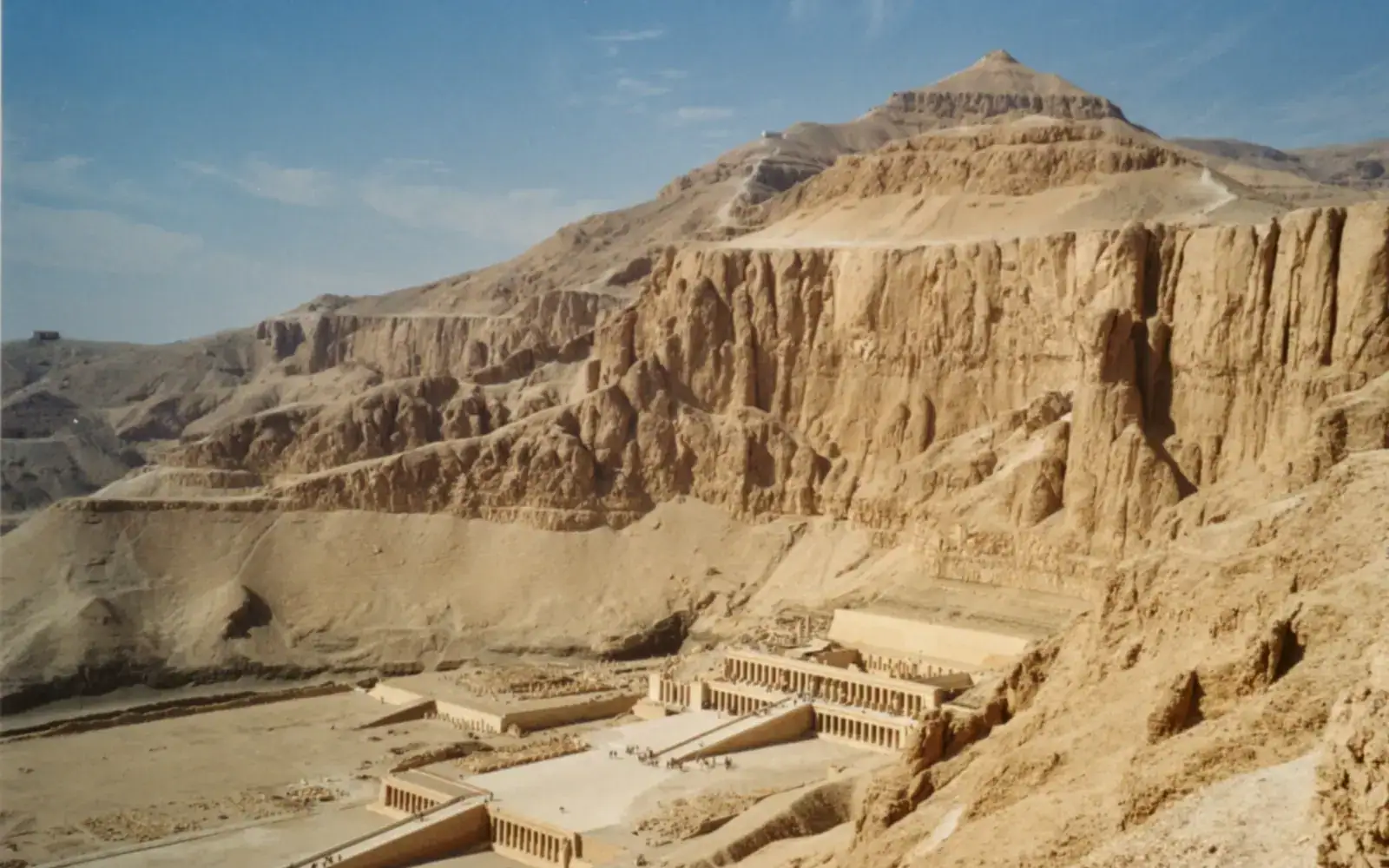
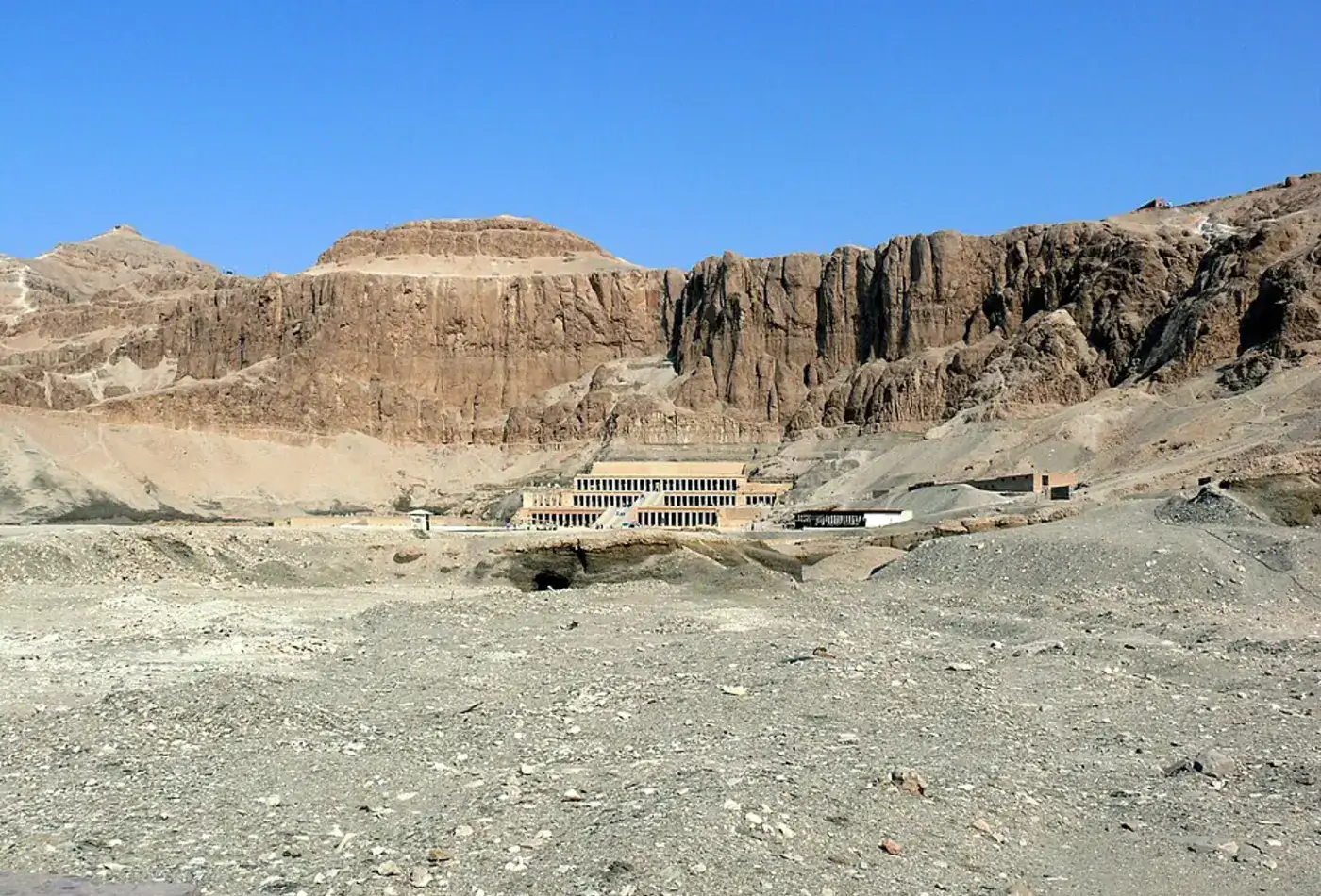
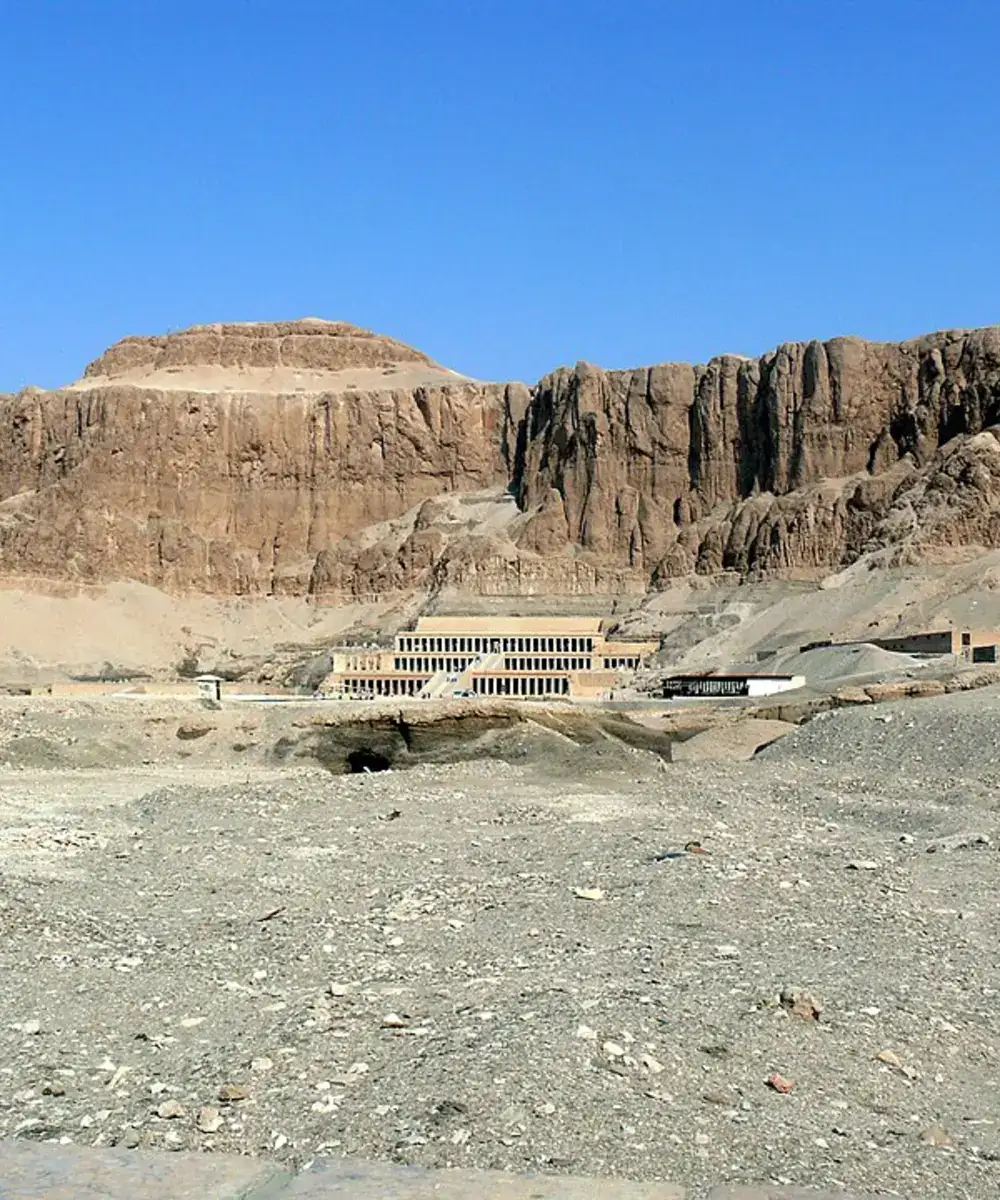
Hatshepsut Temple, known in ancient Egypt as Djeser-Djeseru, rises beneath the cliffs of Deir el-Bahari on Luxor’s West Bank. This complete guide explains its architecture, reliefs, chapels, royal history, visitor planning and the story of Egypt’s most famous female pharaoh.
Why Is Hatshepsut Temple Famous?
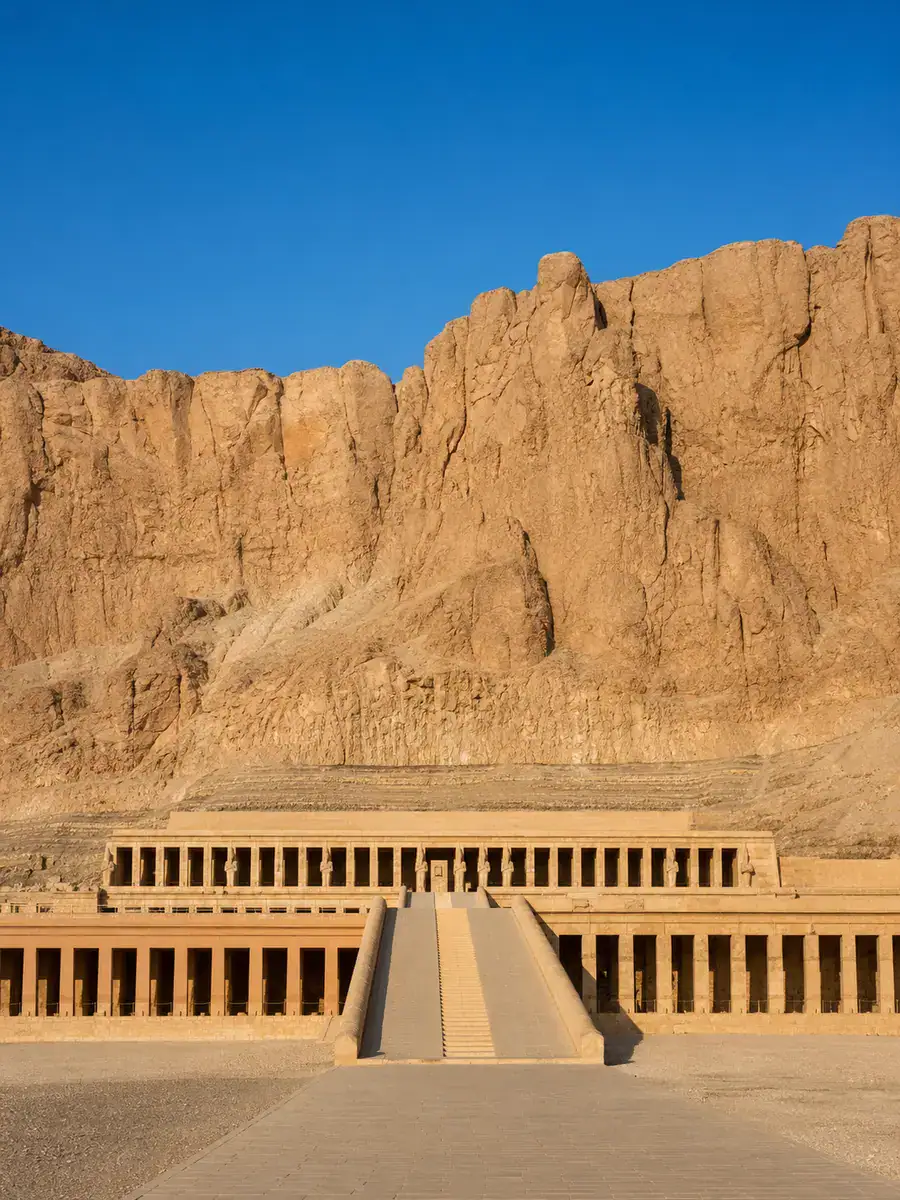
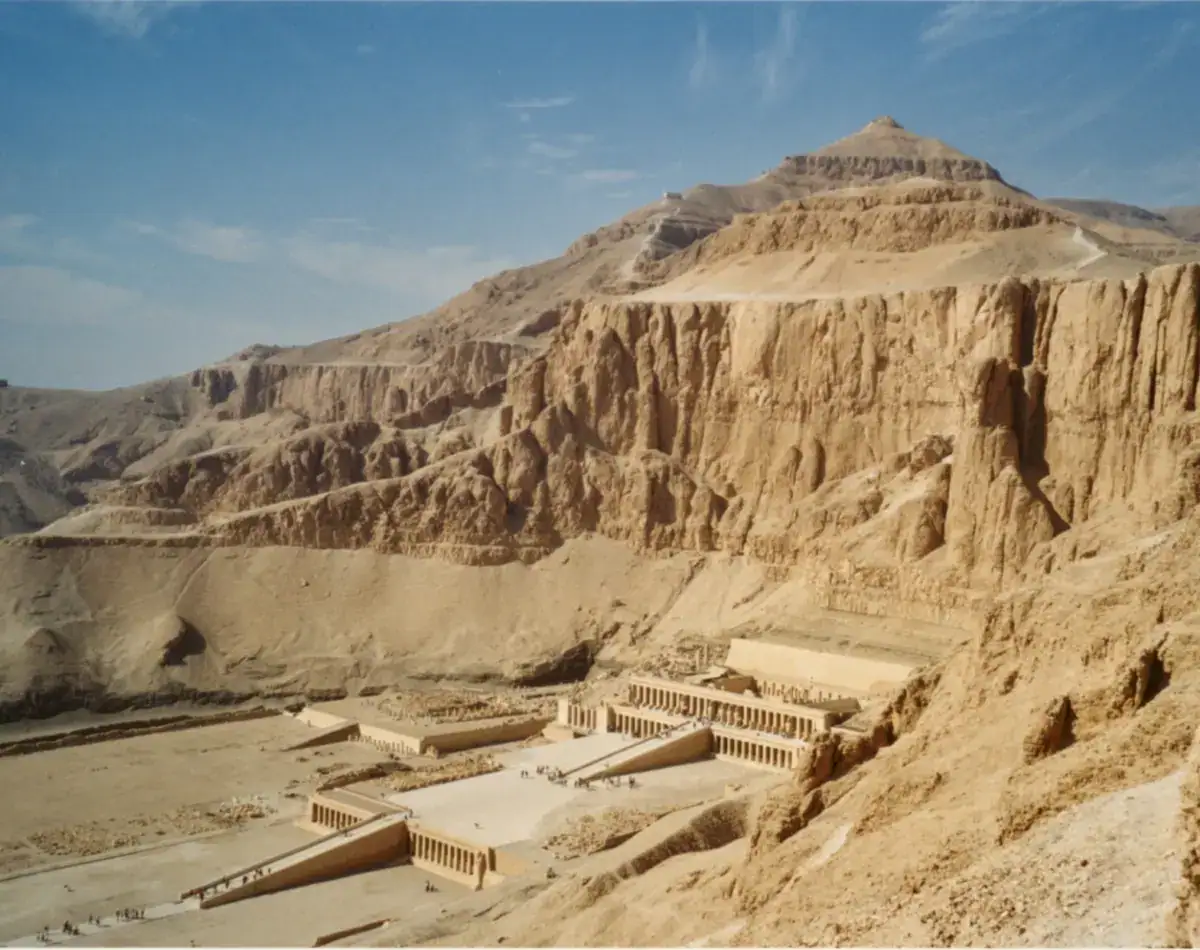
To begin with, Hatshepsut Temple is famous for its three monumental terraces, dramatic cliff setting, royal statues and some of the most important narrative reliefs in ancient Egypt. In particular, the middle terrace preserves scenes of Hatshepsut’s expedition to Punt and her divine-birth story. In addition, the temple contains chapels for Hathor and Anubis, a solar cult complex and the main sanctuary of Amun-Re. As a result, it is both an architectural masterpiece and one of the clearest monuments for understanding how Hatshepsut presented her legitimacy as pharaoh.
Updated August 2026 • Visitor hours, ticket prices and accessible areas can change.Hatshepsut Temple at Deir el-Bahari: Why It Is So Important
Hatshepsut Temple stands at Deir el-Bahari on the west bank of Luxor. In addition, built during Hatshepsut’s reign in the 18th Dynasty, it combined royal commemoration, worship of Amun-Re and the continuing cult of the ruler after death. For broader historical context, read our guide to Queen Hatshepsut.
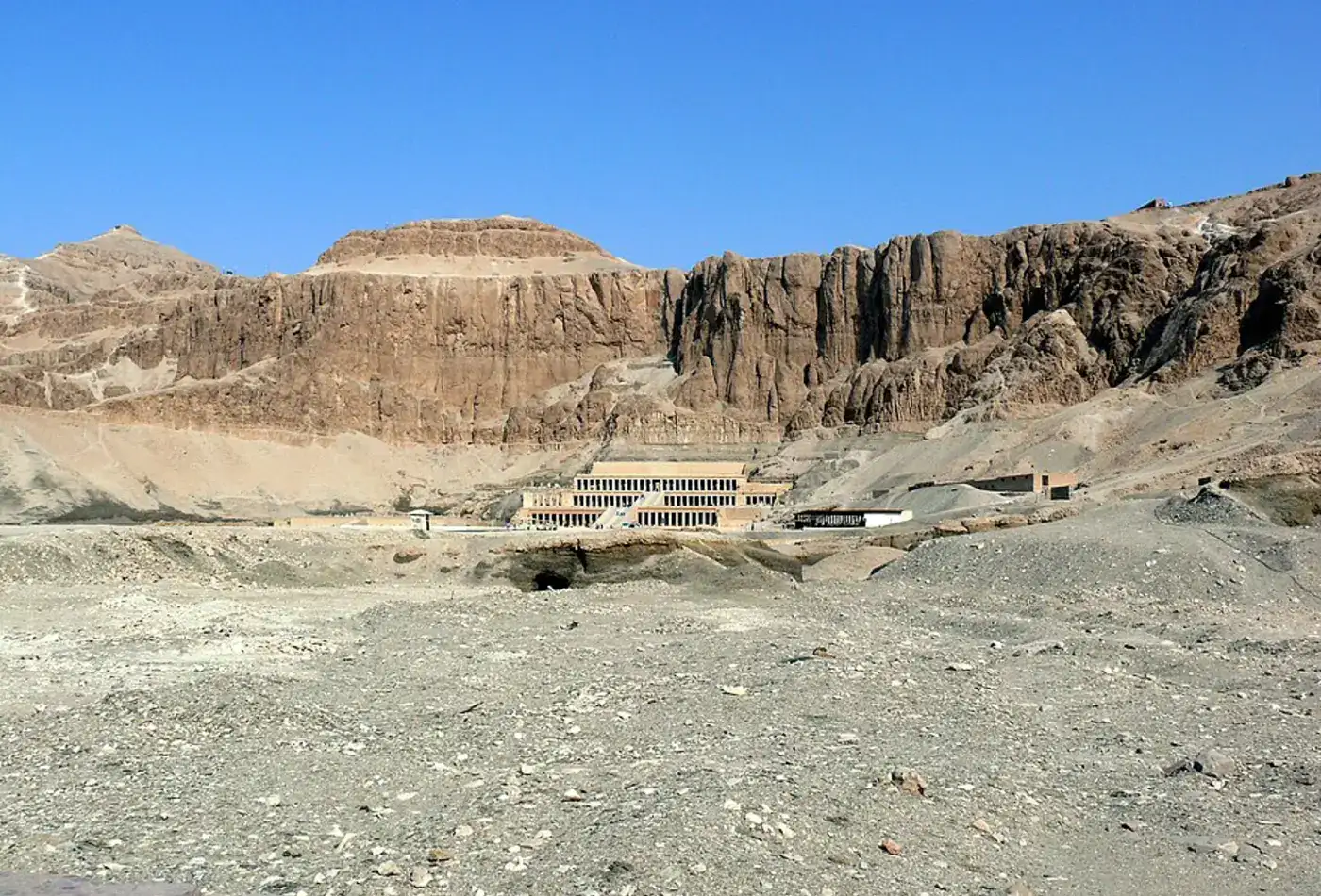
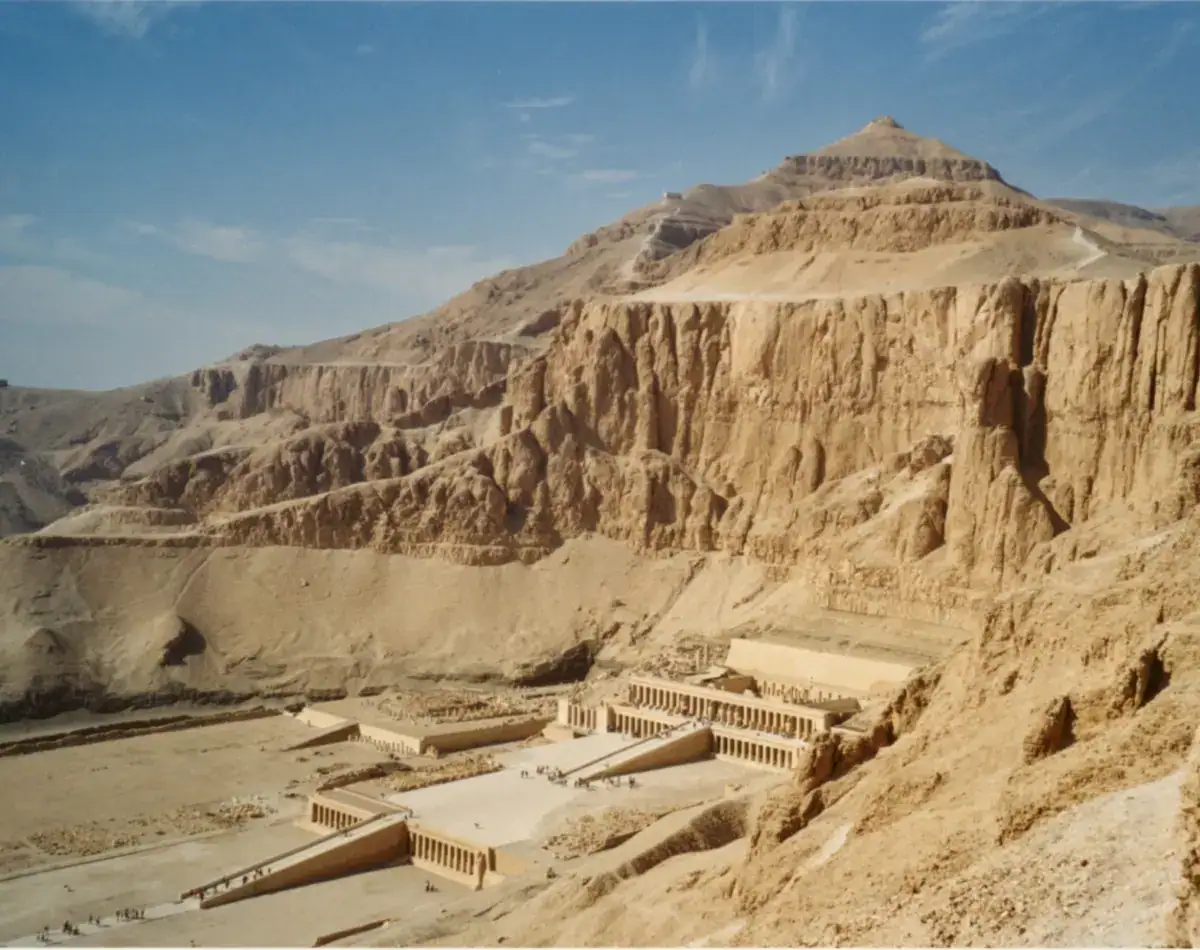
Moreover, its terraces, ramps and colonnades create a striking dialogue with the limestone cliffs. In fact, the ancient Egyptians called the complex Djeser-Djeseru, usually translated as the “Holy of Holies.”
Although tradition associates the design with the official Senenmut, many planners, artists and builders also shaped the monument. Therefore, the temple represents both royal ambition and the organised skill of New Kingdom Egypt.
Hatshepsut Temple History: From Construction to Restoration
Over time, the monument has changed repeatedly since the 18th Dynasty. Therefore, understanding its timeline helps visitors distinguish Hatshepsut’s original programme from later damage, reuse and modern restoration.
Construction
Initially, Hatshepsut commissioned Djeser-Djeseru as a mortuary and festival temple closely connected with Amun of Karnak.
Selective Erasure
Later, some royal names and images were removed during the later reign of Thutmose III, although the campaign was incomplete.
Reuse & Change
Subsequently, rockfalls, religious reuse and occupation altered parts of the complex while much of the original decoration survived.
Archaeology & Conservation
Today, Egyptian and Polish teams have documented, reconstructed and conserved major areas of the temple for modern visitors.
Hatshepsut Temple Architecture: Terraces, Ramps & Colonnades
To begin with, a long processional causeway once approached the lower court through gardens and sphinxes. Then, broad central ramps linked three ascending terraces. Finally, the upper level led worshippers into sacred courts and rock-cut chambers dedicated to Amun-Re and the royal cult.
Queen Hatshepsut: From Regent to Pharaoh
At first, after Thutmose II died, Hatshepsut served as regent for the young Thutmose III. However, within several years she adopted the full titles and visual symbols of a pharaoh while continuing to rule alongside him.
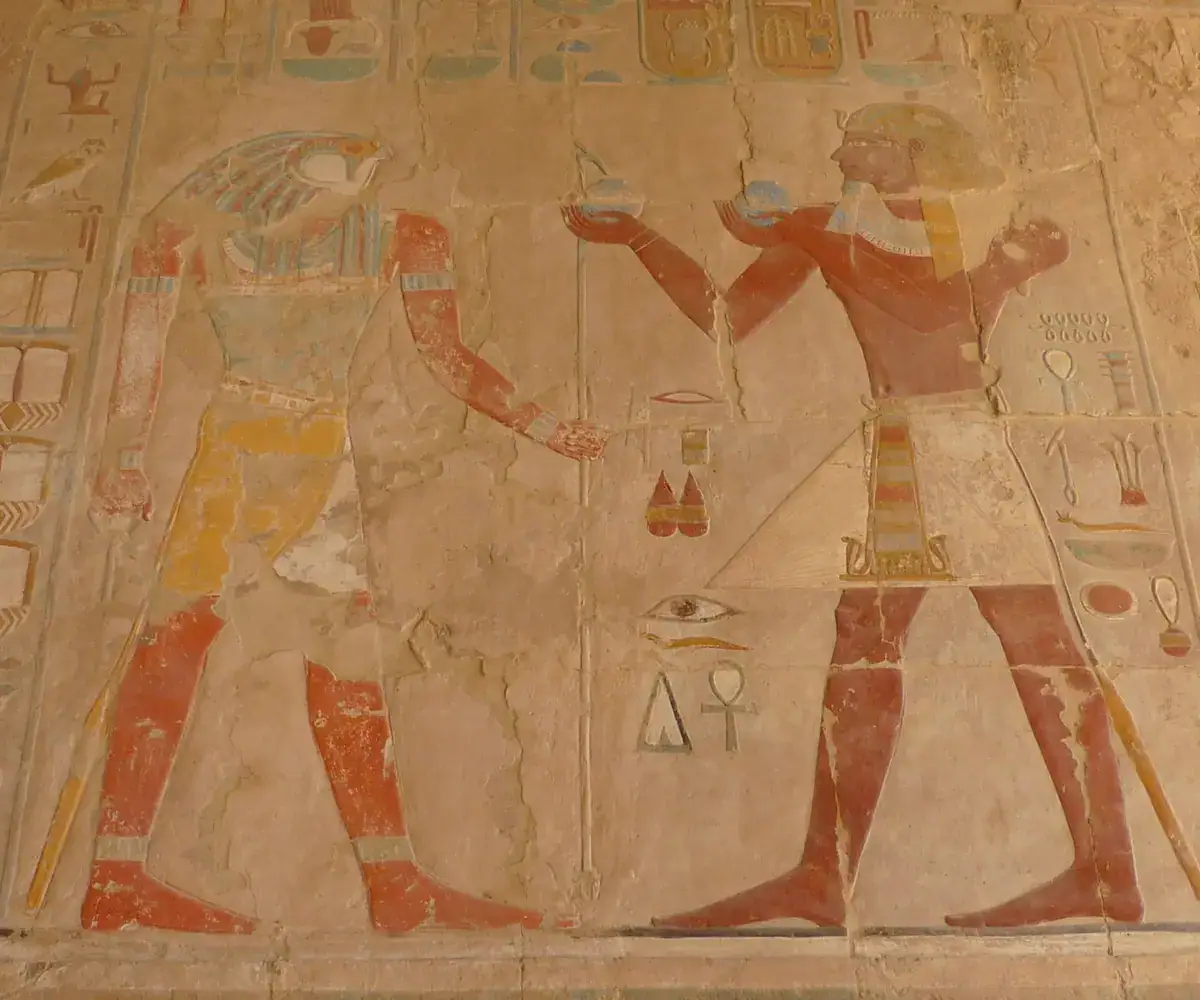
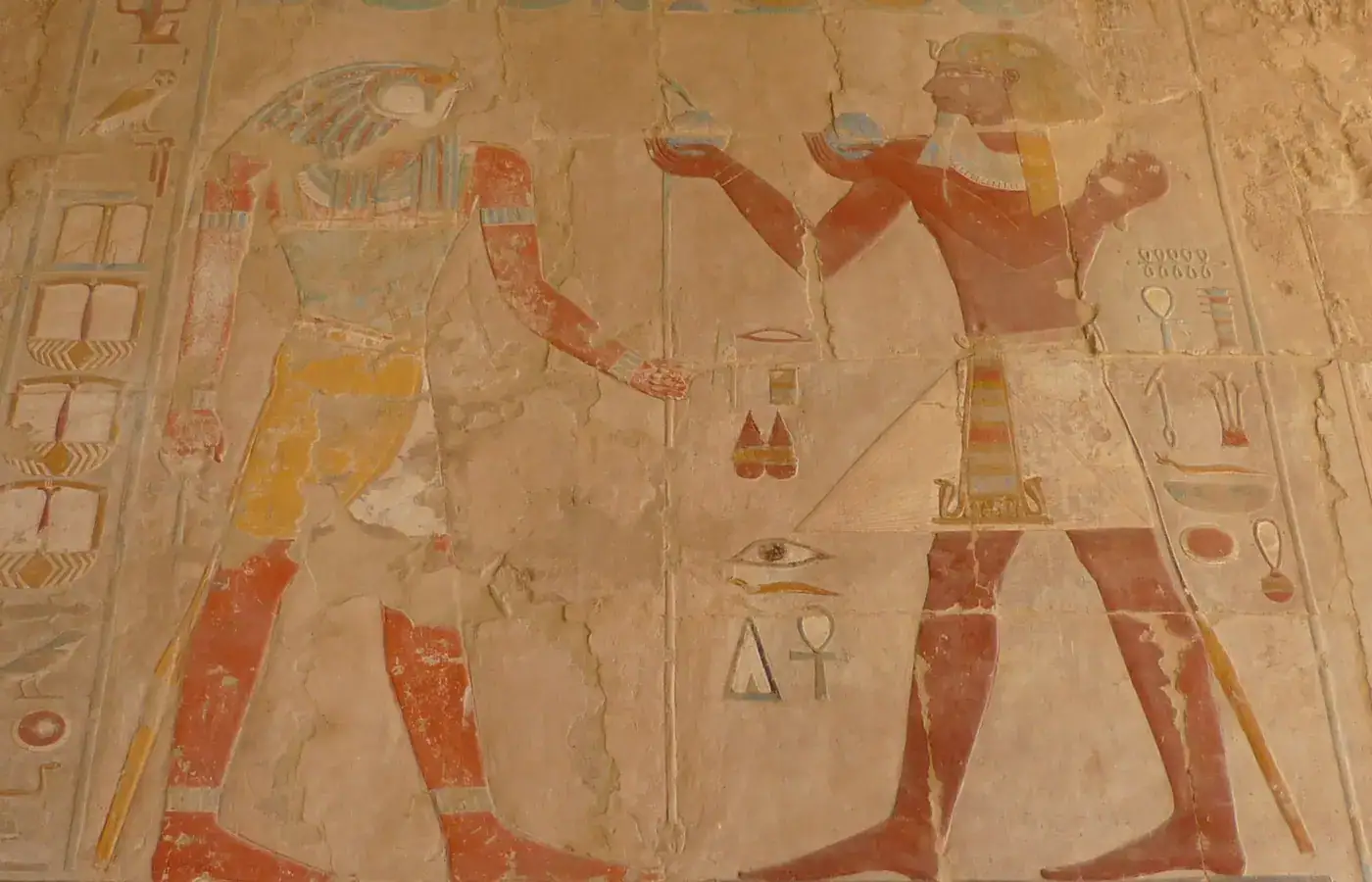
Consequently, the temple’s inscriptions present her kingship as divinely ordained. For instance, divine-birth scenes identify Amun-Re as her heavenly father, while coronation imagery connects her rule with royal tradition and cosmic order.
Furthermore, Hatshepsut promoted building and trade throughout Egypt. In particular, Djeser-Djeseru proclaimed her devotion to Amun and secured offerings for her cult after death.
- Reign: approximately 1479–1458 BCE
- Royal name: Maatkare
- Main cults: Amun-Re, Hatshepsut, Hathor and Anubis
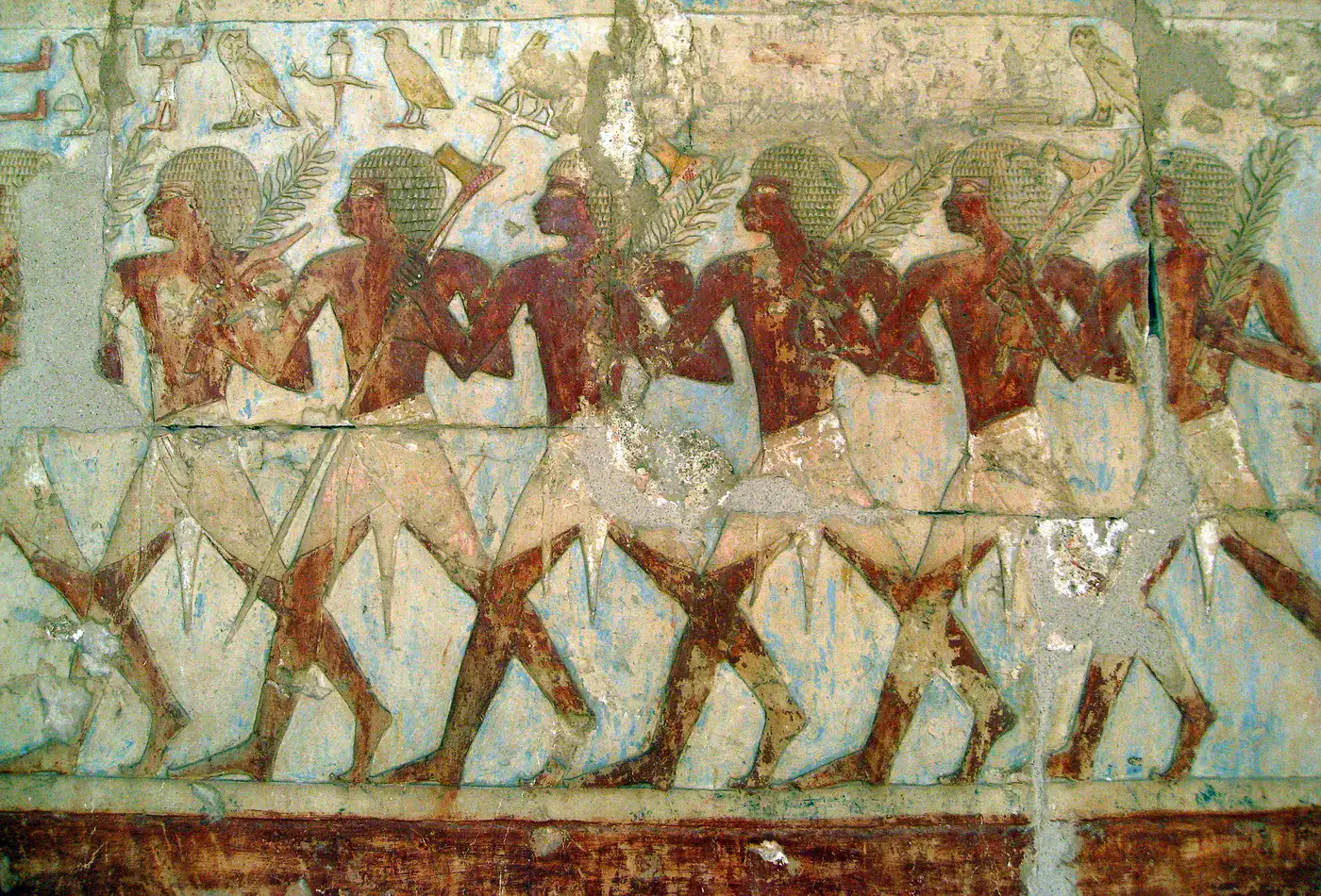
Hatshepsut Temple Punt Reliefs: The Expedition to Punt
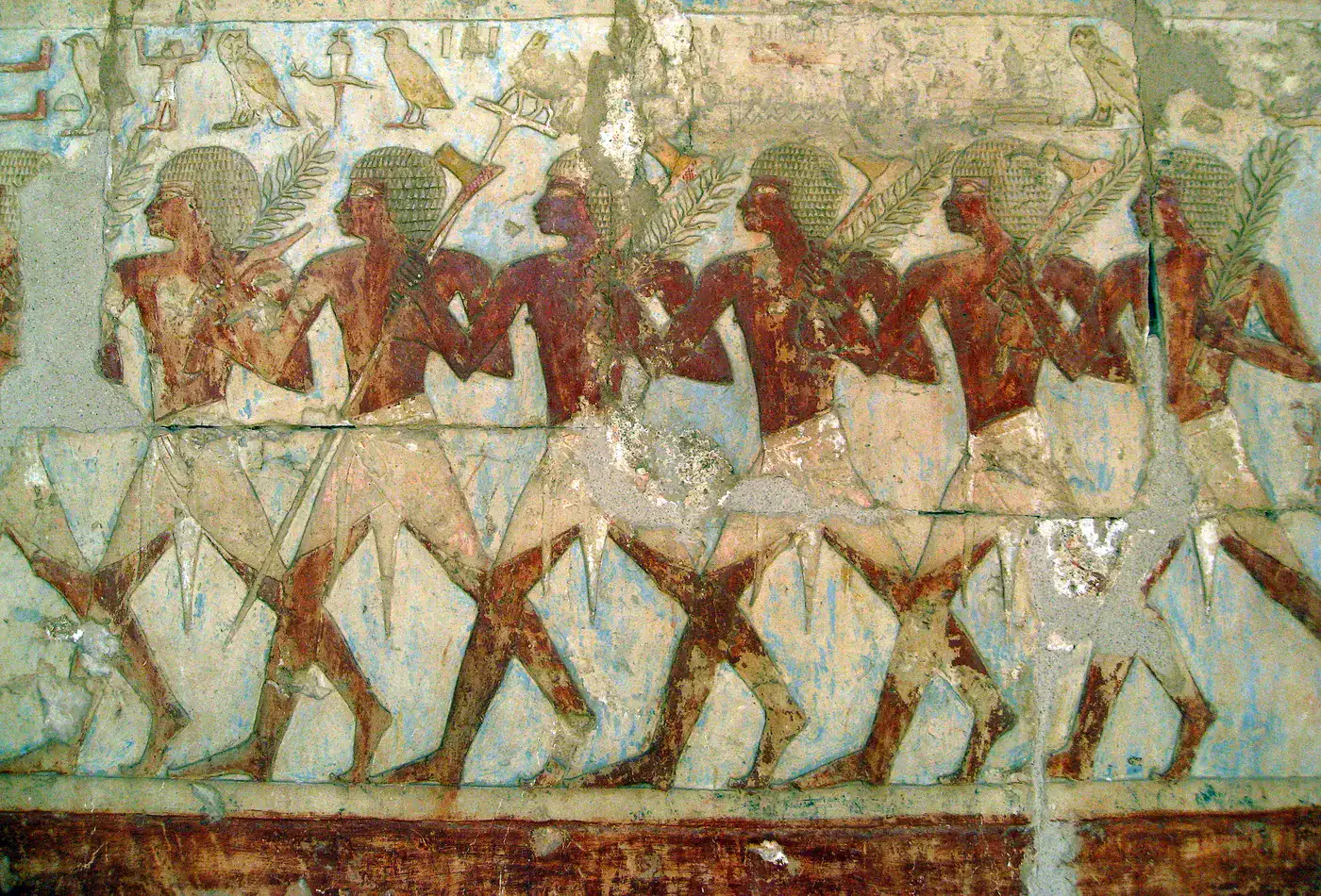
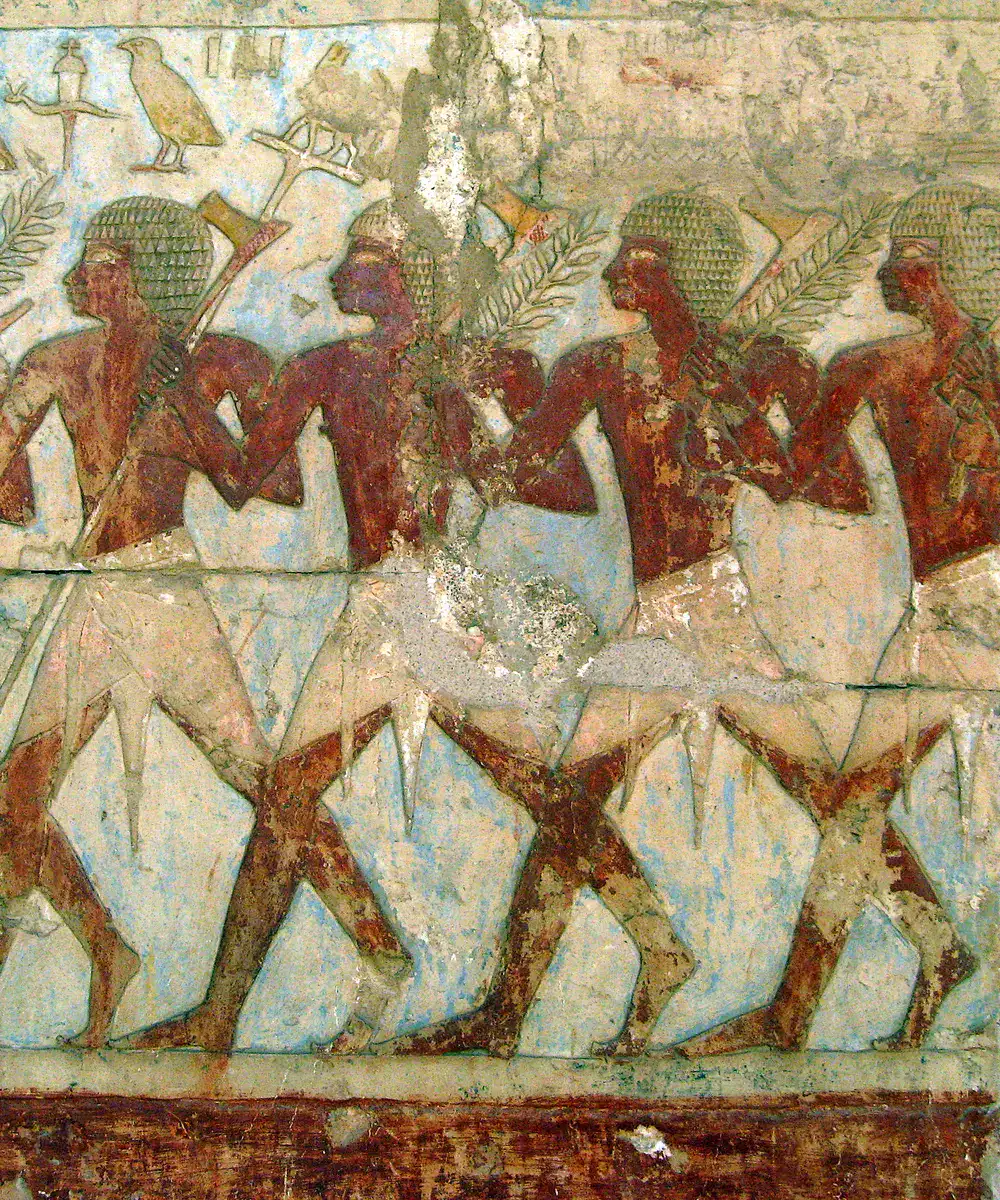
On the middle terrace, meanwhile, detailed reliefs commemorate a royal expedition to Punt during Hatshepsut’s reign. Instead, the scenes transform successful trade into a sacred achievement offered to Amun.
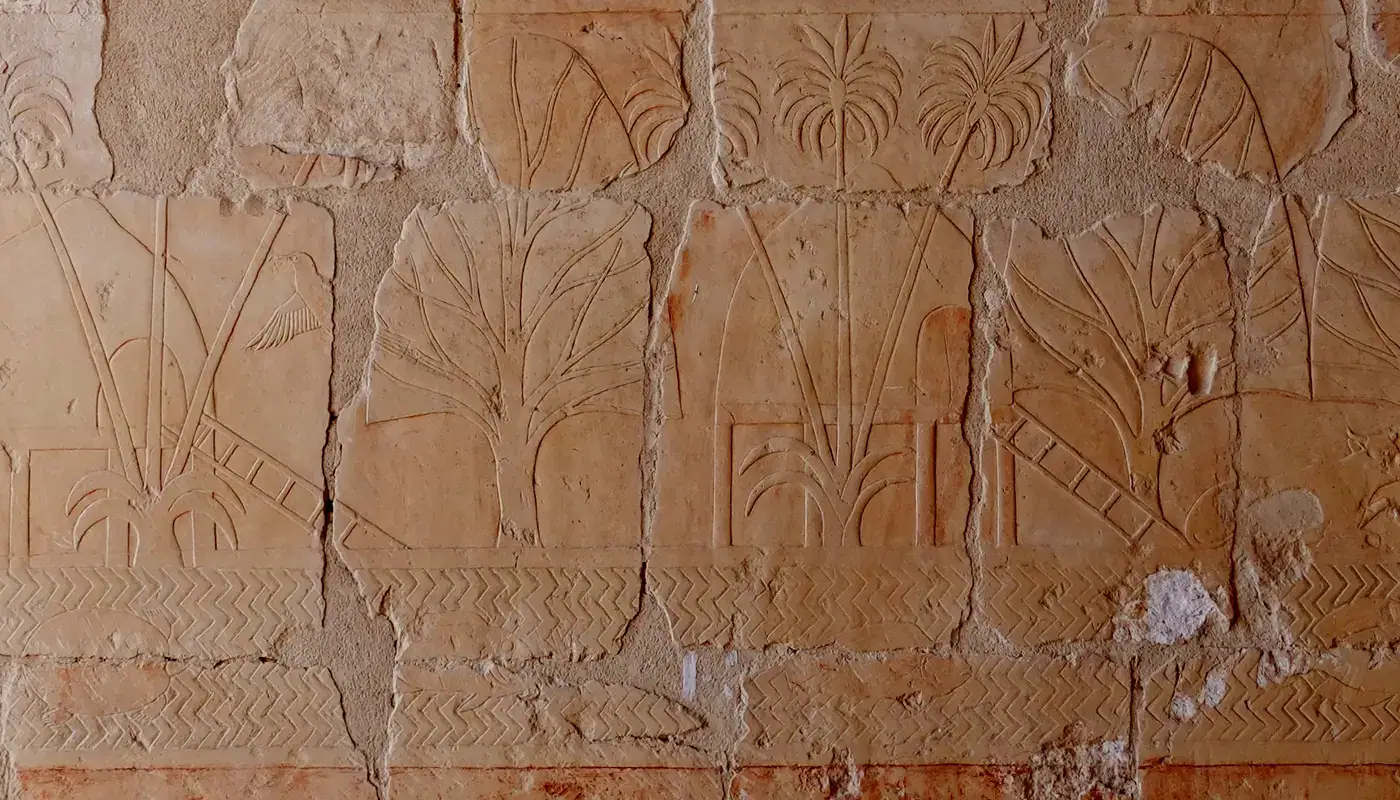
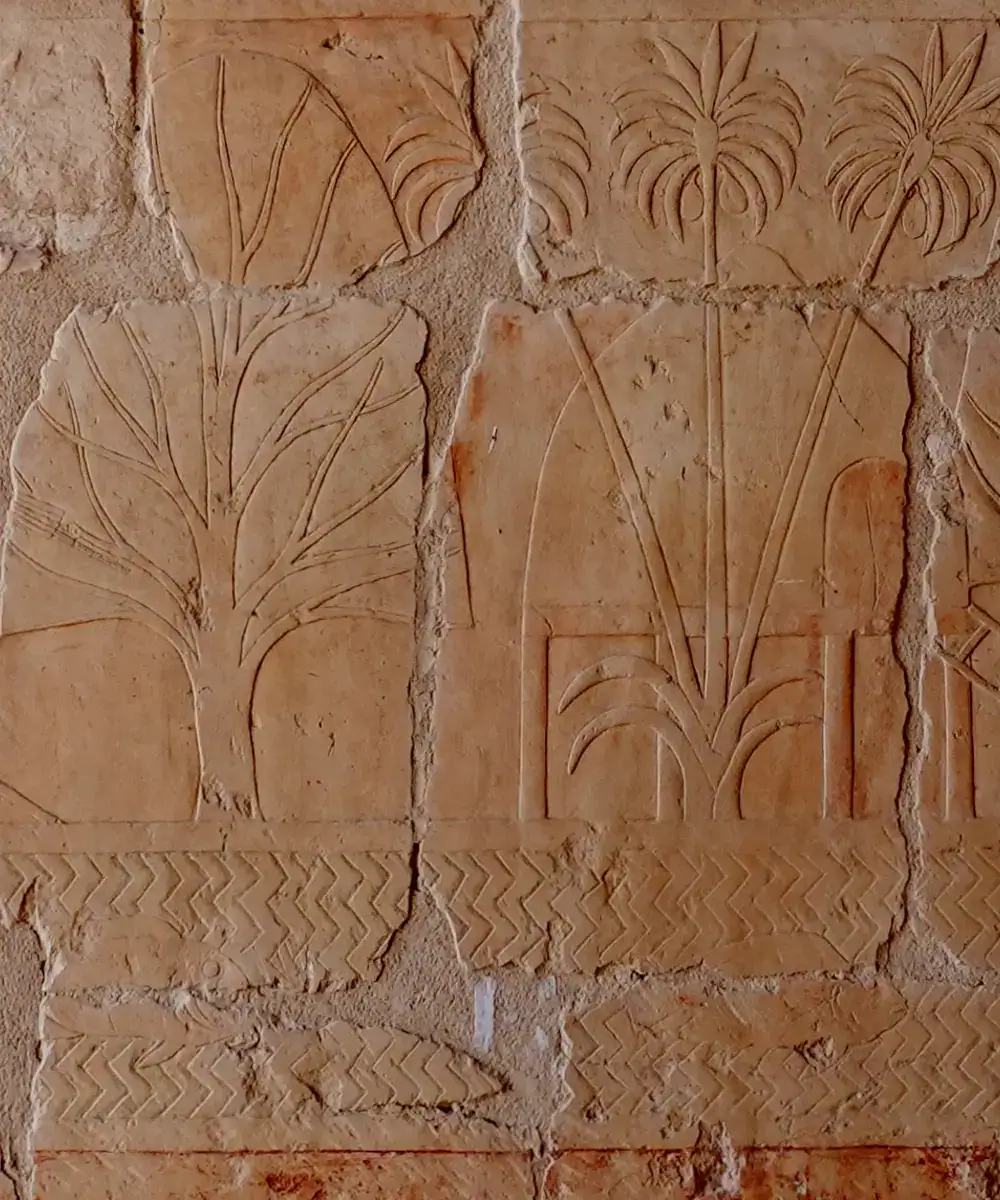
For example, the returning expedition carries incense, ebony, ivory and living myrrh trees. Meanwhile, images of ships, houses, animals and Punt’s inhabitants create one of ancient Egypt’s richest visual accounts of a distant land.
Generally, scholars place Punt around the Red Sea region of northeast Africa and Arabia. Nevertheless, its precise geographical boundaries remain debated, so the page avoids presenting one modern country as certain.
The temple turns architecture into royal biography: every ramp, colonnade and relief leads toward Hatshepsut’s eternal renewal.
Sacred Chapels Inside Hatshepsut Temple
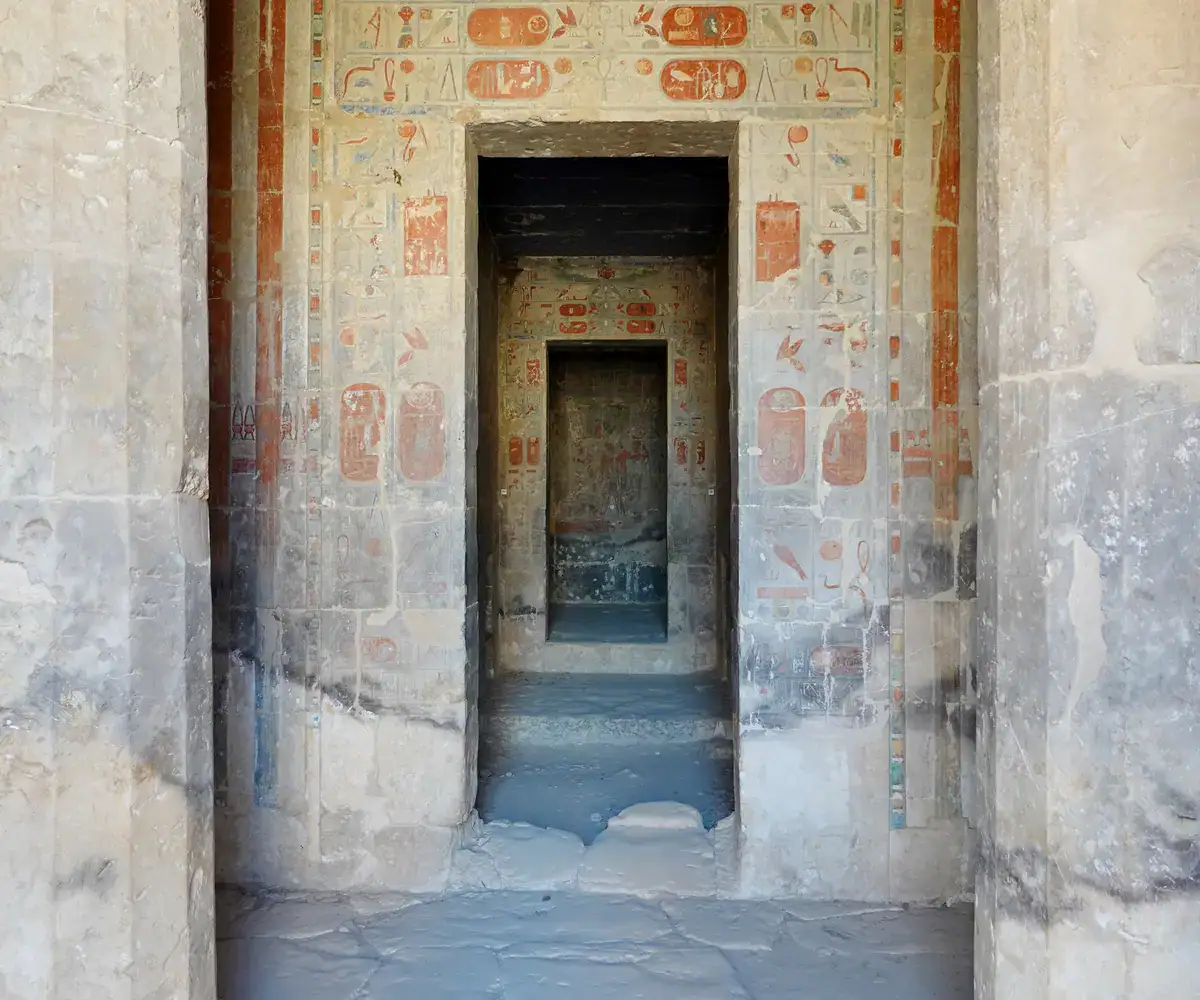
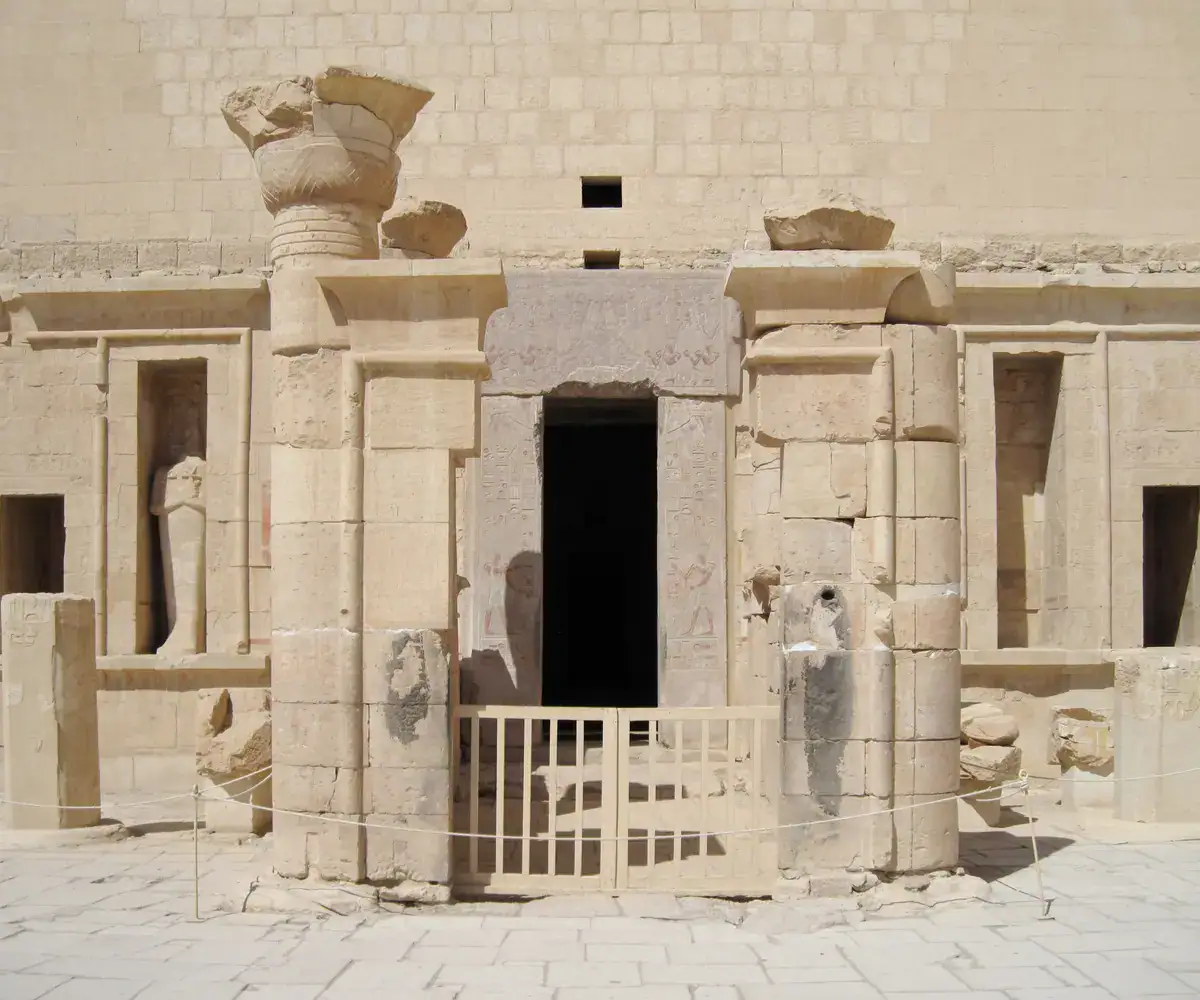
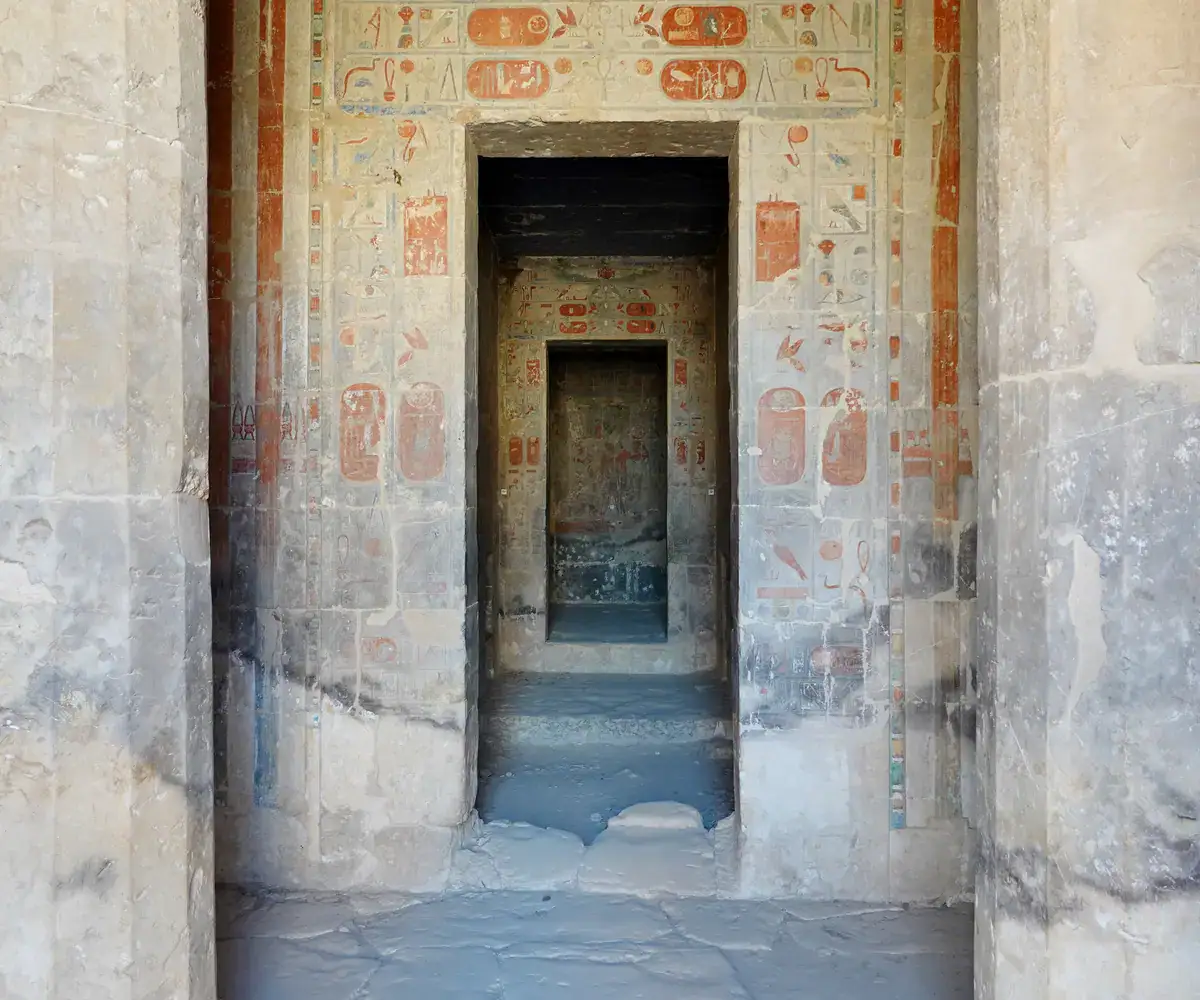
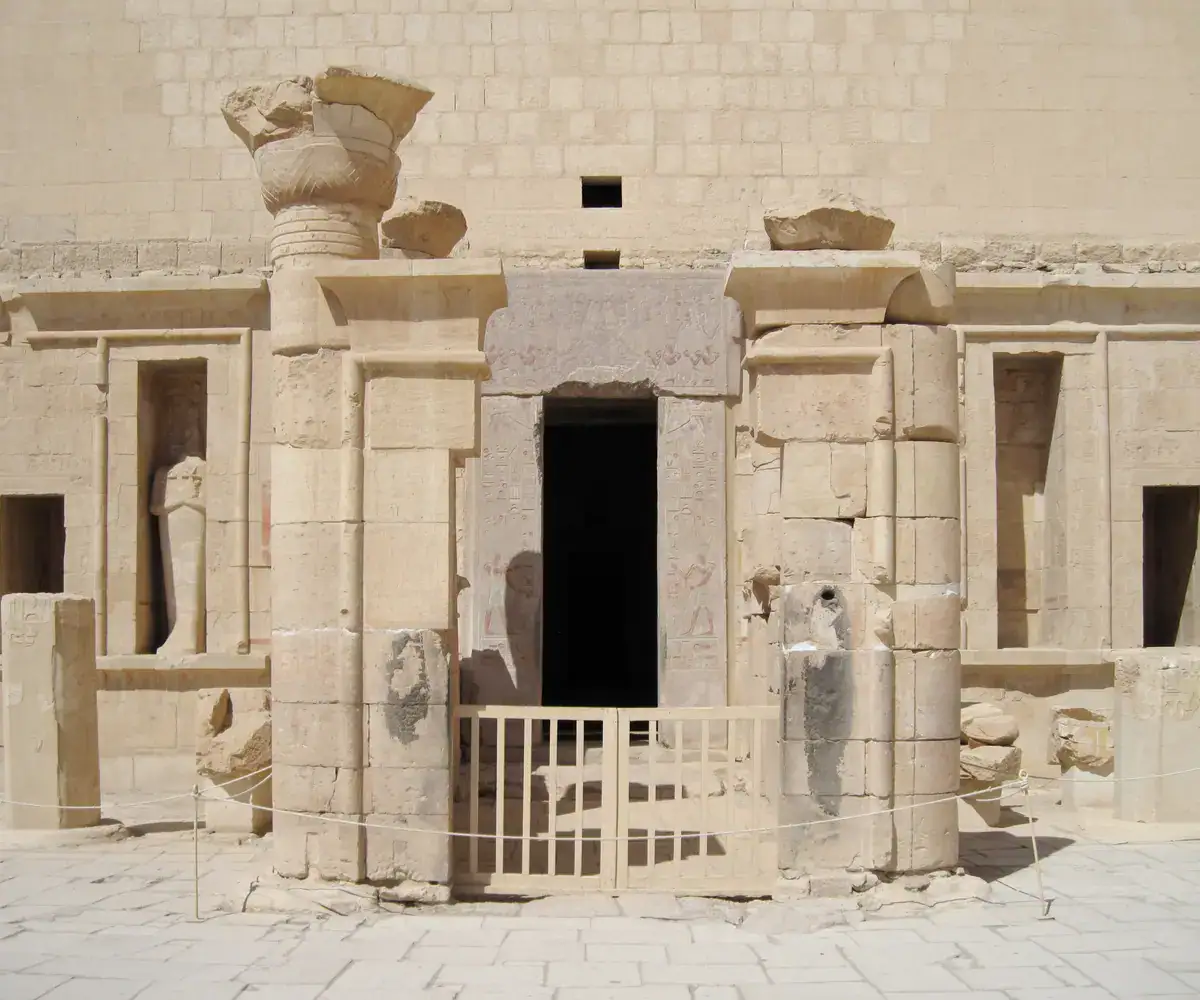
On the southern side, the middle terrace contains the Chapel of Hathor. Moreover, its distinctive columns carry the goddess’s face, while painted reliefs connect Hathor with music, motherhood, kingship and the western necropolis.
By contrast, the Lower Chapel of Anubis occupies the northern side. Here, moreover, vivid ceremonial scenes honour the jackal-headed god who protected burial and guided the dead.
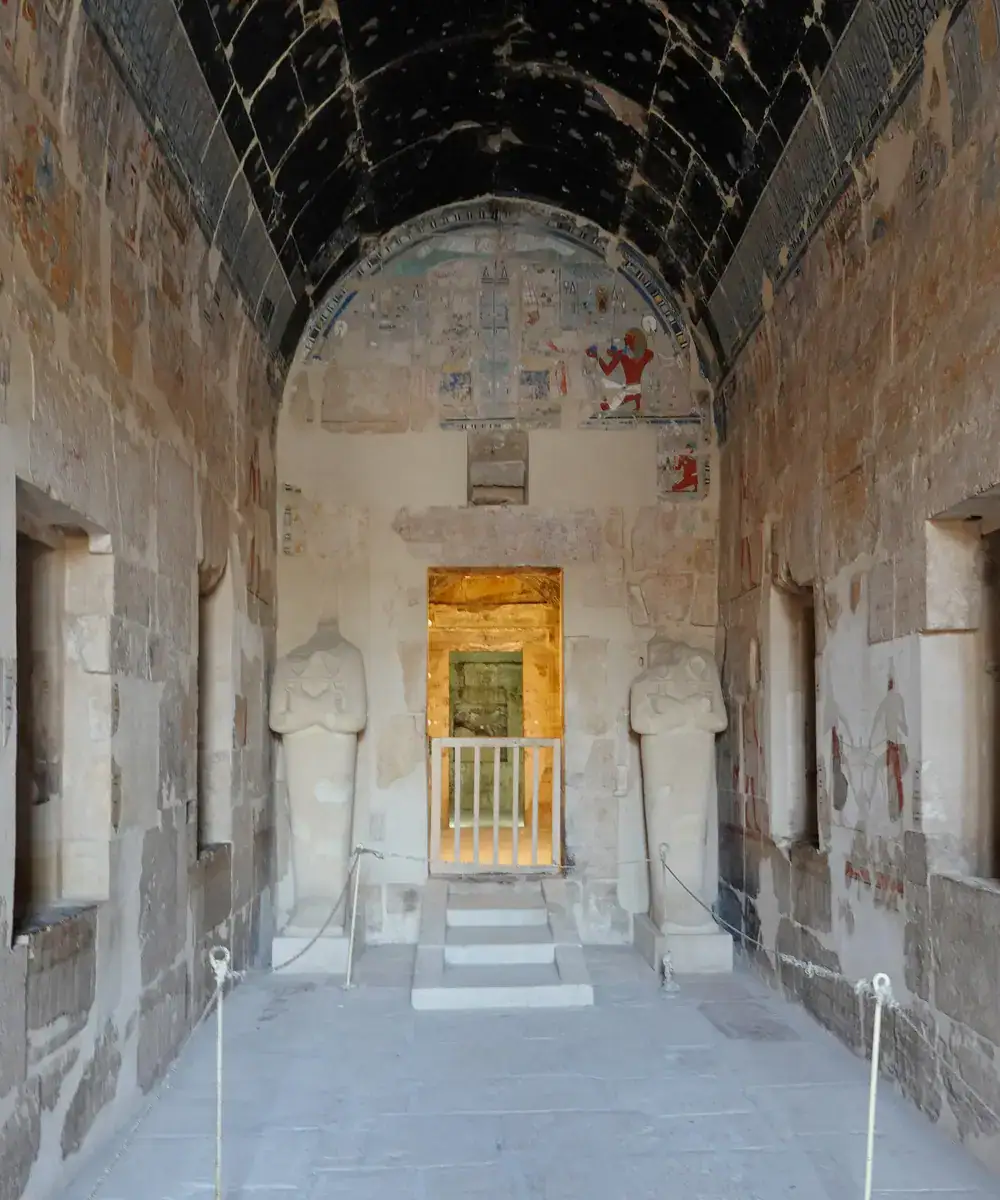
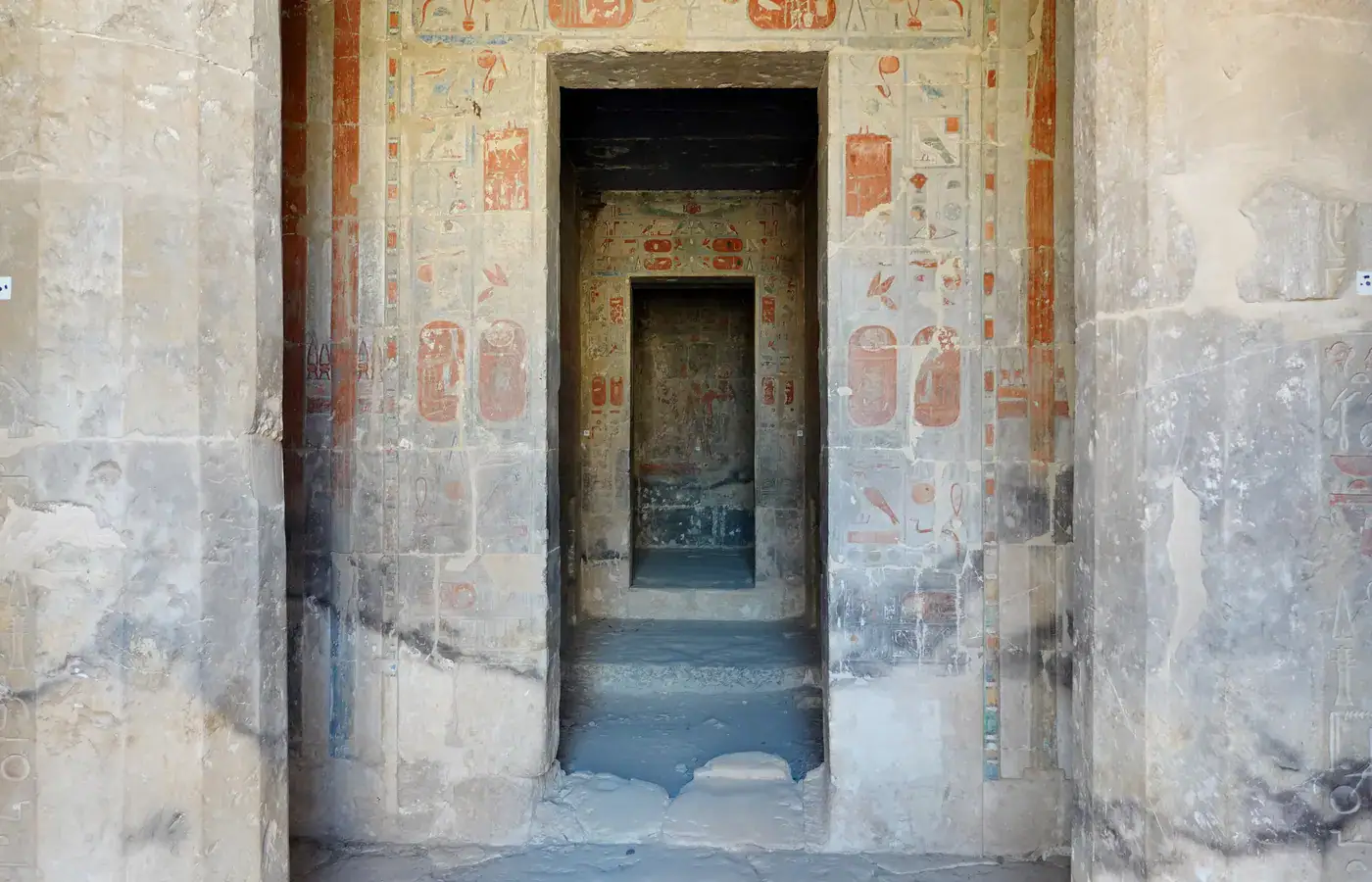
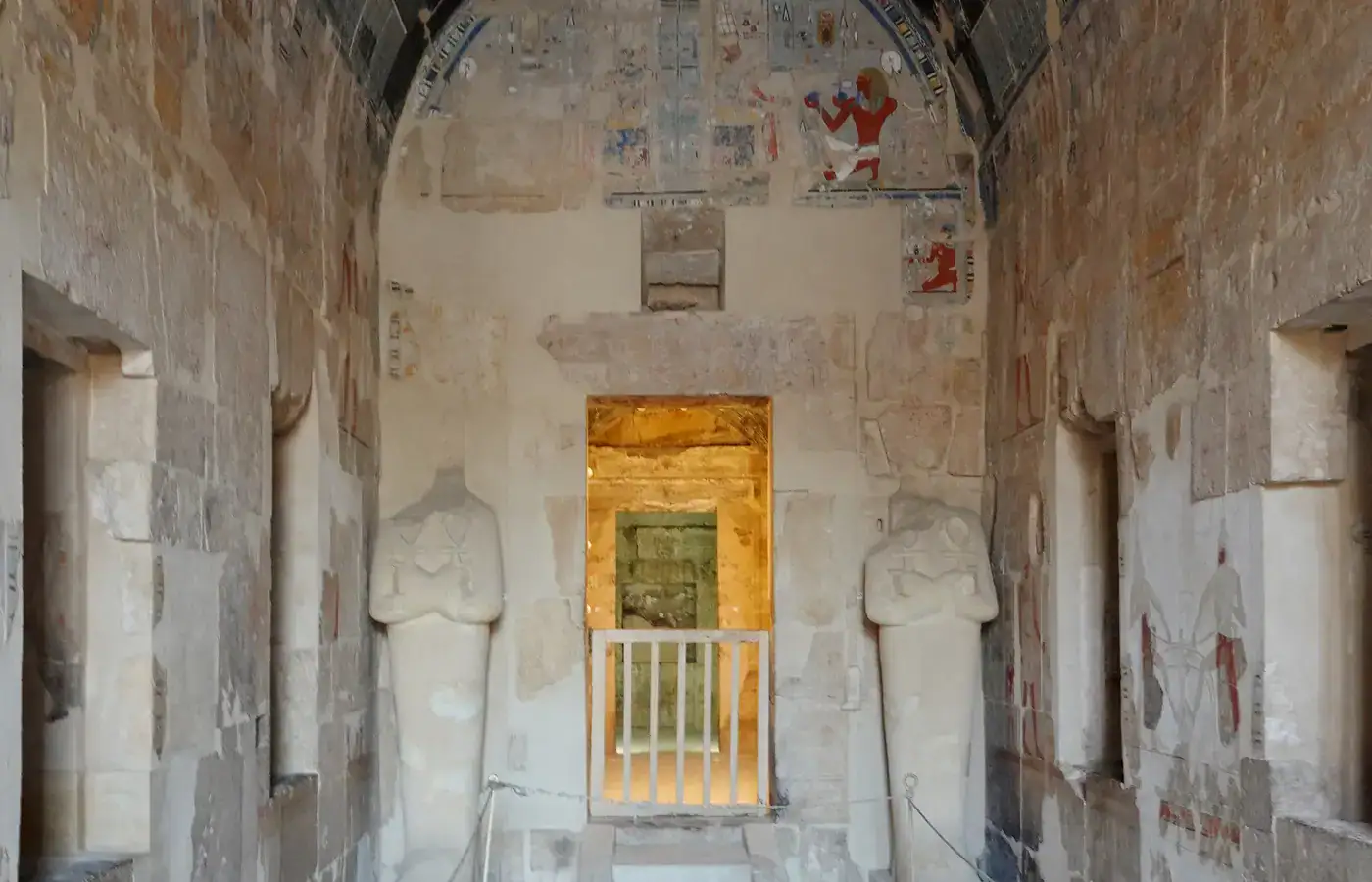
Above all, the upper terrace contains the Main Sanctuary of Amun-Re. In addition, the sacred rooms extend into the cliff and once received the god’s portable barque during festival processions.
Hatshepsut Temple, Karnak & the Beautiful Festival of the Valley
During the Beautiful Festival of the Valley, priests carried Amun’s sacred barque from Karnak Temple across the Nile to the west bank. Then, the procession visited royal memorial temples and renewed bonds between the living, the dead and the gods.
As a result, Hatshepsut’s sanctuary formed an important destination within that ceremonial landscape. Therefore, the temple operated as an active religious institution, not merely as a tomb or static memorial.
In addition, daily offerings sustained the cults of Amun-Re and the deceased ruler. Together, priests, storerooms, chapels and processional routes supported this ritual programme.
Hatshepsut Temple Destruction, Rediscovery & Restoration
Later in Thutmose III’s reign, workers removed Hatshepsut’s names and images from selected monuments. However, the campaign was neither immediate nor complete, and scholars still debate its political and ritual motives.
Over time, however, rockfalls, reuse and later occupation also changed the site. Nevertheless, surviving architecture and excavated fragments allowed archaeologists to reconstruct much of its original programme.
Since 1961, moreover, the Polish-Egyptian archaeological and conservation mission has studied and restored the complex. Consequently, visitors can now enter areas such as the upper terrace, Solar Cult Complex and Main Sanctuary of Amun-Re.
What to See Inside Hatshepsut Temple
In practice, many visitors photograph the façade and leave too quickly. However, the temple’s strongest historical evidence survives in specific reliefs, chapels and upper-level ritual spaces.
Punt Expedition Portico
For example, look for ships, exotic goods, myrrh trees, houses and people from Punt. These scenes are among the most detailed records of a foreign expedition in pharaonic art.
Divine Birth Scenes
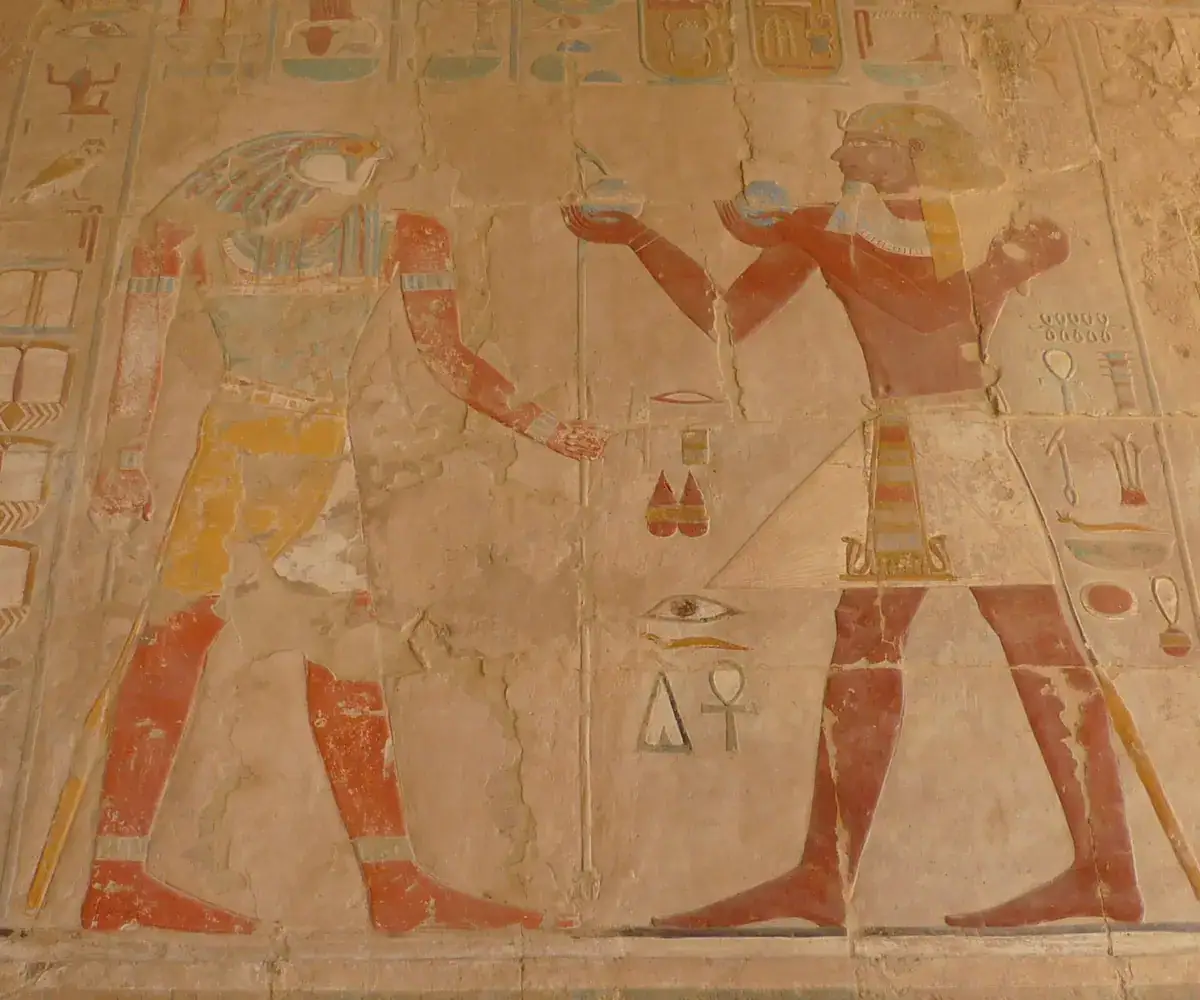
Likewise, these reliefs present Amun as Hatshepsut’s divine father, reinforcing her right to rule through sacred ancestry.
Hathor Chapel
Next, notice the Hathor-faced capitals and the chapel’s close relationship with the sacred landscape of the western cliffs.
Anubis Chapel
Meanwhile, fine painted reliefs preserve ritual offerings and the funerary symbolism of Anubis, protector of the dead.
Upper Terrace
Above all, Osiride statues of Hatshepsut line the upper level, creating one of the temple’s most powerful royal images.
Sanctuary of Amun-Re
Finally, the temple’s central axis leads into rock-cut chambers that received Amun’s portable barque during festival rituals.
Hatshepsut Temple Gallery
Visiting Hatshepsut Temple: Hours, Tickets & Best Time
Visit Early Morning
Shade is limited; therefore, early light offers cooler temperatures and clearer photographs.
Allow 1.5–2 Hours
Include time for the terraces, chapels, reliefs and the walk from the visitor entrance.
Luxor West Bank
Pair the temple with the Valley of the Kings, Medinet Habu or the Tombs of the Nobles.
Check Current Hours
However, opening times, accessible areas and ticket prices may change, especially around holidays.
Hatshepsut Temple Tickets, Opening Hours & Practical Details
Currently, the Ministry of Tourism and Antiquities lists daily opening from 6:00 AM to 5:00 PM. However, ticket prices and access rules can change, so always confirm the official listing before travel.
| Visitor Detail | Current Guidance |
|---|---|
| Opening hours | 06:00 AM–05:00 PM, subject to official changes |
| Foreign adult ticket | EGP 440 on the current official listing |
| Foreign student ticket | EGP 220 on the current official listing |
| Recommended visit | 1.5–2 hours |
| Best time | Early morning for cooler weather and softer light |
| Combine with | Valley of the Kings, Deir el-Medina, Medinet Habu or Tombs of the Nobles |
Hatshepsut Temple Map & Location in Luxor
Deir el-Bahari, Luxor West Bank
To begin with, cross to Luxor’s west bank. Afterwards, follow the road toward Deir el-Bahari beneath the Theban cliffs.
Coordinates:
25.7382° N, 32.6064° E
Hatshepsut Temple FAQ: Essential Visitor Questions
Walk through Hatshepsut’s Legacy
Finally, climb the ceremonial terraces, examine the Punt reliefs and discover how one of Egypt’s most remarkable pharaohs shaped stone, ritual and landscape into an enduring masterpiece.