

Tombs of the Nobles in Luxor
Tombs of the Nobles in Luxor
Moreover, beyond the royal valleys, painted chapels preserve harvests, banquets, foreign embassies and family memories. As a result, the Tombs of the Nobles in Luxor reveal ancient Egypt through the people who helped govern it.

The Other Side of Thebes
Human Stories in the Tombs of the Nobles in Luxor
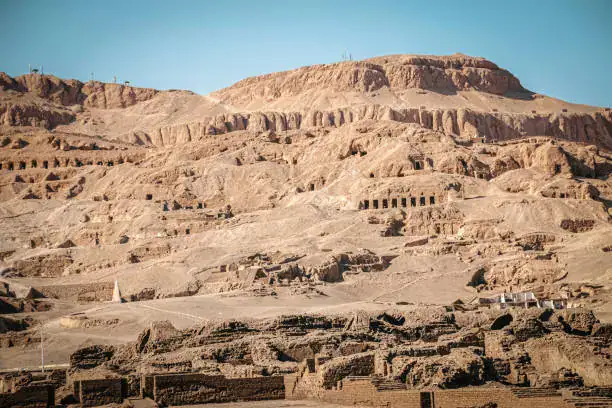
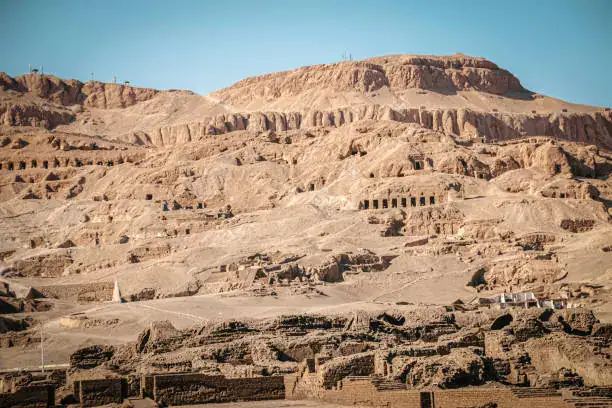
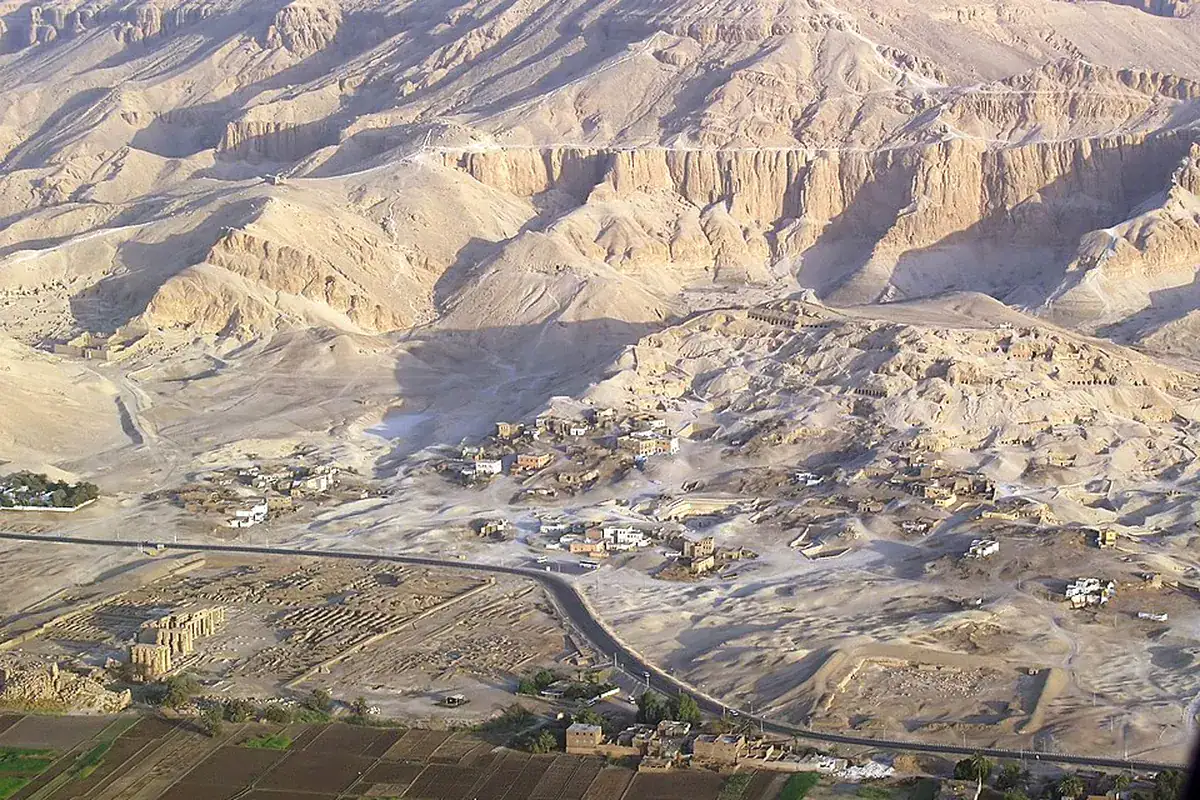
To begin with, the Tombs of the Nobles in Luxor belong to the wider Theban Necropolis on the Nile’s west bank. Instead of forming one enclosed valley, these private monuments are spread across cemeteries such as Sheikh Abd el-Qurna, el-Khokha, Dra Abu el-Naga, Qurnet Murai and el-Assasif.
Moreover, most of the celebrated painted tombs open to travellers were created for New Kingdom officials. For example, their owners included viziers, mayors, priests, royal scribes, estate managers and administrators. Consequently, their walls move beyond royal funerary theology to show work, food, music, gardens, workshops and international diplomacy.
At the same time, these monuments were both burial places and cult chapels. In this way, visitors brought offerings, spoke the owner’s name and helped maintain the bond between the living and the dead.
Architecture and Meaning
Architecture of the Theban Noble Tombs
In fact, a noble’s tomb connected public remembrance above with a protected burial below. However, although plans vary, several elements appear repeatedly.
Courtyard and Façade
First, the approach separated the monument from the surrounding hillside and introduced the owner through inscriptions and titles.
Offering Chapel
Next, relatives and priests could enter the decorated rooms to present food, burn incense and perform rites for the deceased.
Painted Biography
Meanwhile, scenes transformed the owner’s career, household and ideal life into an eternal visual record.
Burial Shaft
Finally, a shaft or descending passage led to chambers intended for the body and funerary equipment, usually away from the public chapel.
Six Remarkable Monuments
Notable Tombs of the Nobles in Luxor
Above all, each tomb has its own artistic voice. Moreover, access changes, so treat this selection as a guide to the necropolis rather than a promise that every monument will be open.
 TT100 · Sheikh Abd el-Qurna
Rekhmire
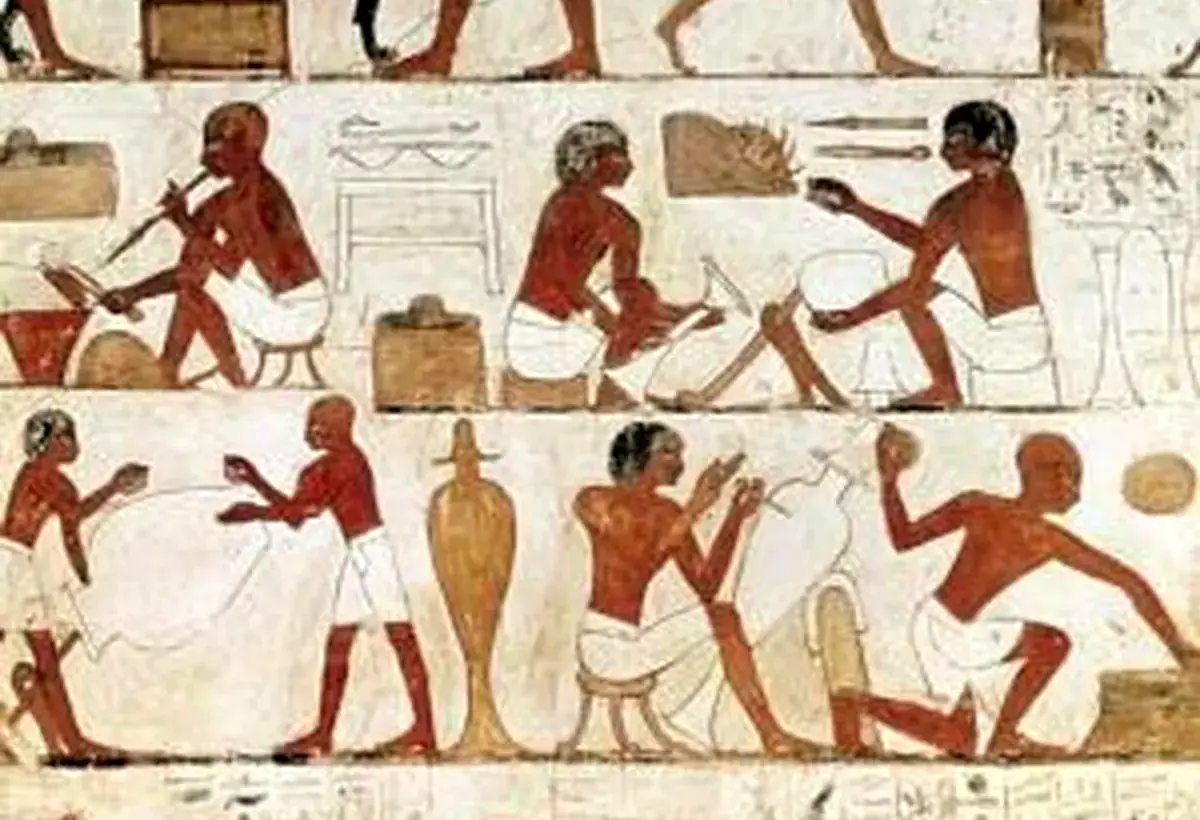
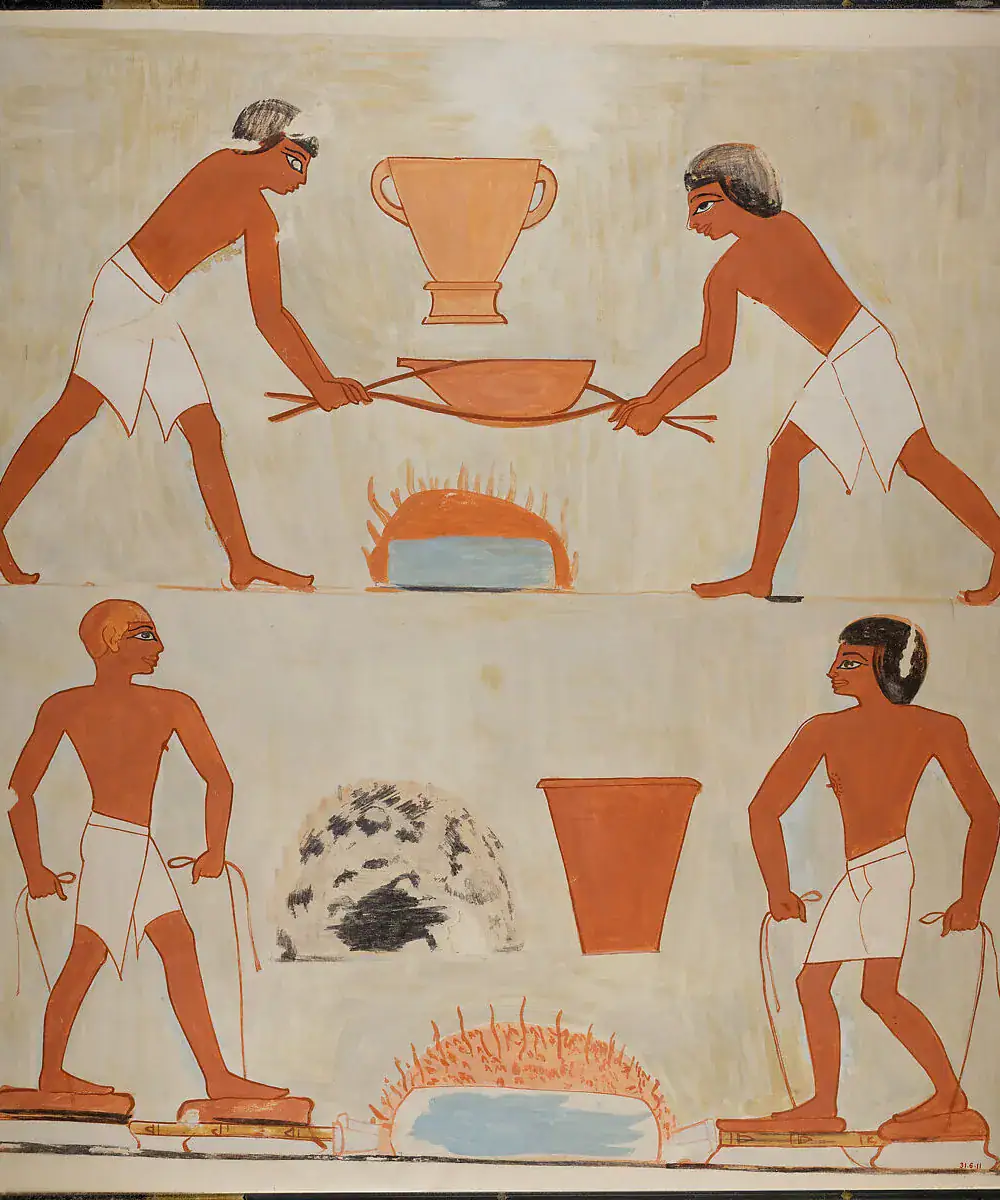
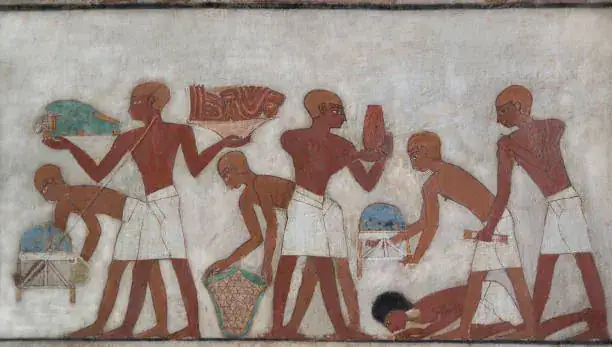
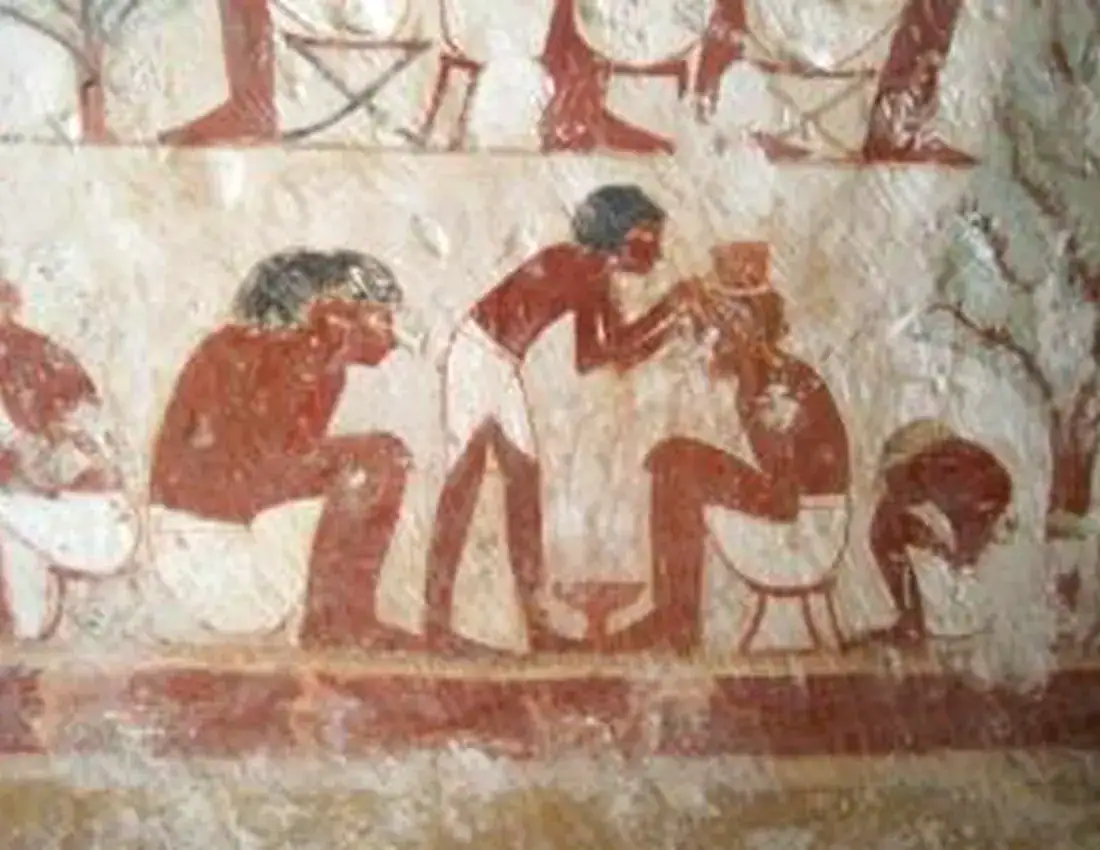
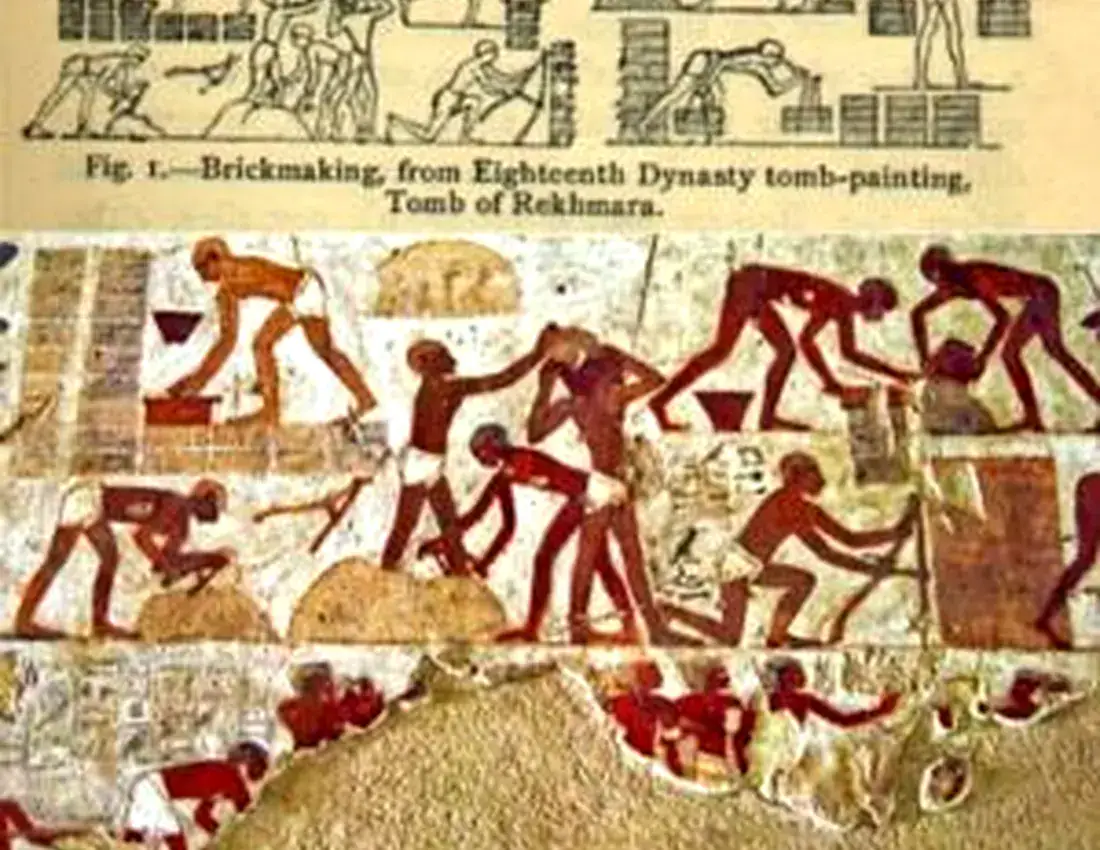
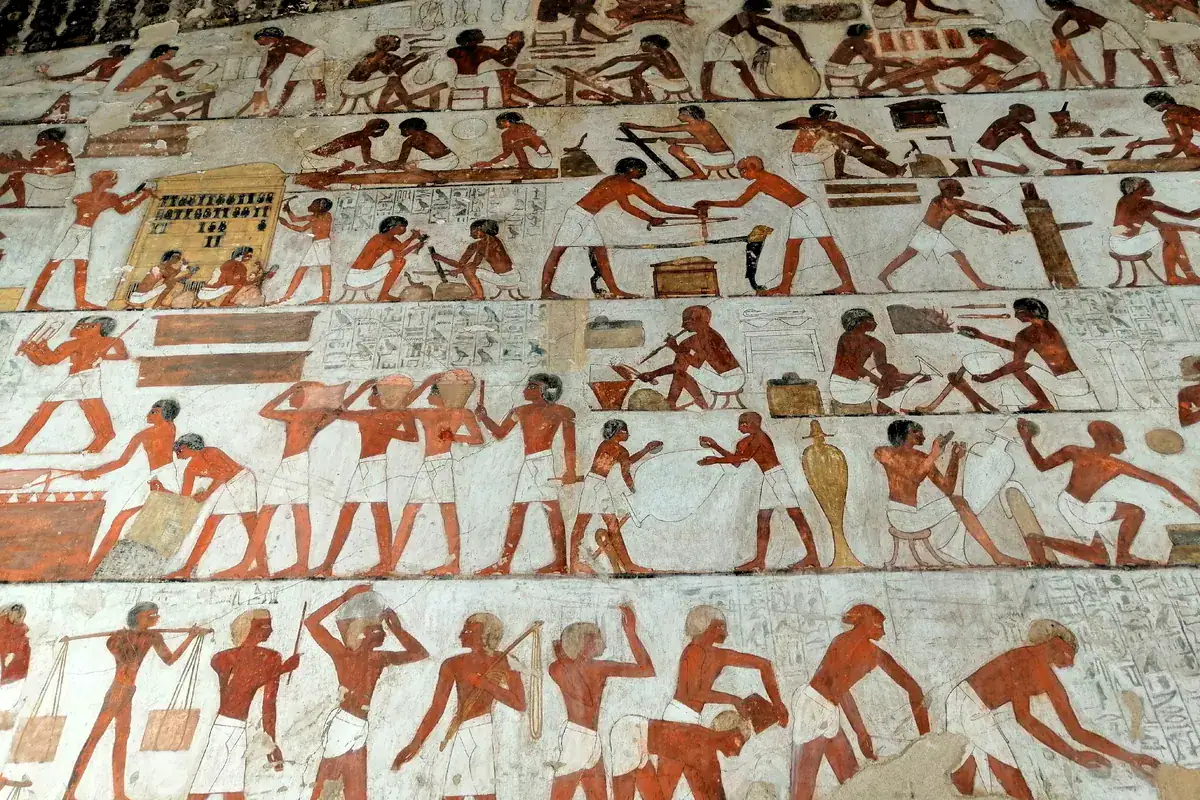
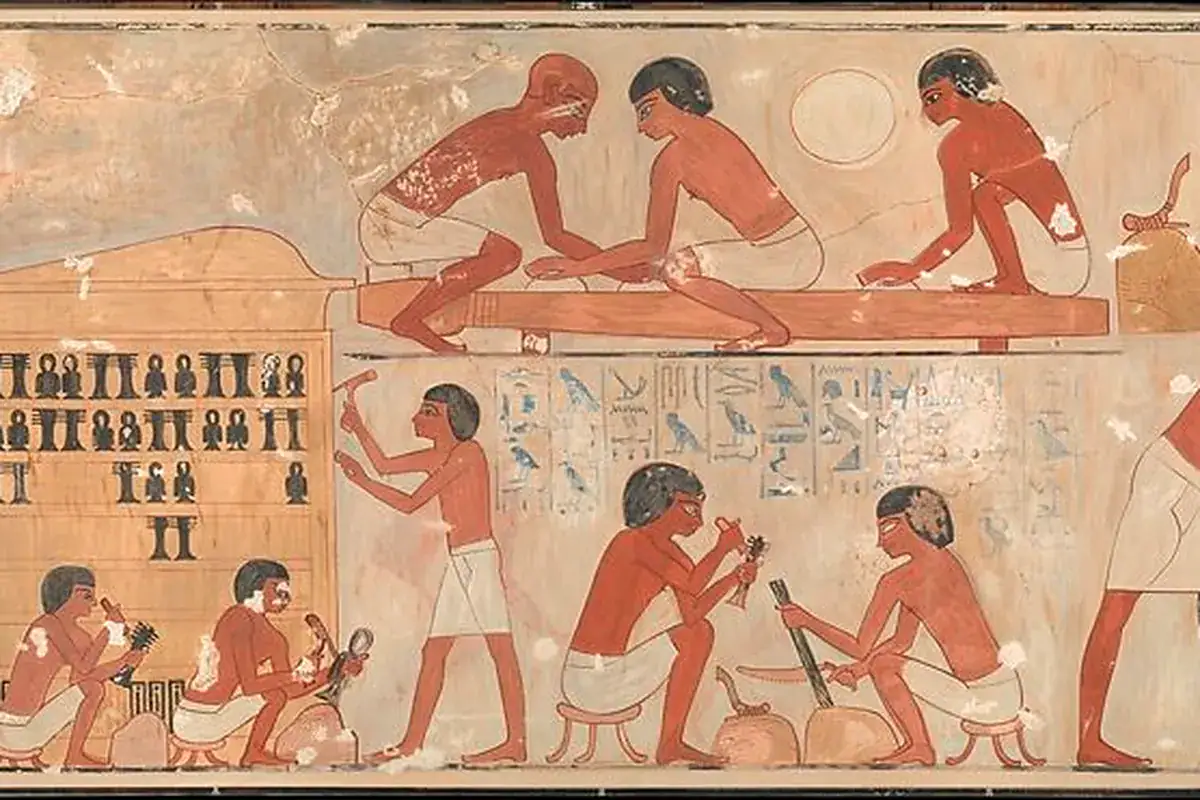
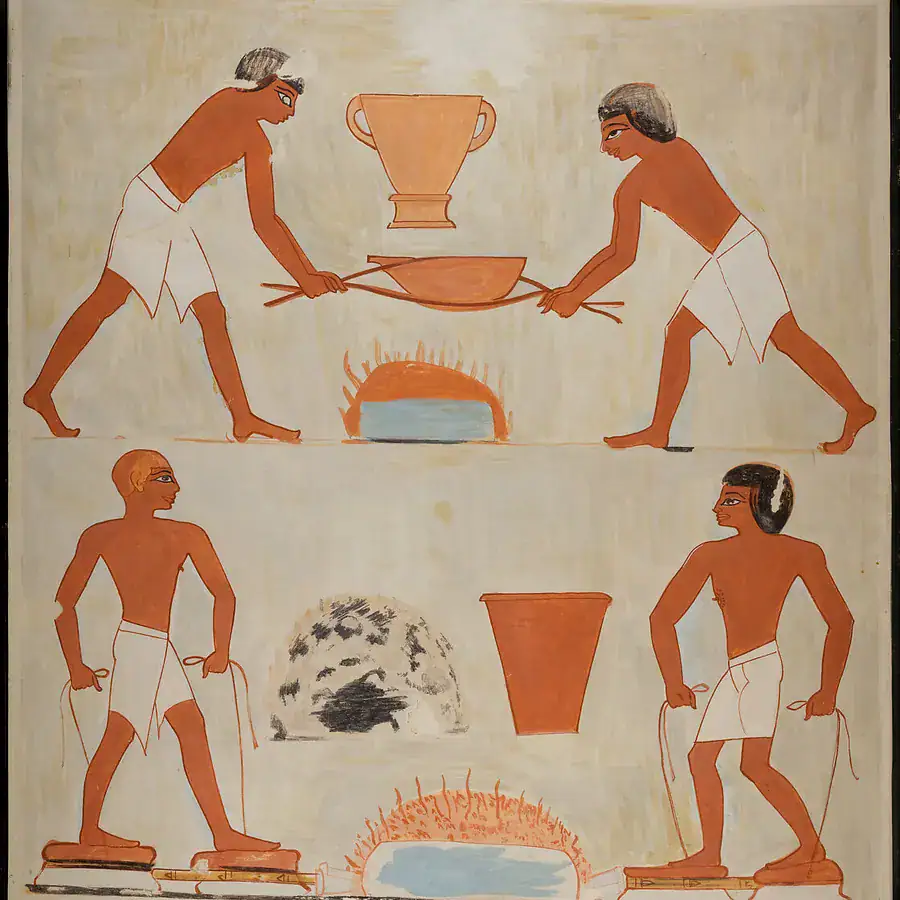
To begin with, Rekhmire served as vizier under Thutmose III and Amenhotep II. Furthermore, his chapel is an extraordinary record of government: officials present taxes, foreign delegations bring tribute, and specialised workers produce metalwork, leather, sculpture and mud bricks.
In addition, the decoration includes a long text describing the vizier’s duties and a detailed sequence of the Opening of the Mouth ritual. Therefore, TT100 is essential for understanding both administration and funerary belief.
Notice the Aegean emissaries and busy workshops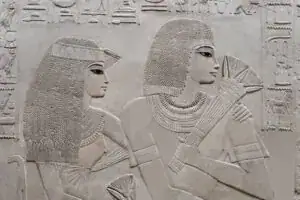 TT55 · Sheikh Abd el-Qurna
Ramose
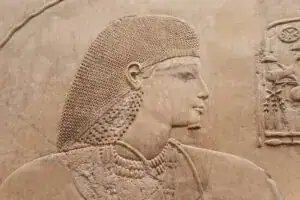
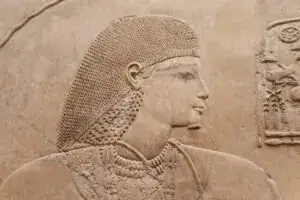
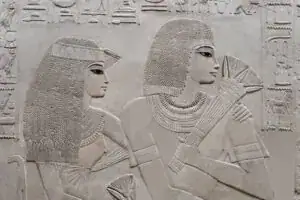
By contrast, Ramose was vizier and governor of Thebes at the end of Amenhotep III’s reign and the beginning of Amenhotep IV’s. His unfinished chapel captures a rare artistic turning point between traditional Theban elegance and the emerging Amarna style.
Furthermore, finely carved, largely unpainted family portraits contrast with expressive painted mourners. Elsewhere, Amenhotep IV and Nefertiti reward Ramose beneath the rays of the Aten.
Study the extraordinary faces carved in low relief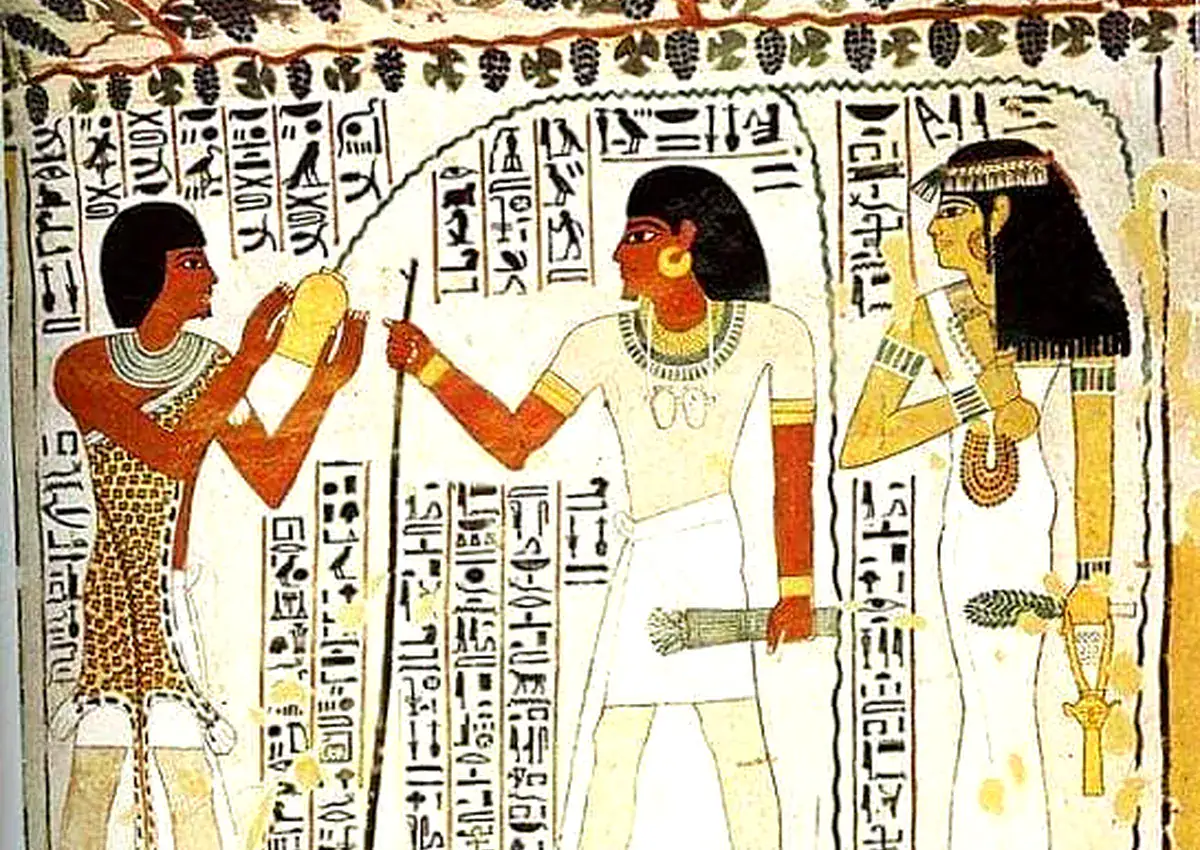 TT96 · Sheikh Abd el-Qurna
Sennefer
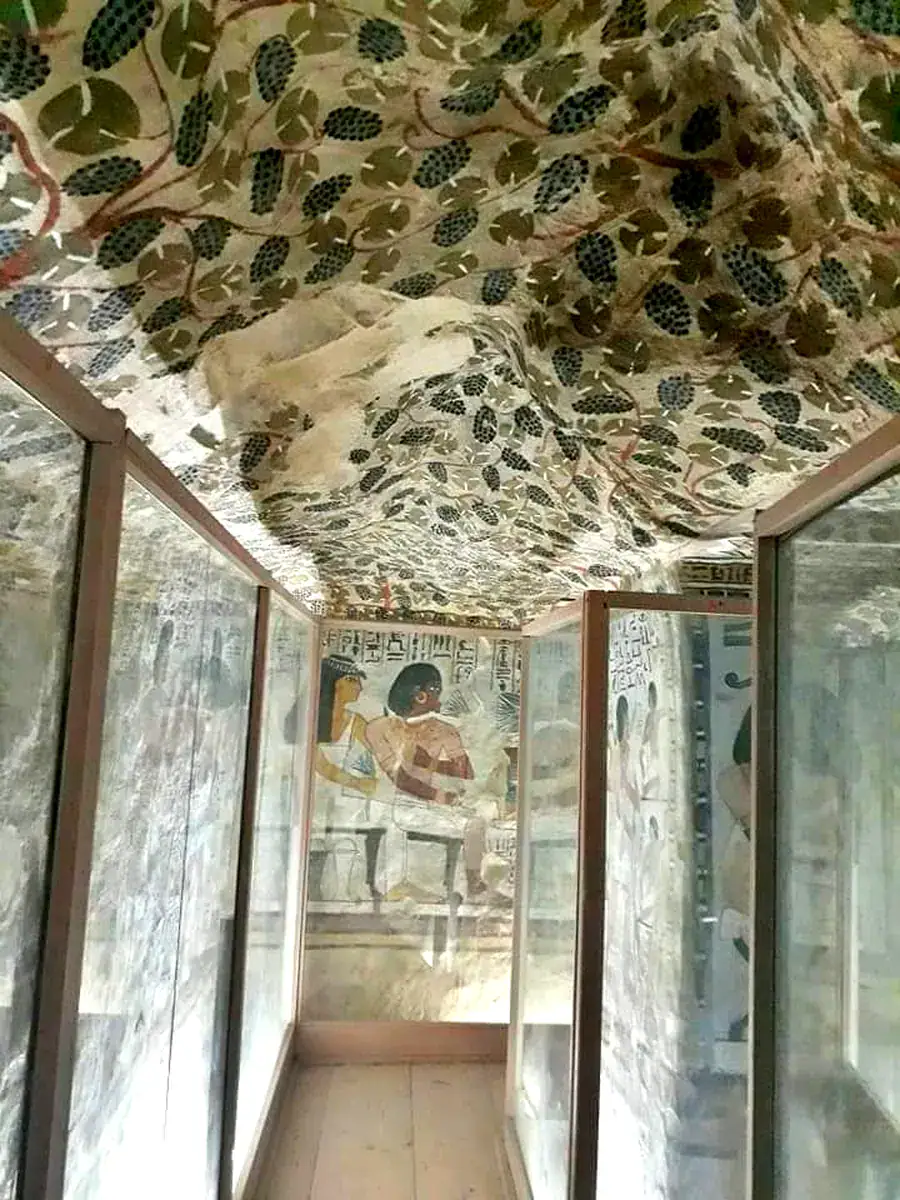
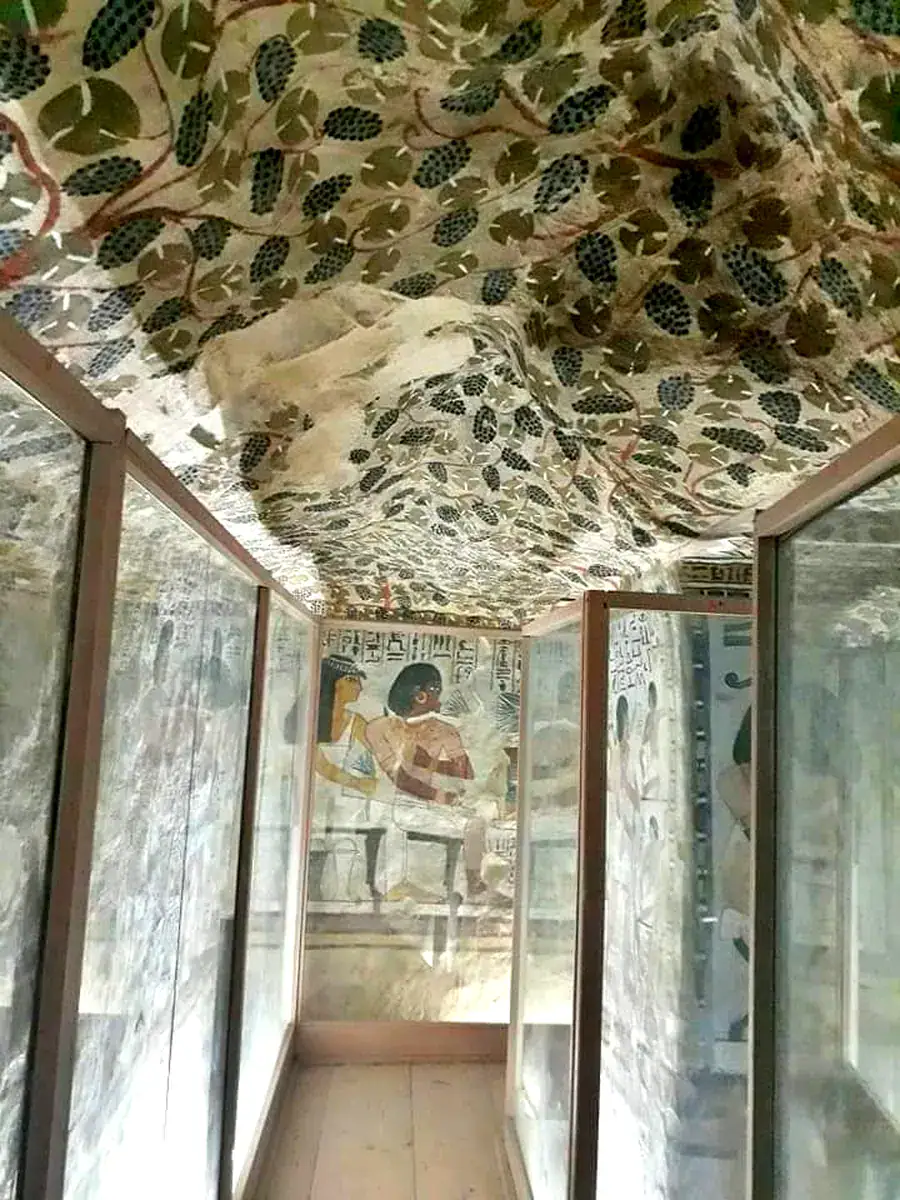
Similarly, Sennefer, mayor of Thebes during the reign of Amenhotep II, held important responsibilities over estates and gardens connected with Amun. For this reason, TT96 is popularly called the “Tomb of the Vines.”
Above all, its lower chambers are famous for an uneven ceiling painted with looping vines and heavy grape clusters. The irregular rock surface makes the vineyard feel almost alive above scenes of Sennefer and his wife Meryt.
Above you, the ceiling becomes the masterpiece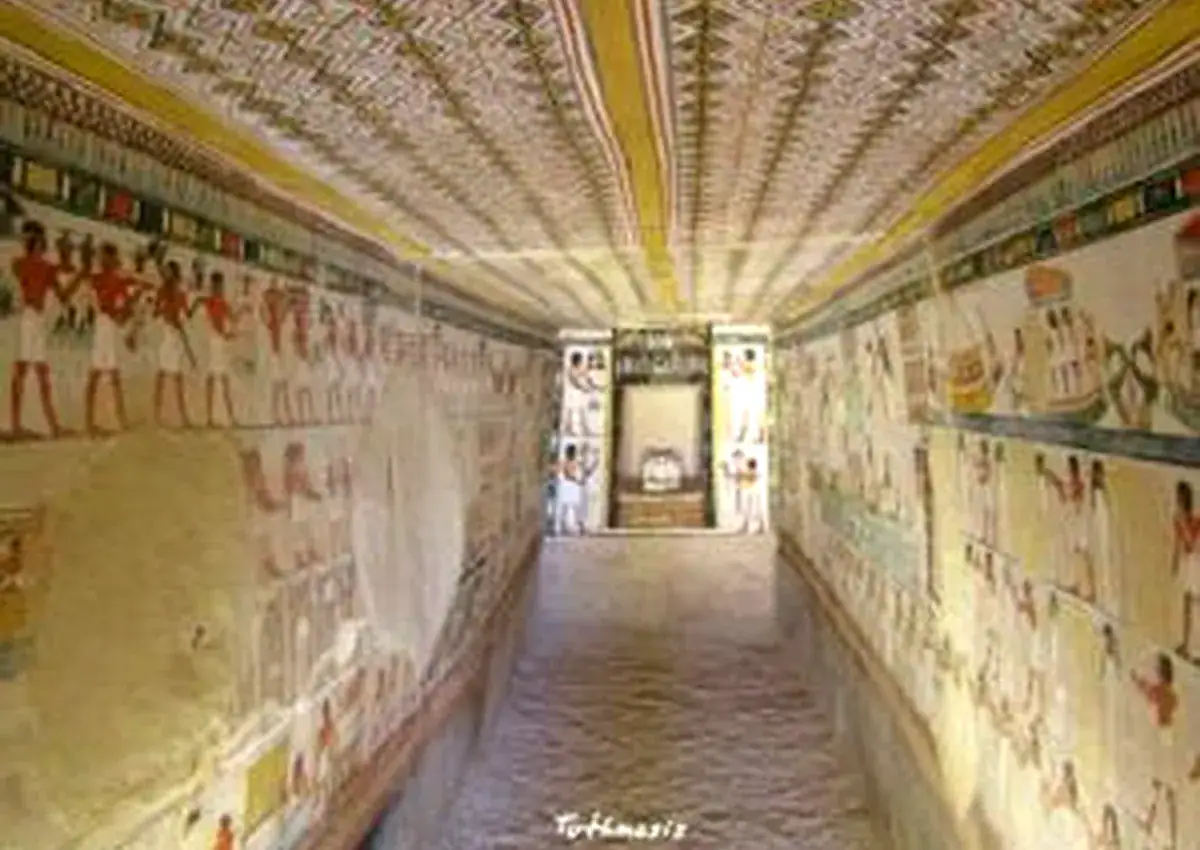 TT69 · Sheikh Abd el-Qurna
Menna
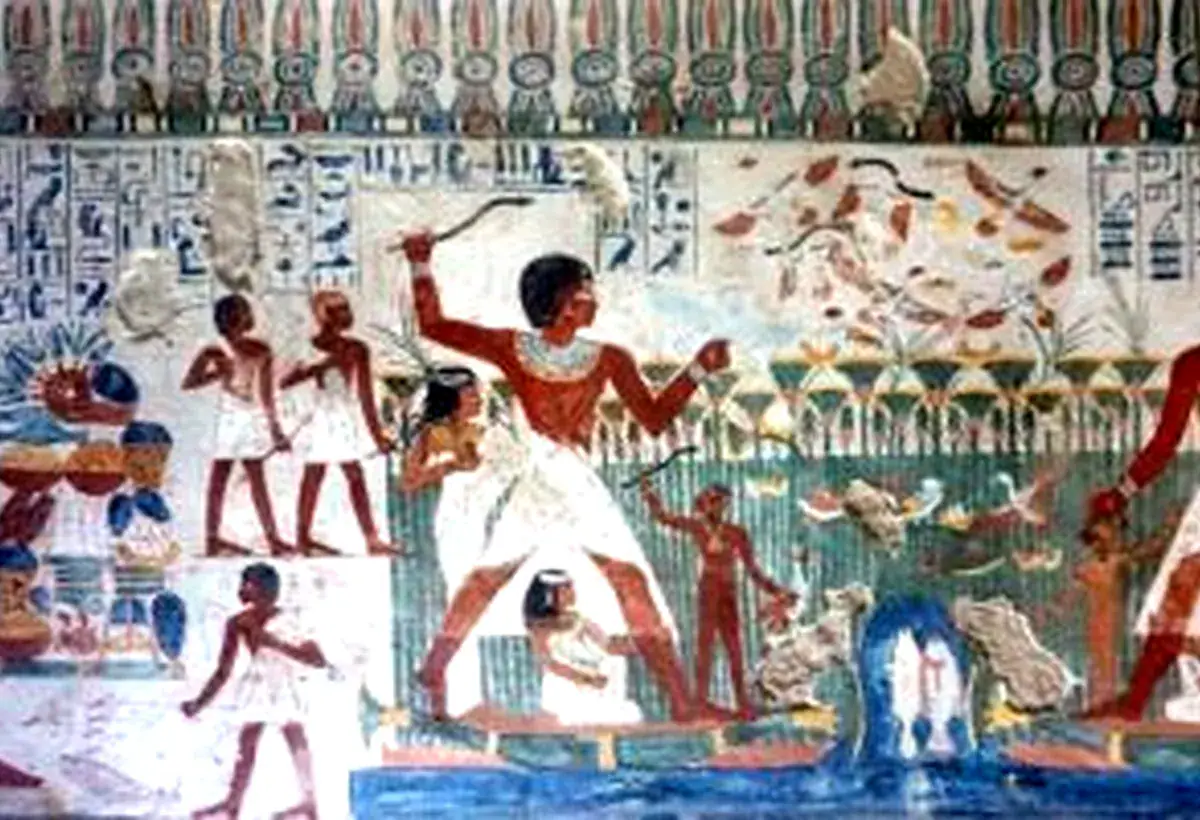
In addition, Menna supervised fields belonging to Amun during the Eighteenth Dynasty. Consequently, his compact chapel turns agricultural management into one of ancient Egypt’s most memorable painted narratives.
For example, surveyors stretch a measuring rope, scribes record the yield, farmers harvest grain and boats carry produce. Fishing, fowling and pilgrimage scenes then connect earthly abundance with rebirth.
Notice Menna’s damaged face and the vivid wildlife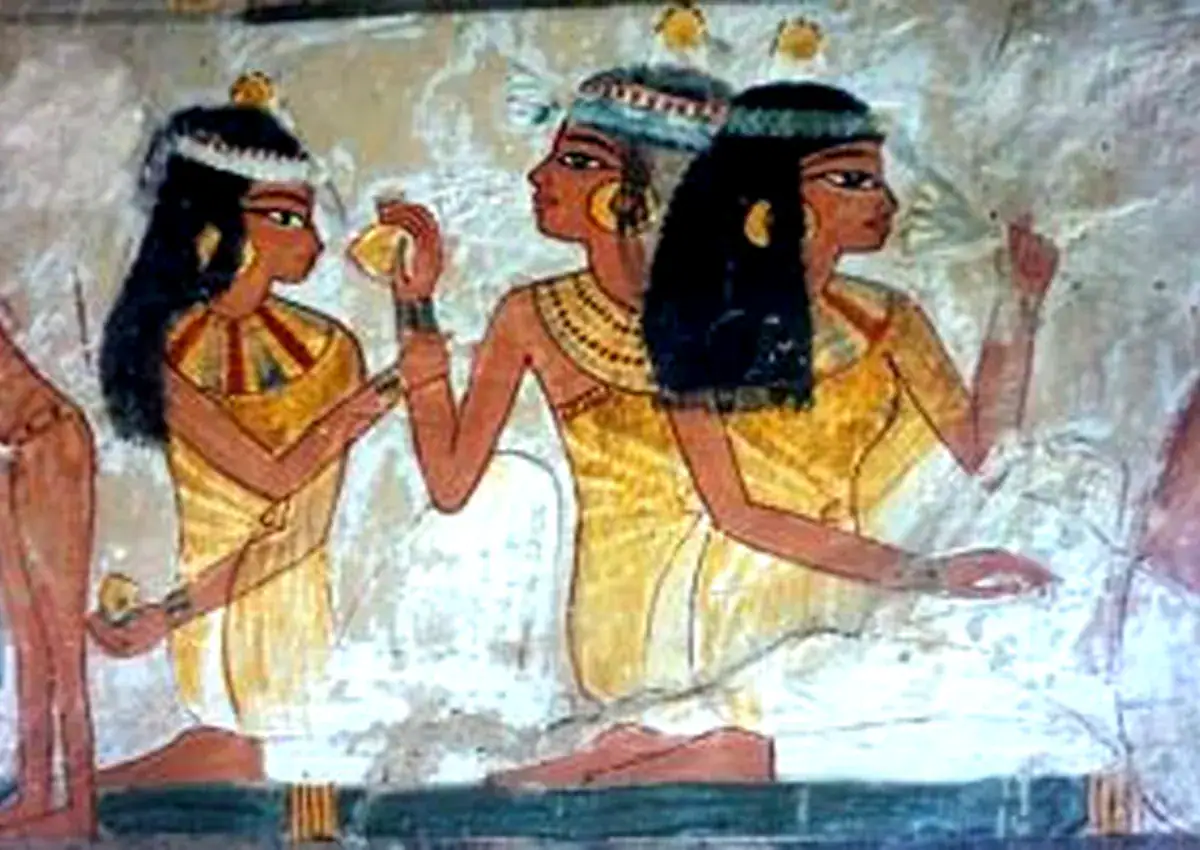 TT52 · Sheikh Abd el-Qurna
Nakht
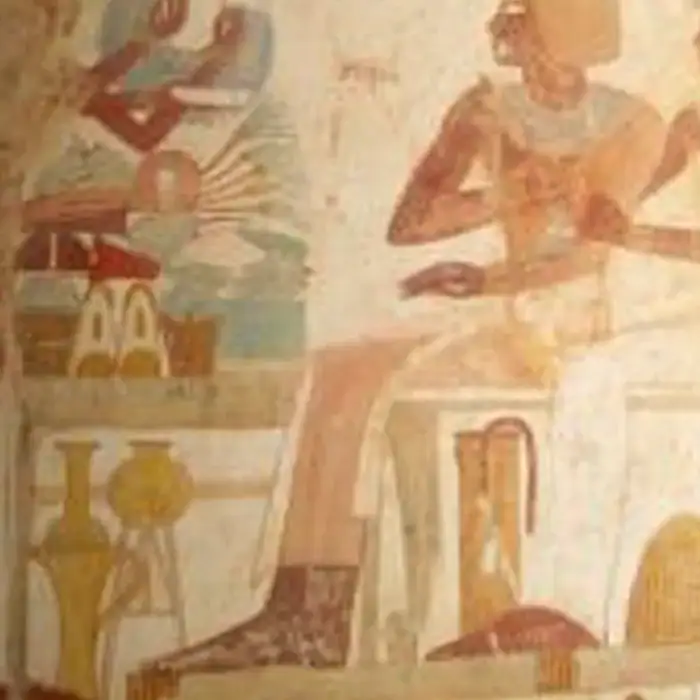
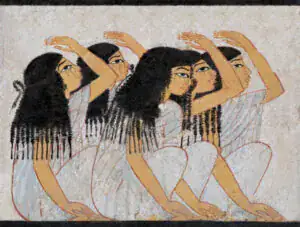
Meanwhile, Nakht was a scribe and “astronomer of Amun,” a priestly role connected with observing ritual time. Nevertheless, although only part of his chapel survives, its paintings are celebrated for their balance, colour and intimate detail.
As a result, harvest scenes face an elegant banquet where women play harp, lute and double pipes. Together, work and celebration created an ideal world that could continue forever.
Do not miss the celebrated trio of female musicians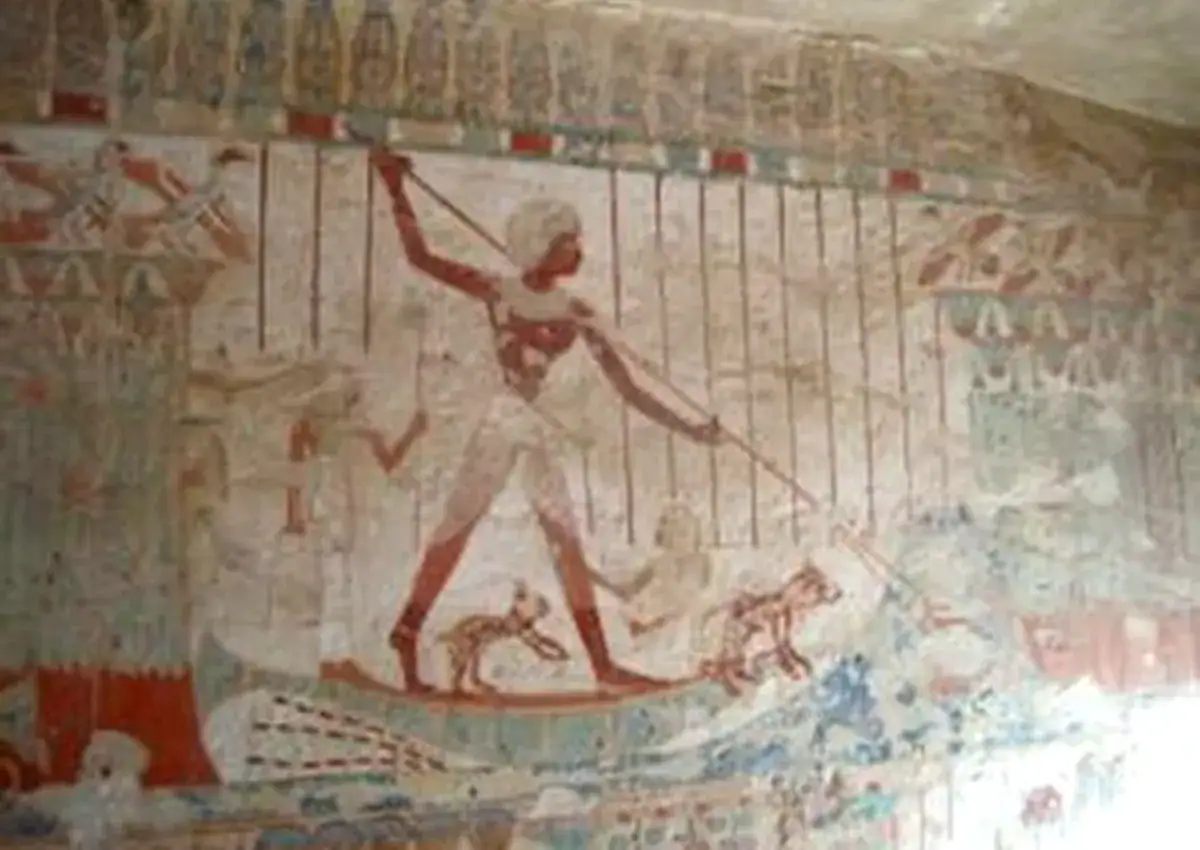 TT56 · Sheikh Abd el-Qurna
Userhat
Finally, Userhat was a royal scribe during the reign of Amenhotep II. At the same time, TT56 combines scenes of official status and outdoor energy with the rituals required for the afterlife.
For instance, a dynamic desert hunt shows Userhat shooting from a chariot, while other walls depict offerings, funerary processions and the deceased before deities. Its warm palette rewards slow observation.
Finally, watch for motion in the chariot-hunting sceneRecording a Fragile Archive
Rediscovering the Theban Tombs of Luxor
In fact, many Theban tombs were known, reused or entered long before modern archaeology. Consequently, “discovery” is rarely a single dramatic moment. Therefore, the more important story is the gradual work of clearing, copying and conserving them.
Over time, tombs were robbed, adapted and sometimes occupied over many centuries.
Later, John Gardner Wilkinson numbered and recorded numerous Theban private tombs.
Subsequently, Norman and Nina de Garis Davies produced meticulous facsimiles that preserve details now damaged or lost.
Today, photography, condition mapping, environmental monitoring and digital models support research and conservation.
Plan Your Visit
How to Visit the Tombs of the Nobles in Luxor
Although the experience is quieter than the major royal sites, yet it needs more planning because tickets and open tomb groups may change.
Go Early
Therefore, morning light and cooler temperatures make the hillside approaches much more comfortable, especially from October to April.
West Bank
In particular, the best-known groups lie around Sheikh Abd el-Qurna, opposite central Luxor and close to other Theban sites.
Check Tickets
Tickets are commonly sold in groups. Therefore, availability, combinations and separate tickets can change for conservation reasons.
Respect the Art
Above all, never touch painted plaster. Moreover, follow current photography rules, avoid flash and keep bags away from the walls.
Location Map
Where Are the Tombs of the Nobles in Luxor?
In particular, this map centres on Sheikh Abd el-Qurna, the main cluster containing Rekhmire, Ramose, Sennefer, Menna, Nakht and Userhat.
Theban Tombs Across Luxor’s West Bank
In other words, “Tombs of the Nobles” is a convenient modern visitor name for private tombs spread through the Theban Necropolis. Therefore, your exact entrance depends on the tomb group shown on your ticket.
Protecting Painted History
Conserving the Tombs of the Nobles in Luxor
For this reason, the art is vulnerable to unstable limestone, salts, dust, vibration, humidity and accidental contact. In addition, earlier repairs sometimes introduced materials that behaved differently from the ancient plaster.
Interactive Art Gallery
Daily-Life Paintings in the Tombs of the Nobles
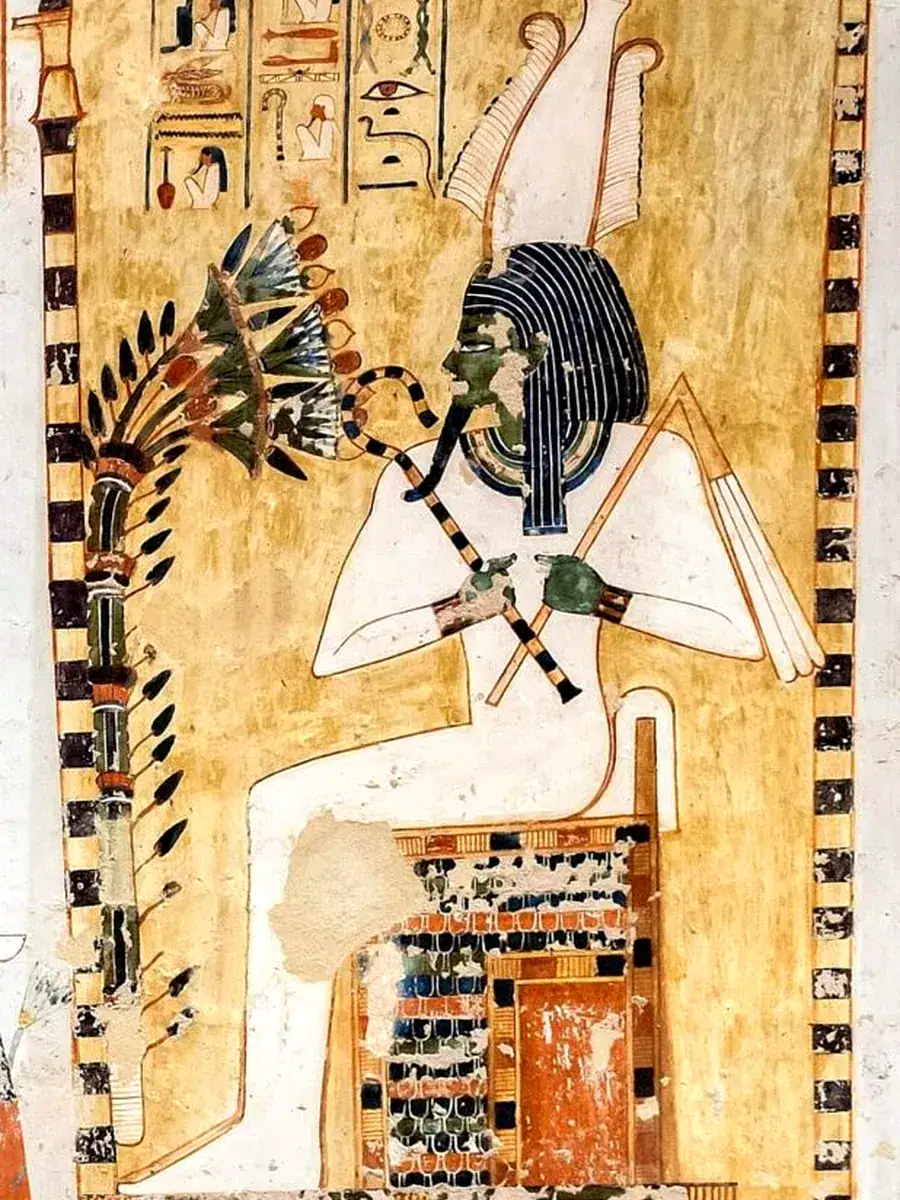
Swipe or use the arrows to explore harvests, music, diplomacy, ritual and rebirth. Select an image to open it at full size.
Continue Exploring Luxor
Continue Exploring Luxor’s Theban Necropolis
Frequently Asked Questions
Tombs of the Nobles in Luxor FAQ
Location, History and Best Tombs
Where are the Tombs of the Nobles in Luxor?
They are, however, distributed across several cemeteries in the Theban Necropolis on Luxor’s west bank. Many famous visitor tombs are concentrated at Sheikh Abd el-Qurna.
Are they the same as the Valley of the Kings?
No. Instead, the Valley of the Kings primarily contains royal burials, whereas the Tombs of the Nobles belonged to officials, priests, scribes and other elite individuals.
Why are their paintings so important?
In addition, they preserve exceptionally detailed scenes of agriculture, crafts, music, banquets, foreign tribute, funerals and religious practice, offering evidence that royal tombs rarely show.
Which noble tombs should I visit?
Rekhmire, Ramose, Sennefer, Menna, Nakht and Userhat are outstanding choices. However, open tombs and ticket groups change, so confirm availability locally.
Planning Your Visit
How long does a visit take?
Generally, allow about two hours for one or two ticket groups. Add more time if you want to walk slowly, study the paintings or combine the area with nearby West Bank monuments.
Can I take photographs inside?
Photography rules can change. Follow the current signs and staff instructions, never use flash where it is prohibited, and do not touch the walls.
Are the tombs suitable for everyone?
Some approaches are uneven, and certain tombs include steps, low spaces or warm interiors. Comfortable shoes, water and sun protection are recommended.
Historical scope and World Heritage context checked against UNESCO’s Ancient Thebes documentation and specialist museum and conservation resources. Visitor operations remain subject to local changes.
Image credits: Valley of the Nobles aerial photography © Fanny Schertzer / CC BY-SA 4.0 and © Raimond Spekking / CC BY-SA 4.0 via Wikimedia Commons. Rekhmire craftsmen photograph © Bryan Keith / CC BY-SA 4.0 via Wikimedia Commons. Rekhmire facsimiles from The Metropolitan Museum of Art Open Access, Public Domain. Images resized and cropped for web display.
Meet the People Behind Ancient Thebes
Finally, explore the painted stories with a private Egyptologist guide and a comfortable West Bank itinerary.