

Explore Cairo: Ancient Wonders & Modern Charm
Cairo tours reveal a city where pharaonic monuments, medieval lanes, Nile sunsets and contemporary Egyptian life meet in one unforgettable destination. Moreover, every district adds another layer to the journey.
Why Cairo belongs on every Egypt itinerary
The city is not simply a stop beside the Pyramids. Instead, it is a vast, layered capital shaped by ancient Memphis, Roman fortifications, Coptic churches, Islamic dynasties and modern neighborhoods along the Nile. Travelers can stand before the Great Sphinx in the morning, explore centuries-old mosques in the afternoon and finish the day aboard a felucca at sunset.
Greater Cairo also includes Giza and the major pyramid fields of Saqqara and Dahshur. Therefore, a well-planned visit combines archaeological sites with Old Cairo, Downtown, local cuisine, museums, gardens and markets.
From pyramid fields to minarets and the Nile
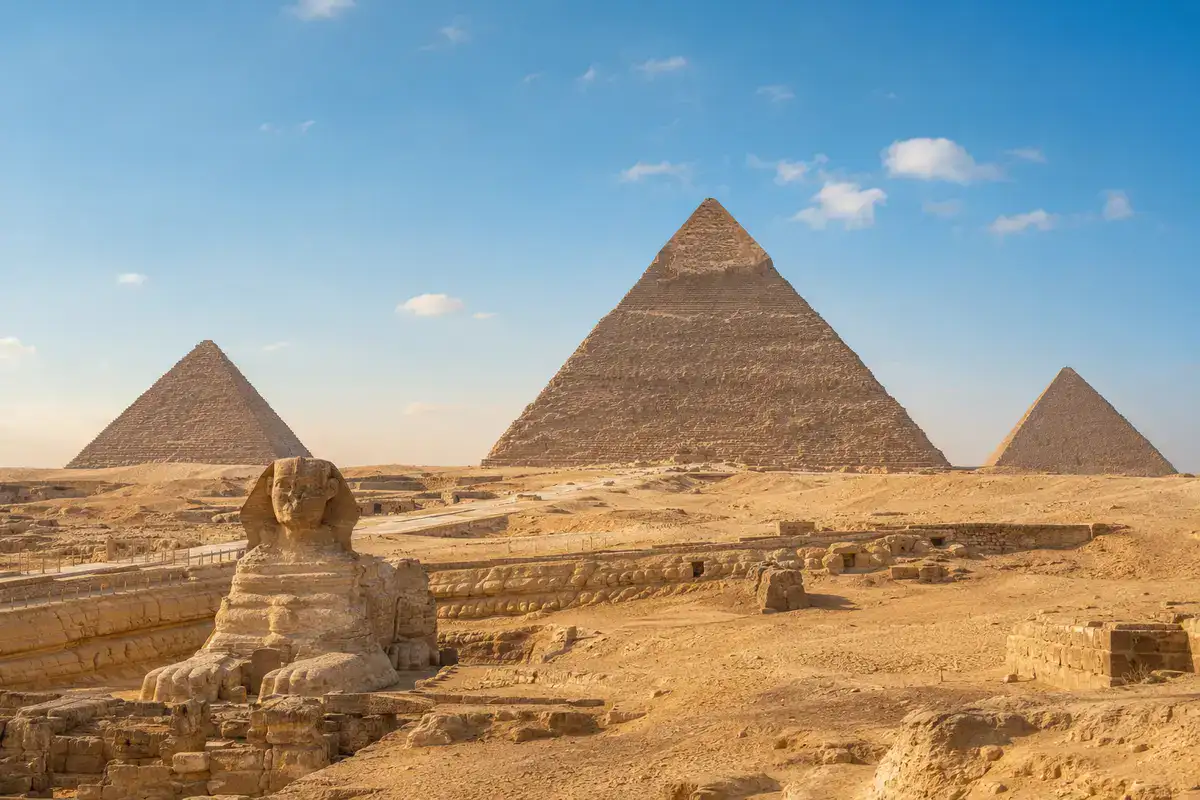
Pharaonic legacy
Discover Giza, Saqqara, Memphis and Dahshur—the monuments that transformed ancient Egyptian architecture.
Visit the Pyramids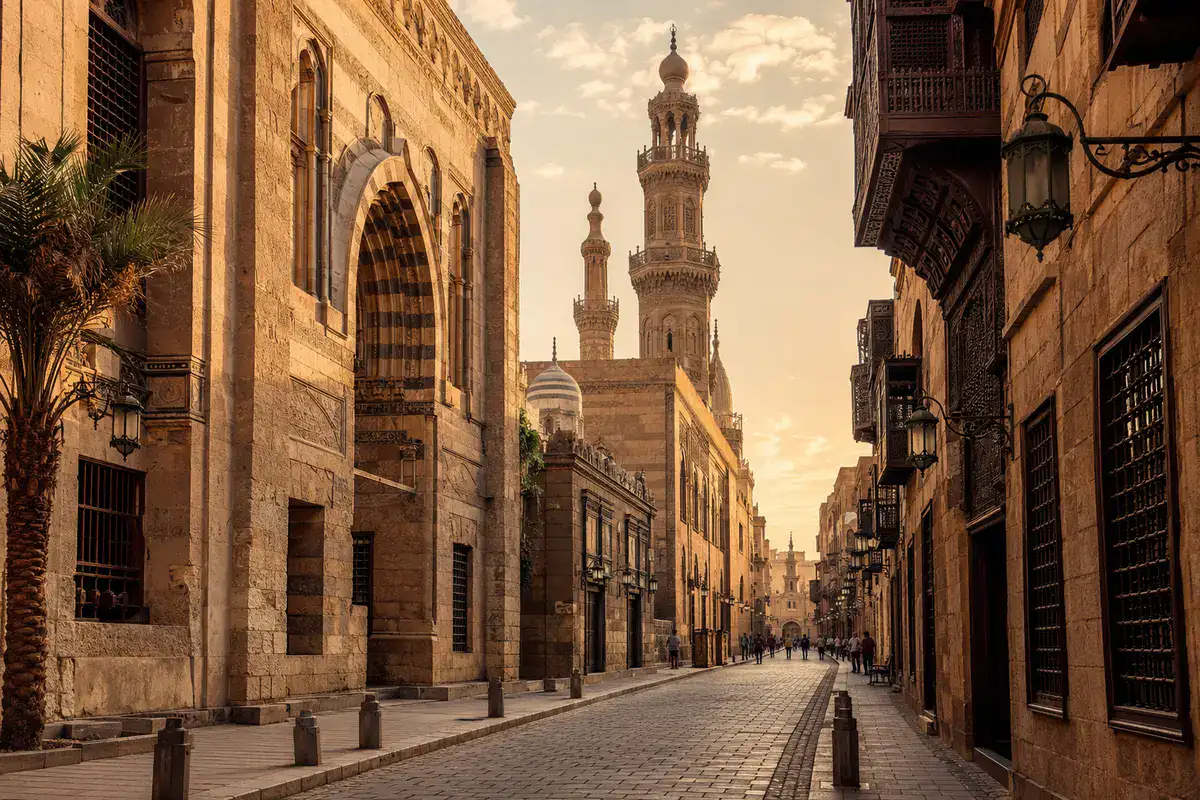
Historic quarters
Meanwhile, walk through monumental gates, mosques, madrasas and lively souqs shaped by more than a thousand years.
Explore the UNESCO district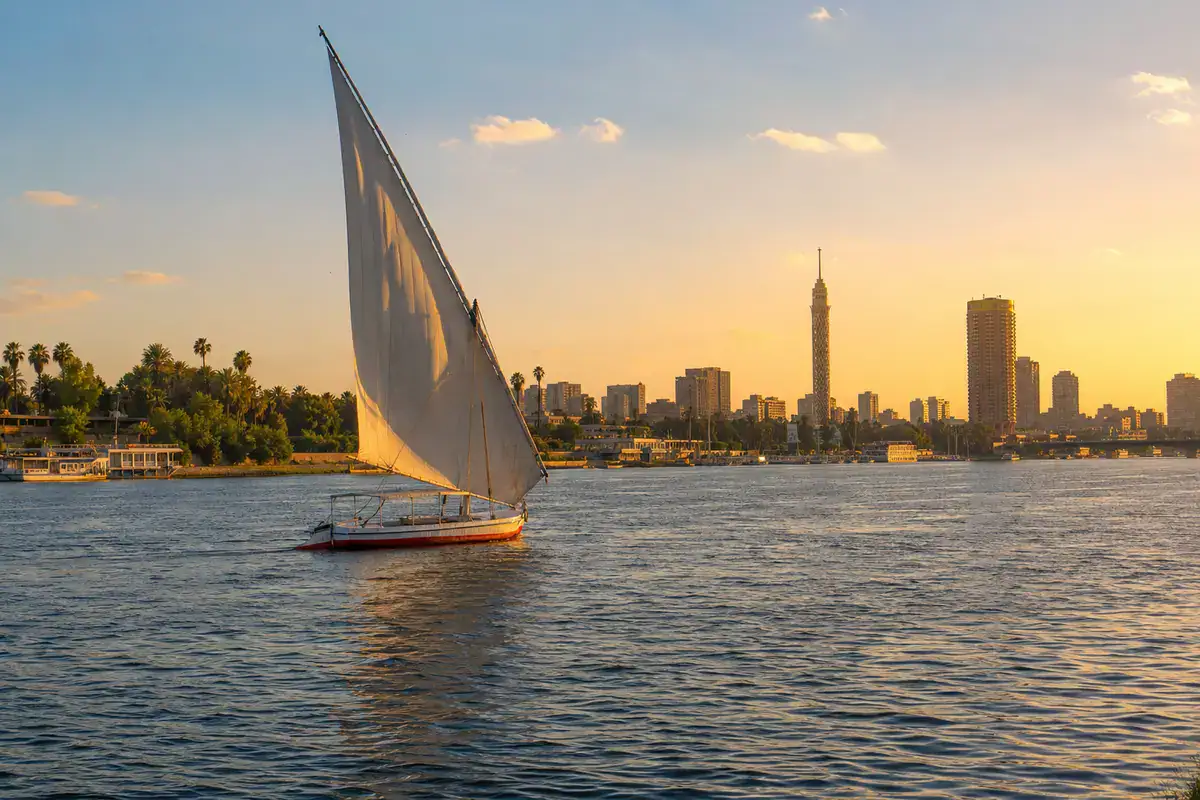
Life on the Nile
Finally, sail in a traditional felucca, enjoy skyline views and experience the capital at its most peaceful.
Discover Nile felucca ridesTop attractions in Cairo and Giza
These landmarks form the foundation of a first visit. Opening arrangements and ticket rules can change, so confirm current details before travel.
Ancient landmarks
- The Pyramids of Giza — the last surviving Wonder of the Ancient World and the capital’s defining sight.
- The Egyptian Museum — an extraordinary collection of pharaonic art in historic Tahrir Square.
- Saqqara — home of Djoser’s Step Pyramid, decorated tombs and monuments spanning many dynasties.
- Memphis — remains of Egypt’s ancient capital, including monumental royal sculpture.
- Dahshur — the Bent and Red Pyramids reveal the development of true pyramid construction.
Islamic architecture
- Salah El Din Citadel — a commanding medieval fortress with wide views across the capital.
- Mohamed Ali Mosque — the city’s celebrated Ottoman-style mosque within the Citadel.
- Ibn Tulun Mosque — one of Egypt’s oldest surviving mosques, known for its vast courtyard.
- Al-Muizz Street — a remarkable open-air collection of medieval Islamic monuments.
Culture and local life
- Khan El Khalili Bazaar — historic lanes filled with workshops, cafés, spices, lamps and souvenirs.
- Al-Azhar Park — landscaped gardens and excellent views of the historic skyline.
- Cairo Opera House — a major venue for music, dance and performing arts.
- Cairo Tower — a panoramic viewpoint on Gezira Island overlooking the Nile.
Coptic Cairo
- Explore Coptic Heritage — visit the Hanging Church, the Coptic Museum and Ben Ezra Synagogue.
- Walk inside the Roman-era Babylon Fortress area, where several important religious sites stand close together.
- Combine Old Cairo with the National Museum of Egyptian Civilization for a broader historical story.
Best things to do in Cairo
Walk through Historic Cairo
Explore gates, minarets, courtyards and historic market streets with a guide.
Discover Coptic Cairo
Trace early Christian heritage inside one of the city’s most historic districts.
A practical 3-day Cairo itinerary
Giza, Sphinx & museum
Begin early on the Giza Plateau. Afterwards, continue to a major Egyptian museum and finish with a relaxed Nile evening.
Saqqara, Memphis & Dahshur
Travel south to understand how pyramid construction developed before the great monuments at Giza.
Citadel, Old Cairo & Al-Muizz
Explore Islamic and Coptic heritage, then enjoy Khan El Khalili and the evening atmosphere of Historic Cairo.
Where to stay, when to visit and how to travel
Where to stay
- Giza: best for pyramid views and early access to the plateau.
- Downtown: convenient for Tahrir Square, museums and historic architecture.
- Zamalek: leafy, central and close to the Nile, restaurants and Cairo Opera House.
- Garden City: suitable for riverfront hotels and central sightseeing.
- New Cairo: modern and quieter, although farther from many historic attractions.
Getting there and around
Most international visitors arrive through Cairo International Airport. However, Sphinx International Airport may also serve selected routes. Trains connect the capital with Alexandria, Luxor and Aswan, while private vehicles and buses link other Egyptian cities.
Inside the city, use pre-arranged transfers, reputable ride-hailing services, the Metro where practical or a private guide and driver for full sightseeing days.
Essential travel tips
- Start outdoor sightseeing early, particularly from May to September.
- Dress modestly at mosques and religious sites; carry a light scarf when useful.
- Confirm photography rules and separate camera tickets at each attraction.
- Keep water, sun protection, small cash and secure copies of documents.
- Allow generous travel time because traffic varies considerably.
- Use agreed prices or metered/reputable transport services.
Food and evenings
Do not leave without trying koshari, taameya, foul, molokhia, grilled kofta and Egyptian bread. Afterwards, look for konafa, basbousa or rice pudding. Evenings can include a Nile sail, a cultural performance, a rooftop overlooking the old city or tea at a traditional café.
| Season | Conditions | Best for |
|---|---|---|
| October–November | Warm days and more comfortable evenings | Balanced sightseeing and outdoor dining |
| December–February | Mild days, cooler nights and peak demand | Long archaeological visits |
| March–April | Pleasant to warm; occasional wind | Culture, gardens and Nile activities |
| May–September | Hot, especially around midday | Early starts, museums and evening experiences |
Location map
Cairo stands on the Nile in northern Egypt. Giza lies to the west, while Saqqara, Memphis and Dahshur extend south along the ancient pyramid fields.
Frequently asked questions about Cairo
How many days do I need in Cairo?
Three days cover the major highlights at a comfortable pace. Four or five days allow more museums, neighborhoods, food experiences and a slower visit to the pyramid fields.
Is Cairo suitable for a first trip to Egypt?
Yes. It provides a powerful introduction to ancient, Coptic, Islamic and modern Egypt. A private guide and planned transfers can make a first visit considerably easier.
Can Giza, Saqqara and Dahshur be visited in one day?
They can be combined with an early start and private transportation. However, travelers who enjoy archaeology may prefer to divide Giza and the southern sites across two days.
What should I wear while sightseeing?
Choose light, comfortable clothing and supportive footwear. Modest dress is appreciated, particularly at religious sites, and sun protection is important throughout much of the year.
Where can I find official Egypt travel information?
General destination information is available through the official tourism portal, Experience Egypt.
Ready to explore Cairo?
Build a private Cairo experience around your interests, schedule and preferred travel style with Yalla Egypt Travel.