
Al-Azhar Park Cairo
Al-Azhar Park Cairo: History, Gardens & Visitor Guide
Discover how a 500-year-old mound of rubble became one of Cairo’s most remarkable green spaces, with Islamic-inspired gardens, panoramic views, the restored Ayyubid wall and a wider story of urban renewal in Historic Cairo.
Cairo’s green lung
Why Al-Azhar Park Is One of Cairo’s Most Important Modern Landmarks
Al-Azhar Park Cairo is a 30-hectare landscaped public park beside the historic district of Darb al-Ahmar. Opened in 2005, it transformed a site used for centuries as a rubble dump into gardens, promenades, water features and viewpoints across Cairo.
However, the project became much more than a park. Led by the Aga Khan Trust for Culture, it also supported the excavation and restoration of Cairo’s medieval Ayyubid wall, conservation work in Darb al-Ahmar and social-development initiatives for the surrounding community.
Why is Al-Azhar Park famous? It combines one of central Cairo’s largest green spaces with exceptional views of Islamic Cairo and the Salah El-Din Citadel, while representing an internationally recognised example of heritage-led urban regeneration.
From rubble mound to public park
The History of Al-Azhar Park Cairo
The origins of the project go back to 1984, when the Aga Khan announced plans to finance a major park for Cairo. The chosen Darassa site was a vast mound of debris beside the historic city, where rubble had accumulated for roughly five centuries.
Transforming the land required enormous engineering work. According to the Aga Khan Development Network, approximately 1.5 million cubic metres of rubble and soil—more than 80,000 truckloads—were moved. The design also had to accommodate three major freshwater reservoirs beneath the site.
After years of planning, excavation, soil treatment, planting and construction, Al-Azhar Park opened in March 2005. Consequently, a neglected edge of Historic Cairo became a major public landscape with direct connections to the city’s architectural heritage.
Landscape architecture
Gardens and Design of Al-Azhar Park
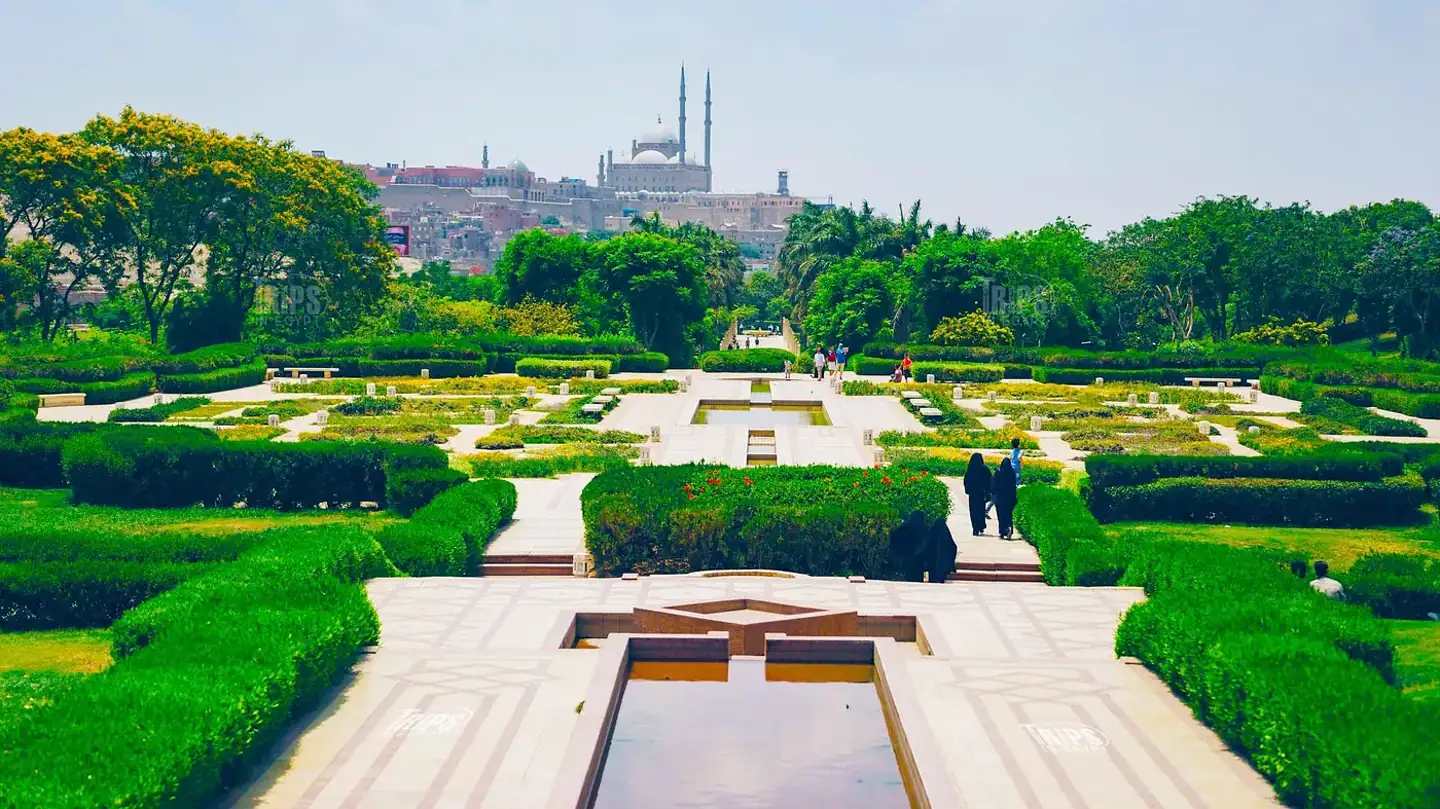
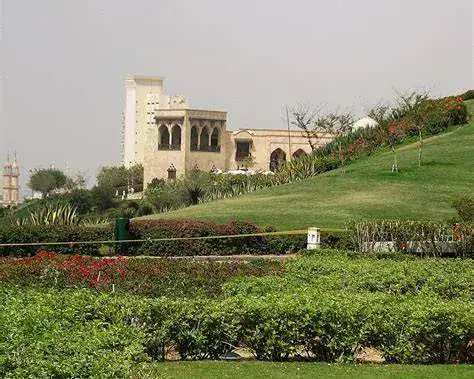
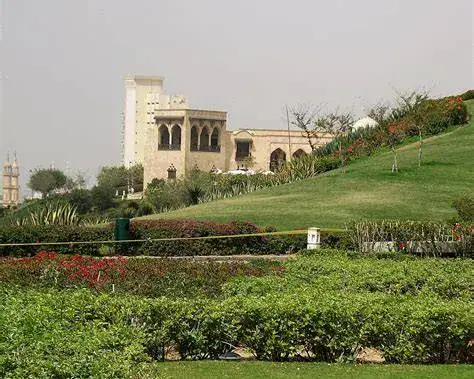
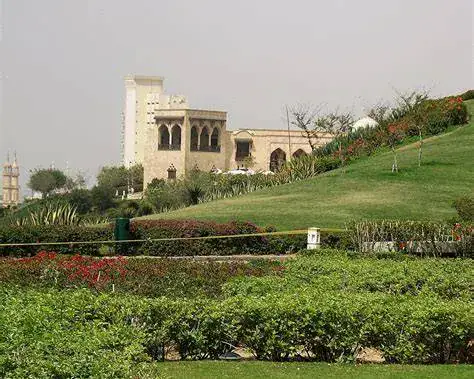
The landscape draws inspiration from historic Islamic garden traditions while responding to Cairo’s climate. Formal axes, terraces, orchards, shaded paths, lawns and water features create a sequence of spaces rather than a single open field.
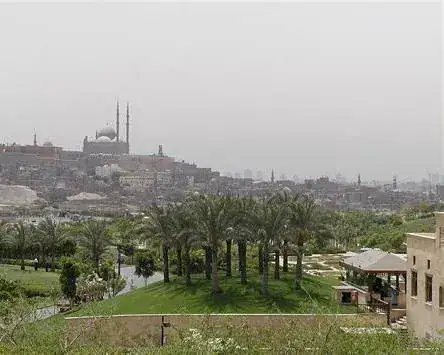
Moreover, the park’s elevated terrain turns the landscape into a viewing platform. Paths open toward minarets, domes and the Citadel, allowing visitors to understand Historic Cairo as a connected urban panorama.
The horticultural programme was equally ambitious. Specialist nurseries tested plants for the site’s saline soil and climate, and hundreds of thousands of plants were established during development. Today, the combination of trees, lawns and gardens creates a rare green refuge within Cairo’s dense historic core.
What to see
Highlights Inside Al-Azhar Park Cairo
Panoramic Cairo Views
Look across the domes and minarets of Historic Cairo toward the Citadel and Mohamed Ali Mosque, especially in the softer light before sunset.
Islamic-Inspired Gardens
Walk through formal landscaping, water features, shaded avenues, lawns and terraces influenced by historic garden traditions.
Ayyubid City Wall
See the restored medieval fortifications associated with Salah al-Din and understand how archaeology became part of the park’s design.
A medieval wall rediscovered
Al-Azhar Park and Cairo’s Ayyubid Wall
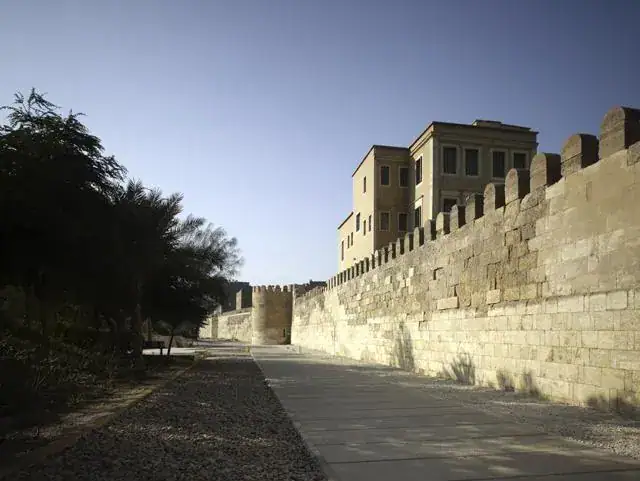
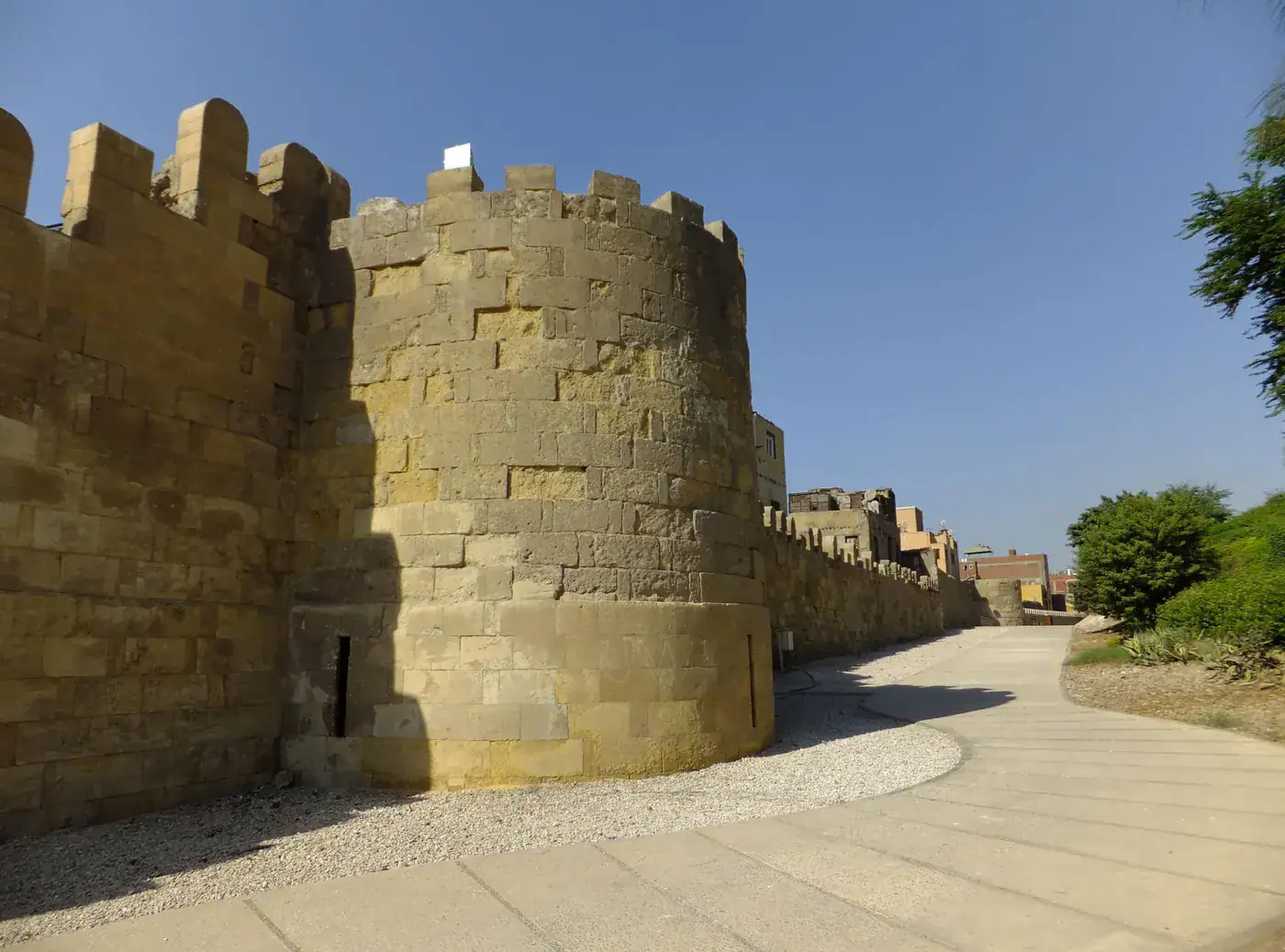
One of the project’s most important discoveries was the surviving eastern section of Cairo’s Ayyubid fortifications. The wall had been buried beneath centuries of debris, in places almost to the level of its battlements.
Excavation exposed roughly 1.5 kilometres of the historic wall, including towers and defensive elements. Restoration then connected the archaeological remains to the wider park and to nearby Darb al-Ahmar.
This makes Al-Azhar Park particularly valuable for travelers interested in the history of Salah El-Din. Rather than seeing the park only as a garden, visitors can read it as part of Cairo’s medieval defensive landscape.
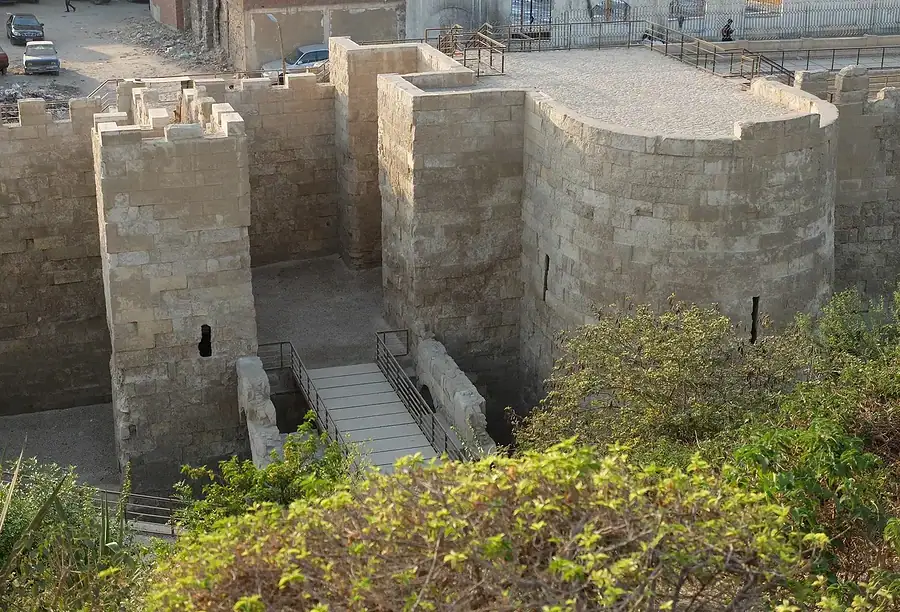
Medieval Cairo
The Restored Ayyubid Wall at Al-Azhar Park Cairo
Beyond the gardens
Urban Renewal and Darb al-Ahmar
Heritage Conservation
The project expanded into conservation of the Ayyubid wall and historic monuments in the surrounding district, linking public space with architectural preservation.
Skills and Employment
Training, apprenticeships and employment supported local residents in fields including restoration, masonry, carpentry, horticulture and tourism-related work.
Community Development
Housing rehabilitation, microfinance, health and other social initiatives helped turn the park into a catalyst for broader neighbourhood improvement.
Why the project matters: Al-Azhar Park demonstrates how landscape design, archaeology, conservation and community development can reinforce one another instead of being treated as separate projects.
Build a Historic Cairo day
What to Visit Near Al-Azhar Park
Al-Azhar Park works especially well as part of a wider Historic Cairo itinerary. To the west, visitors can continue toward Al-Muizz Street and Khan El-Khalili. To the south, the skyline leads toward the Mohamed Ali Mosque and the Citadel.
For travelers interested in Islamic architecture, the Mosque of Ibn Tulun adds another major historical layer. Therefore, the park can serve as a relaxing pause between monument visits rather than a separate excursion.
Plan your visit
Visiting Al-Azhar Park Cairo
Where is Al-Azhar Park?
The park is on Salah Salem Street beside Darb al-Ahmar and the eastern edge of Historic Cairo, with elevated views toward the Citadel.
Best time to visit
Late afternoon is especially attractive because temperatures are usually softer and the changing light improves the panoramic views. Sunset can be popular, so allow extra time.
How long should you allow?
Allow roughly 1.5–3 hours for a relaxed walk, viewpoints and a break. Visitors combining the park with nearby monuments can make it the final stop of a Historic Cairo day.
Is Al-Azhar Park good for families?
Yes. Lawns, walking areas, views and open space make it particularly appealing to families who want a break from Cairo’s busy streets and monument visits.
Opening hours and tickets: schedules and admission prices can change. Check the official Al-Azhar Park website or confirm locally shortly before your visit rather than relying on an old price published online.
Salah Salem Street, Cairo
Location of Al-Azhar Park in Cairo
Quick answers
Frequently Asked Questions About Al-Azhar Park Cairo
What is Al-Azhar Park famous for?
Al-Azhar Park is famous for transforming a centuries-old rubble mound into a 30-hectare public park, while also supporting restoration of Cairo’s Ayyubid wall and regeneration of nearby Darb al-Ahmar.
When did Al-Azhar Park open?
Al-Azhar Park officially opened in March 2005 after a long programme of planning, excavation, engineering, landscaping and heritage conservation.
Who created Al-Azhar Park?
The project was initiated and financed through the Aga Khan and developed by the Aga Khan Trust for Culture as part of a wider programme for Historic Cairo.
How big is Al-Azhar Park?
The park covers approximately 30 hectares, or about 74 acres, in the historic core of Cairo.
Can you see the Cairo Citadel from Al-Azhar Park?
Yes. The park’s elevated viewpoints provide some of the best-known panoramas toward the Citadel, Mohamed Ali Mosque and the skyline of Historic Cairo.
What is the Ayyubid Wall at Al-Azhar Park?
It is part of Cairo’s medieval fortification system associated with Salah al-Din’s period. About 1.5 kilometres of the wall were excavated and restored as part of the wider urban-regeneration project.
Is Al-Azhar Park worth visiting?
Yes, particularly for travelers who want panoramic Cairo views, gardens and a quieter setting connected directly to the history and architecture of Islamic Cairo.
What can I combine with Al-Azhar Park?
Good combinations include Al-Muizz Street, Khan El-Khalili, the Salah El-Din Citadel, Mohamed Ali Mosque and other monuments of Historic Cairo.
Explore Historic Cairo
Combine Al-Azhar Park With Cairo’s Great Islamic Landmarks
Plan a private Cairo route that connects Al-Azhar Park, the Citadel, Al-Muizz Street, Khan El-Khalili and the historic neighborhoods between them at a comfortable pace.