
Salah El-Din Citadel Cairo
Salah El-Din Citadel Cairo: History, Architecture & Visitor Guide
Explore Cairo’s great medieval fortress on Mokattam Hill, from Saladin’s 12th-century defenses and Yusuf’s Well to the Mohamed Ali Mosque, Mamluk monuments, museums and panoramic city views.
Fortress of Cairo
Why Salah El-Din Citadel Is One of Cairo’s Essential Historic Sites
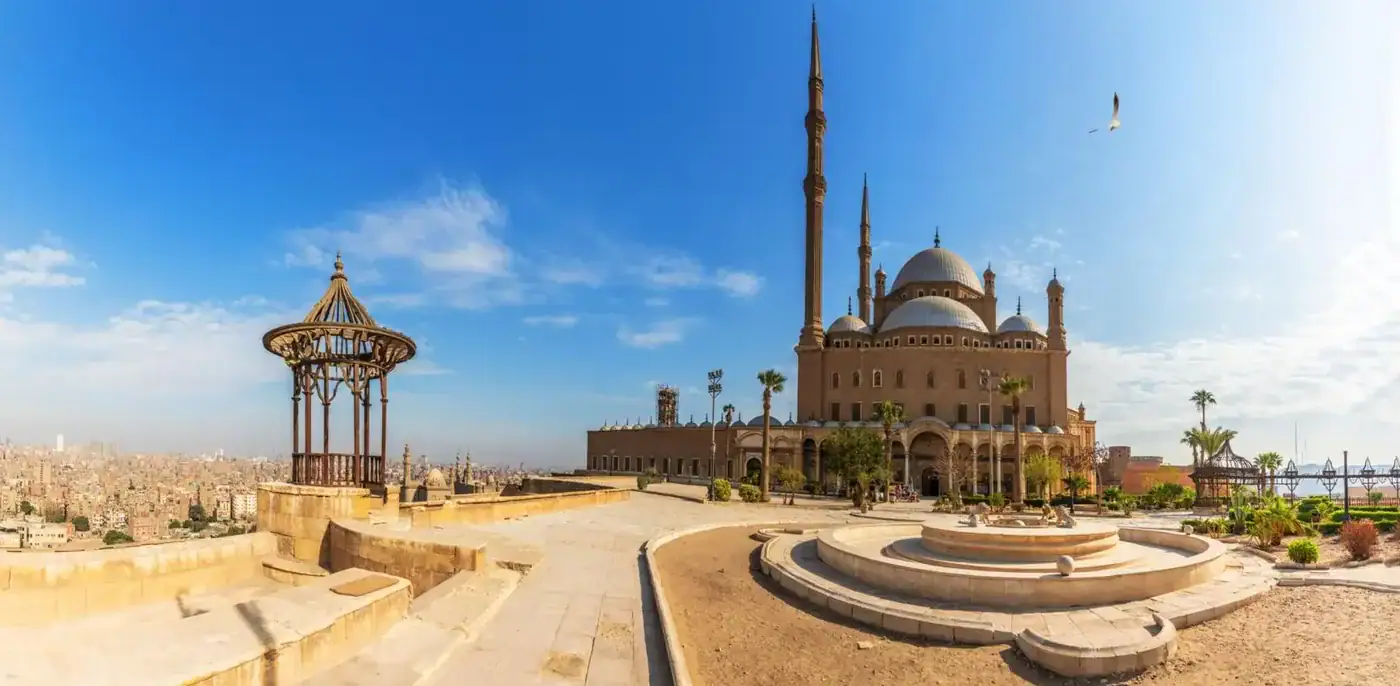
Salah El-Din Citadel Cairo, also known as the Cairo Citadel or Citadel of the Mountain, crowns Mokattam Hill above Cairo. Its elevated position gave medieval rulers a commanding view over the city and made the fortress one of Egypt’s most important centers of military and political power.
Moreover, the Citadel developed continuously for centuries. Ayyubid walls and towers were joined by Mamluk palaces, Ottoman mosques and 19th-century monuments, creating one of Cairo’s richest architectural landscapes.
Why is Salah El-Din Citadel important? It served as a fortified seat of government for centuries and preserves major monuments from the Ayyubid, Mamluk, Ottoman and Mohamed Ali periods within one historic complex.
Ayyubid Cairo
Origins and Construction of Salah El-Din Citadel
First, construction began in 1176 CE under Salah El-Din al-Ayyubi, better known in the West as Saladin. His aim was to strengthen Cairo’s defenses against the Crusader threat and, at the same time, create a fortified seat of power above the city.
Moreover, the elevated site on Mokattam Hill provided a natural defensive advantage. After Saladin’s death, work continued and was eventually completed under Sultan al-Kamil in the early 13th century.
As a result, the Citadel became the principal seat of government in Egypt and remained central to political life for many centuries.
For official monument information, see Egypt’s Ministry of Tourism and Antiquities page for the Cairo Citadel.
Walls, towers and gates
Defensive Architecture of Salah El-Din Citadel
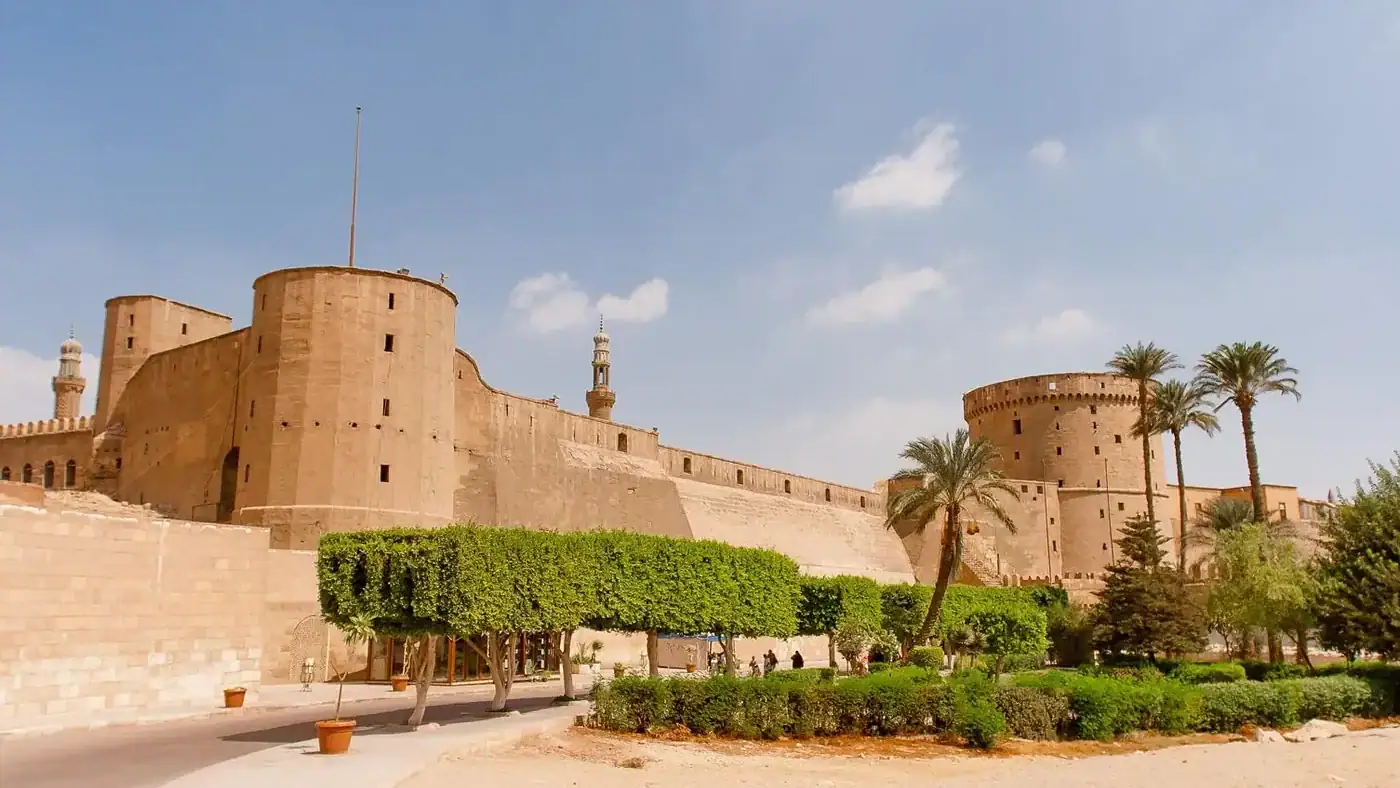
To begin with, the fortress was protected by massive limestone walls reinforced with towers, gates and defensive passages. Therefore, these features helped control access and withstand attack.
Moreover, the Citadel’s position above the city made it difficult to approach while allowing defenders to monitor roads and urban districts below.
Over time, later rulers modified entrances and internal circulation. As a result, the surviving fortress reflects several phases of military architecture rather than a single construction campaign.
What to see inside
Major Monuments Inside Salah El-Din Citadel
Mohamed Ali Mosque
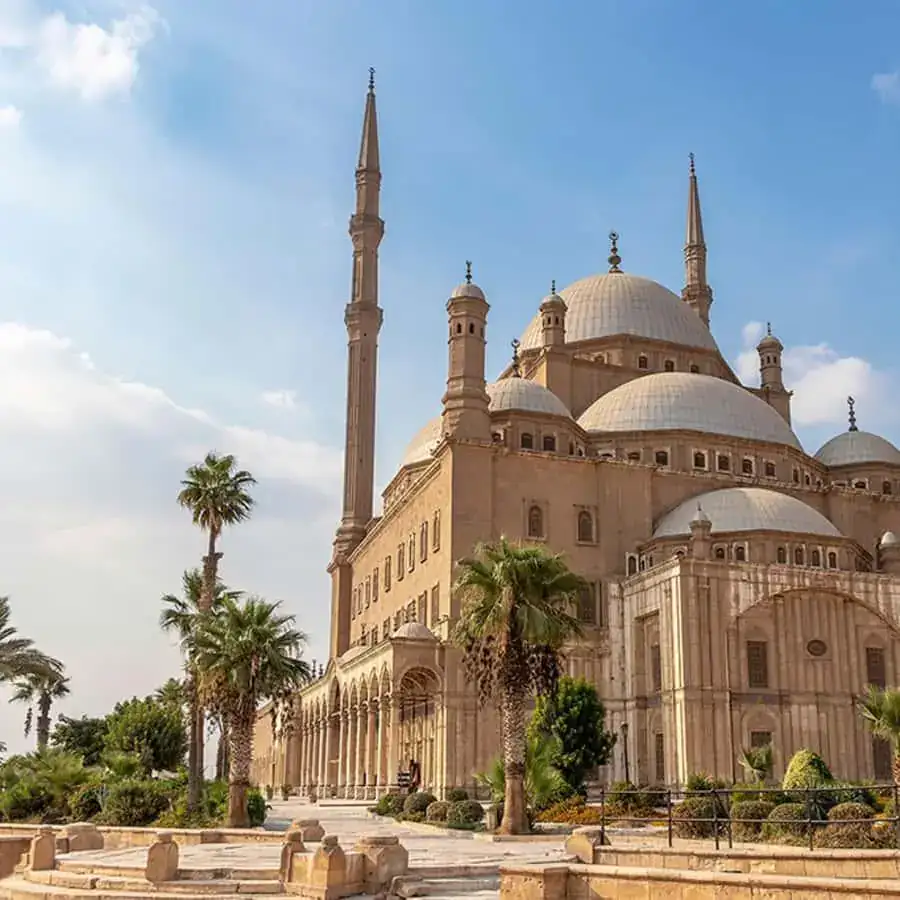
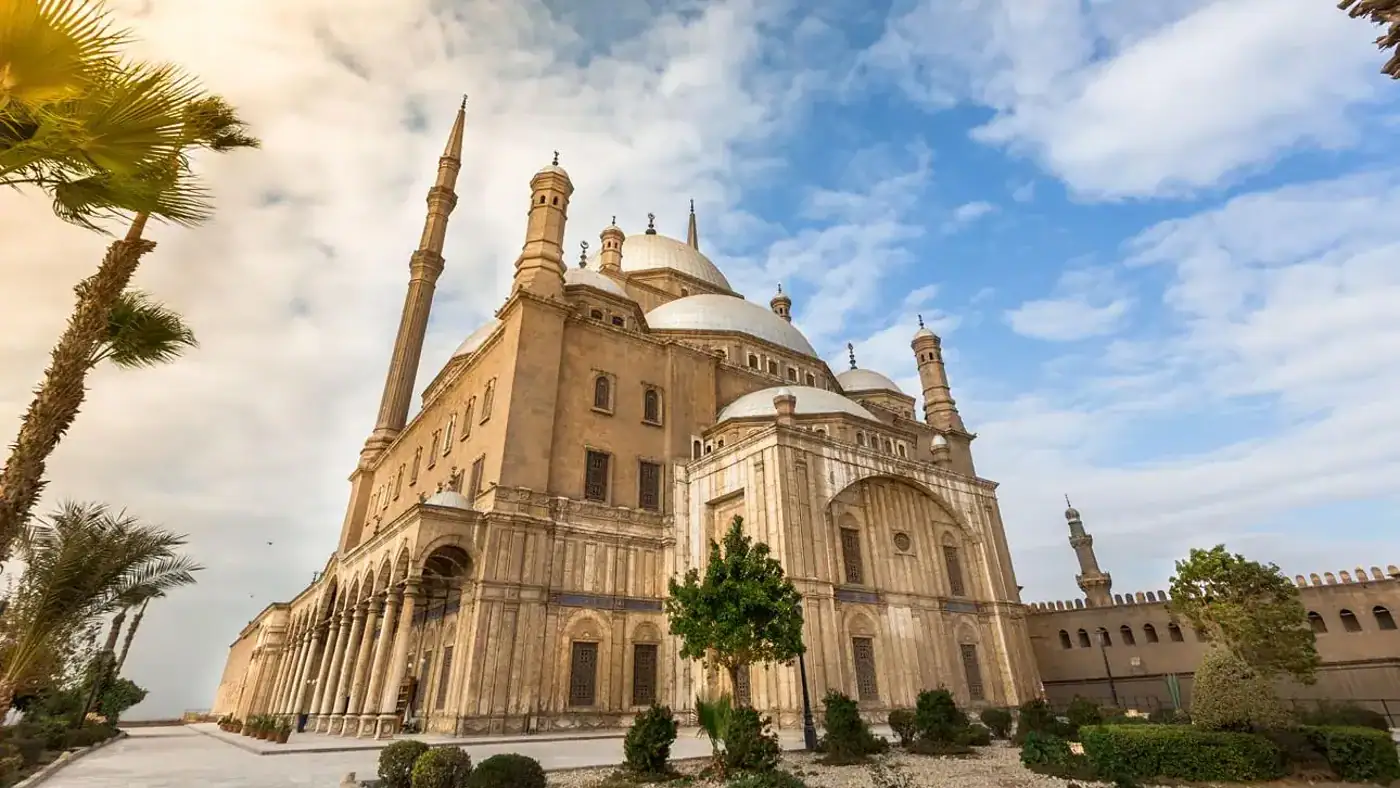
The 19th-century Alabaster Mosque dominates the Citadel skyline with its Ottoman-inspired domes and twin minarets. Read the full Mohamed Ali Mosque guide.
Al-Nasir Muhammad Mosque
This important Mamluk mosque reflects the architectural ambitions of Sultan al-Nasir Muhammad and contrasts strongly with the later Ottoman-style mosque nearby.
Suleiman Pasha Mosque
Built in the early Ottoman period, this mosque is among Cairo’s earliest major Ottoman religious monuments and adds another layer to the Citadel’s history.
Gawhara Palace
Associated with Mohamed Ali’s rule, the palace reflects the Citadel’s transformation from a medieval fortress into a 19th-century royal and governmental complex.
Military Architecture
Towers, gateways and surviving walls preserve the original defensive purpose of the complex and help visitors understand why this site was chosen.
Panoramic Terraces
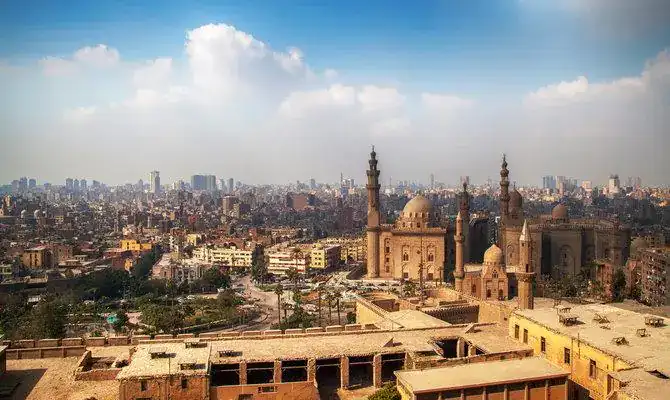
The elevated terraces provide some of Cairo’s most impressive historic city views, especially across the dense skyline of Islamic Cairo.
The Citadel’s iconic landmark
Mohamed Ali Mosque at Salah El-Din Citadel
Today, the Mohamed Ali Mosque is the most recognizable building inside the Citadel. In addition, its large central dome and pencil-shaped minarets transformed the skyline in the 19th century.
However, the mosque represents only one phase of the Citadel’s long history. For that reason, earlier Ayyubid fortifications and Mamluk monuments remain essential to understanding the site as a whole.
Visitors interested in Islamic architecture can also compare the Citadel with the Mosque of Ibn Tulun, Al-Muizz Street and Khan El Khalili Bazaar.
Medieval engineering
Yusuf’s Well at Salah El-Din Citadel
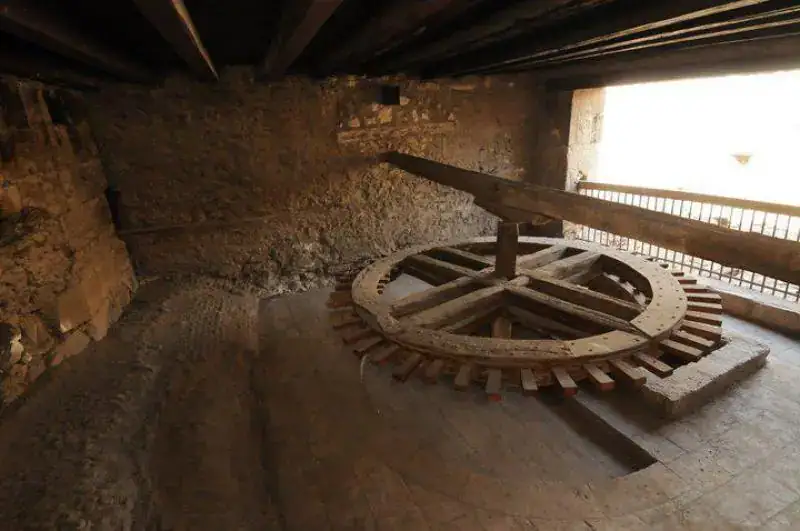
Importantly, Yusuf’s Well, also known as Bir Yusuf, was created to secure a reliable water supply for the Citadel during periods of siege. In fact, the shaft reaches deep into the rock beneath the fortress.
Moreover, its ingenious design included internal ramps and mechanisms that allowed animals to help raise water. Therefore, the well demonstrates how defensive planning depended not only on walls and towers but also on long-term access to essential resources.
Although access conditions can vary, the structure remains one of the Citadel’s most fascinating engineering features.
Museums and later history
Museums and Historic Collections at Cairo Citadel
Today, the Citadel contains several museum spaces that explore Egypt’s military, police and modern political history. Consequently, these collections reflect the fortress’s long use as a center of state power.
In addition, palace spaces associated with Mohamed Ali preserve another layer of the site’s history, linking medieval fortifications with the rise of modern Egypt.
However, because museum opening arrangements can change, check current access on the day of your visit rather than assuming every interior is open.
The Citadel today
Panoramic Views From Salah El-Din Citadel
Today, visitors come not only for the monuments but also for the remarkable views across Cairo. For example, on clear days, the terraces reveal the dense urban fabric of Islamic Cairo and the wider city beyond.
Moreover, the Citadel works especially well as part of a full Islamic Cairo itinerary. In addition, nearby Al-Azhar Park offers another elevated perspective, while Al-Muizz Street and Khan El Khalili provide a closer experience of historic streets and markets.
For broader heritage context, see the official UNESCO Historic Cairo World Heritage page.
Plan your visit
Visiting Salah El-Din Citadel in Cairo
Where is the Citadel?
Specifically, the Citadel stands on Mokattam Hill in Cairo, east of the historic city center and above the Sultan Hassan and Al-Rifa’i mosque area.
Opening hours
Because opening hours can change seasonally, check the latest Ministry of Tourism and Antiquities information before travelling.
How long should you allow?
Generally, allow around 2–3 hours for the main mosques, terraces and museums. However, history enthusiasts can easily spend longer.
What can you combine it with?
For example, combine the Citadel with Mohamed Ali Mosque, Ibn Tulun Mosque, Al-Azhar Park, Al-Muizz Street or Khan El Khalili.
What should you wear?
Because the site is large, comfortable shoes are important. In addition, modest clothing is recommended for mosque visits.
Are all interiors always open?
No. In fact, access to museums, wells or specific buildings can vary due to restoration or operational changes.
Official information: ticket prices, museum access and opening hours may change. Confirm current details on the Egyptian Ministry of Tourism and Antiquities Citadel page before your visit.
Mokattam Hill, Cairo
Location of Salah El-Din Citadel in Cairo
Quick answers
Frequently Asked Questions About Salah El-Din Citadel
Who built Salah El-Din Citadel?
Construction began under Salah El-Din al-Ayyubi in 1176 CE and continued under later Ayyubid rulers, including Sultan al-Kamil.
Why was the Cairo Citadel built?
It was created as a fortified defensive and administrative center above Cairo, especially in response to the Crusader threat.
What are the main attractions inside the Citadel?
Major highlights include Mohamed Ali Mosque, Al-Nasir Muhammad Mosque, Suleiman Pasha Mosque, fortification walls, museums, palace areas and panoramic terraces.
What is Yusuf’s Well?
Yusuf’s Well is a deep medieval water system designed to help supply the fortress during siege conditions.
How long do you need at Salah El-Din Citadel?
Generally, most visitors should allow around 2–3 hours, although a longer visit is worthwhile if museums and architecture are a priority.
Is Salah El-Din Citadel worth visiting?
Yes. Moreover, it combines medieval military history, major Islamic monuments, museums and some of Cairo’s best panoramic views.
Can I visit the Citadel and Khan El Khalili on the same day?
Yes. In addition, they combine well in a full-day Islamic Cairo itinerary, especially with Al-Muizz Street or Al-Azhar Park.
Explore Islamic Cairo
Discover the Citadel and Cairo’s Great Historic Monuments
Combine Salah El-Din Citadel with Mohamed Ali Mosque, Ibn Tulun Mosque, Al-Muizz Street, Khan El Khalili and Al-Azhar Park on a private Cairo route.