
Tell el-Amarna guide
Tell el-Amarna Guide: Akhenaten’s Lost Capital
Across this short-lived capital, Akhenaten transformed royal religion, art and urban life around the sun disk Aten.
The Horizon of Aten
A Complete Tell el-Amarna Guide to the Lost City
This Tell el-Amarna guide explores the remains of Akhetaten on the eastern bank of the Nile in Minya Governorate. Pharaoh Akhenaten founded the new capital in the 14th century BCE. First of all, the city was created for Aten and deliberately placed on previously undeveloped ground.
However, Akhetaten was more than a religious experiment. Its palaces, open-air temples, houses, workshops, royal tomb and officials’ tombs document a complete capital built rapidly and abandoned soon after the king’s death. Consequently, the landscape offers an exceptional window into politics, belief and daily life during the Amarna Period.
Why is the site important? It is the archaeological record of Akhenaten’s revolutionary capital—the place where royal worship focused on Aten, Amarna art became strikingly intimate, and an archive of international diplomatic letters survived.
A radical royal program
Tell el-Amarna and Akhenaten’s Religious Revolution
Akhenaten began his reign as Amenhotep IV, the son of Amenhotep III. The monuments of his father’s Theban age include the Colossi of Memnon on Luxor’s West Bank. Nevertheless, by roughly his fifth regnal year he had adopted a new name and redirected royal patronage toward Aten, represented as a solar disk whose rays end in hands.
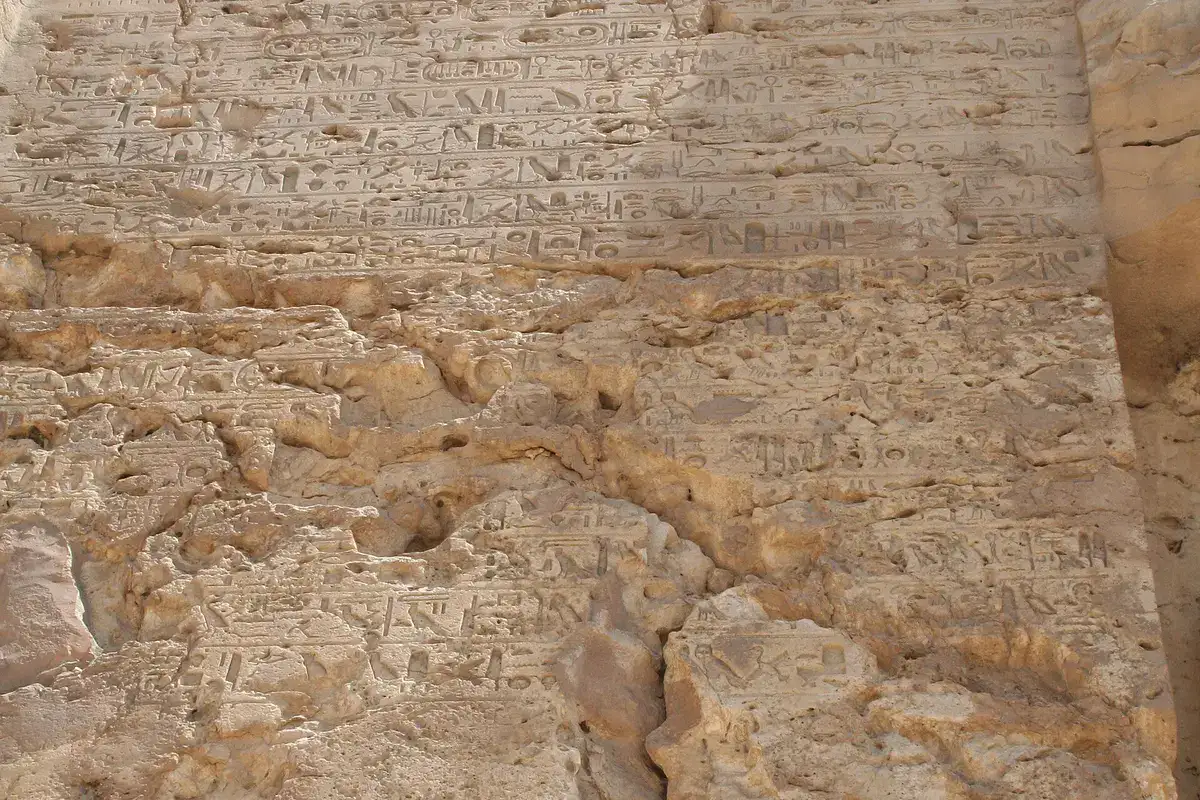
Moreover, the king moved the court away from Thebes—modern Luxor—and established Akhetaten inside a desert bay framed by cliffs. Boundary stelae cut into those cliffs defined the sacred territory and recorded his dedication of the city.
Scholars debate whether Atenism should be called monotheism, henotheism or exclusive royal worship. Even so, the reform sharply reduced the public role of many traditional gods and transformed temple ritual. Therefore, the Amarna experiment remains one of the boldest ideological shifts in Egyptian history.


The Royal Wadi
The Royal Tomb at Tell el-Amarna
Far inside a desert wadi, the royal tomb breaks with the familiar royal burial landscape of western Thebes. A long descending corridor reaches chambers intended for the king and members of his family.
In particular, damaged wall scenes show the royal family beneath Aten and include rare mourning imagery associated with the death of a princess. Although much decoration was destroyed, the surviving compositions reveal the emotional and artistic language of the court.
After Akhenaten died, the capital was abandoned and royal burials were probably moved. As a result, the tomb is both a monument and evidence for the abrupt end of his political project.
Northern and southern cliffs
Tombs of the Nobles at Amarna
Meryra I
As High Priest of Aten, Meryra appears receiving royal rewards. In addition, his tomb records ceremonies and architecture connected with the Great Temple.
Ay
Later, Ay became pharaoh after Tutankhamun. His richly decorated tomb includes the celebrated Great Hymn to Aten.
Panehesy
Panehesy’s monument preserves religious and court imagery. Meanwhile, related scenes illuminate service, food production and everyday work in the capital.
What makes Amarna art different? Artists used elongated bodies, softer movement and unusually intimate family scenes. At the same time, images continued to serve royal and sacred purposes rather than simply recording ordinary reality.
Sunlight as sacred architecture
The Great Temple of Aten and Royal Palace
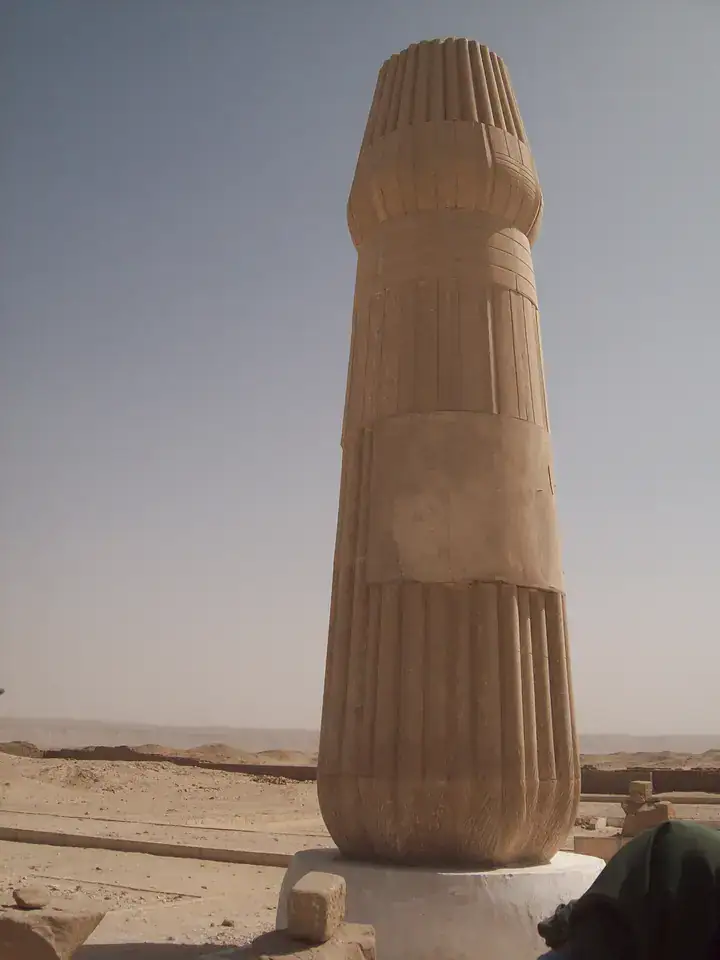
The Great Temple of Aten stood at the ceremonial heart of the city. Unlike dark, roofed sanctuaries, its sequence of open courts exposed hundreds of offering tables directly to sunlight. Thus, architecture translated Aten’s visible presence into ritual space.
Nearby, the Great Palace and King’s House formed a political and residential center along the Royal Road. A bridge across the road connected palace areas and may have supported the famous Window of Appearance, where Akhenaten, Nefertiti and the royal family rewarded officials.
Although the surviving walls are low, their plans reveal enormous scale. Furthermore, painted floors, gardens, storage rooms and service areas once turned the capital into a functioning court rather than a symbolic stage alone.
Homes, workshops and city limits
Residential City and Boundary Stelae
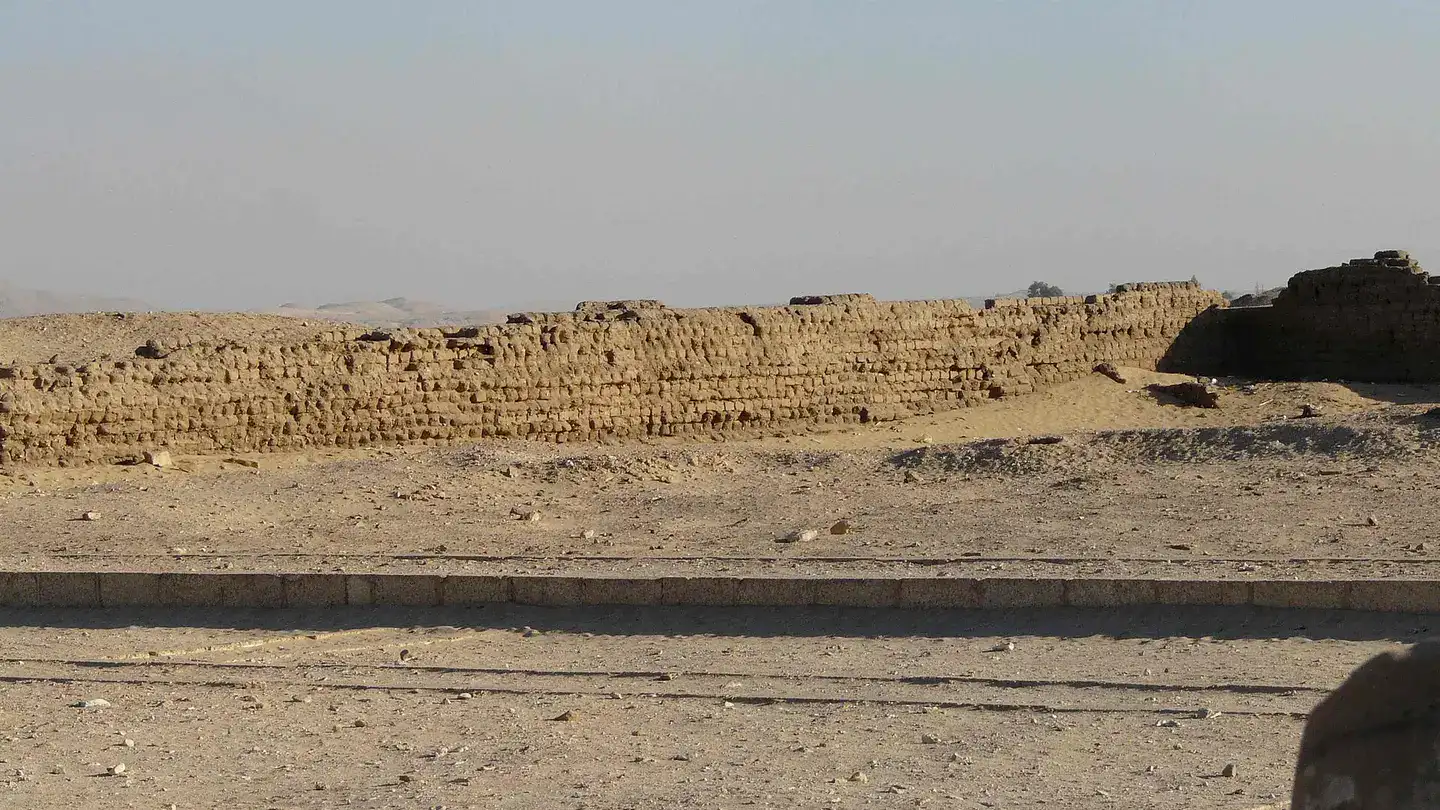
Beyond the royal core, mudbrick houses ranged from compact workers’ homes to large villas with reception halls, gardens, granaries and service rooms. Archaeologists have also uncovered workshops, bakeries and evidence for craft production.
Meanwhile, the surrounding boundary stelae declared where Akhenaten intended the city to stand. Because the settlement was occupied for such a short time, its plans preserve an unusually focused snapshot of an Egyptian capital.
Consequently, visitors should look beyond monumental ruins. Street patterns, house foundations and desert geography together explain how thousands of residents supported the royal court.
Diplomacy of the Late Bronze Age
Tell el-Amarna Letters and Ancient Diplomacy
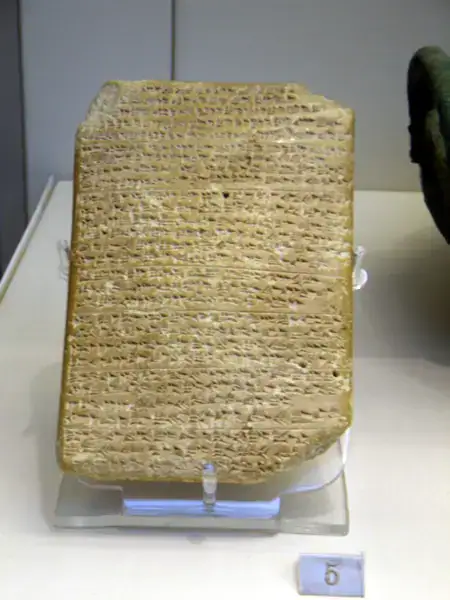
In 1887, clay tablets discovered at the site revealed an extraordinary diplomatic archive. Around 380 texts, mostly written in Akkadian cuneiform, preserve correspondence between the Egyptian court and rulers across the Near East.
For example, kings of Babylon, Assyria, Mitanni and Hatti discussed gifts, marriages and status. At the same time, vassal rulers in Canaan and Syria requested troops, reported conflict and competed for royal support.
Therefore, the letters show Egypt as a central power within an international system governed by protocol as well as warfare. Today, tablets are dispersed among major museum collections, including the British Museum and Berlin’s Vorderasiatisches Museum.
Plan your visit
Visiting Tell el-Amarna: Practical Travel Guide
Where is it?
The archaeological zone lies on the east bank of the Nile near Deir Mawas in Minya Governorate, roughly 300 km south of Cairo.
How do you reach it?
Generally, a private car and local guide are the most practical choice. Depending on your route, crossing the Nile and coordinating access may be required.
When should you go?
October through April usually brings cooler conditions. Moreover, an early start helps you avoid intense midday sun across the exposed desert.
What should you bring?
Bring water, sun protection and sturdy footwear. In addition, allow enough time for separate monument groups spread across a broad landscape.
Important: Opening times, photography rules, tickets and accessible tombs may change. Therefore, confirm current arrangements locally before your journey.
Deir Mawas, Minya, Egypt
Location of Tell el-Amarna
Practical answers
Frequently Asked Questions About Tell el-Amarna
What was Tell el-Amarna called in ancient Egypt?
Its ancient name was Akhetaten, meaning “Horizon of Aten.” Akhenaten founded it as a royal capital and sacred landscape for Aten.
Why did Akhenaten build a new capital?
He wanted a new ceremonial center dedicated to Aten and physically separated from established religious institutions, especially the powerful cult of Amun at Thebes.
Can visitors enter the Royal Tomb?
Access can depend on conservation work and local arrangements. Confirm availability with the ticket office or a licensed local guide before travelling.
What are the Amarna Letters?
They are about 380 clay tablets containing diplomatic correspondence between Egypt and rulers across the Late Bronze Age Near East.
How much time is needed for a visit?
Allow at least half a day for selected tombs and the central city. However, a fuller archaeological visit may require more time and advance planning.
Continue the story
Explore the Amarna Royal Family
Amenhotep III
Discover Akhenaten’s father, his reign, monuments and the royal world that preceded Amarna.
02Nefertiti
Explore the queen’s ritual power, Amarna imagery, famous bust and unresolved final years.
03Tutankhamun
Follow the restoration after the Amarna Period and the story of Egypt’s most famous royal tomb.
04Colossi of Memnon
See the monumental statues of Amenhotep III that still dominate Luxor’s West Bank landscape.
Explore Middle Egypt
Walk Through Akhenaten’s Lost Capital
Combine the Amarna landscape with Minya’s other archaeological sites for a deeper journey through Egypt beyond the familiar routes.