

Dahshur Necropolis
Dahshur: Where Egypt Perfected the Pyramid
Explore the Bent Pyramid, the Red Pyramid and the royal cemeteries that transformed an architectural experiment into the classic Egyptian pyramid.
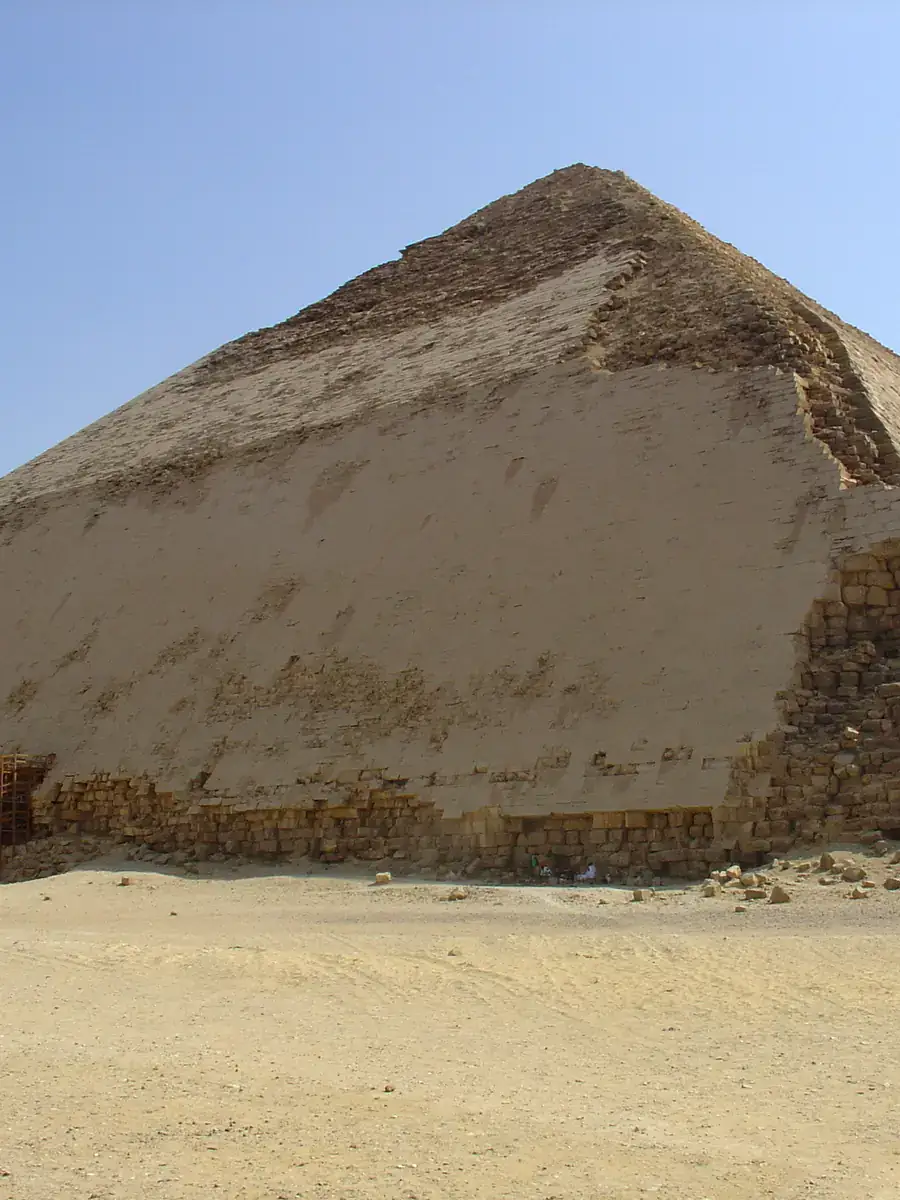
The Southern Pyramid Field
Why Dahshur Necropolis Changed Egyptian Architecture
To begin with, Dahshur Necropolis lies on the desert plateau south of Saqqara Necropolis and formed part of the immense cemetery serving ancient Memphis. Although it receives fewer visitors than Giza, its monuments nevertheless record one of the most important chapters in the history of pyramid construction.
Under King Sneferu, the first king of the Fourth Dynasty, builders tested new proportions, internal systems and construction methods. Consequently, the Bent Pyramid preserves a dramatic change of angle, whereas the nearby Red Pyramid represents the earliest successful large true pyramid with smooth sides.
Several centuries later, Middle Kingdom rulers returned to Dahshur. Moreover, their pyramids, royal burials and extraordinary jewellery demonstrate that the landscape remained politically and religiously important long after Sneferu.
From Experiment to Perfection
How Dahshur Necropolis Transformed Pyramid Architecture
At Dahshur, Egyptian architects tested solutions that strongly influenced the major Fourth Dynasty pyramids built afterward.
Sneferu’s Experiments at Dahshur Necropolis
Following the building phases at Meidum, King Sneferu launched two enormous projects at Dahshur. In doing so, his builders pushed stone construction to an unprecedented scale.
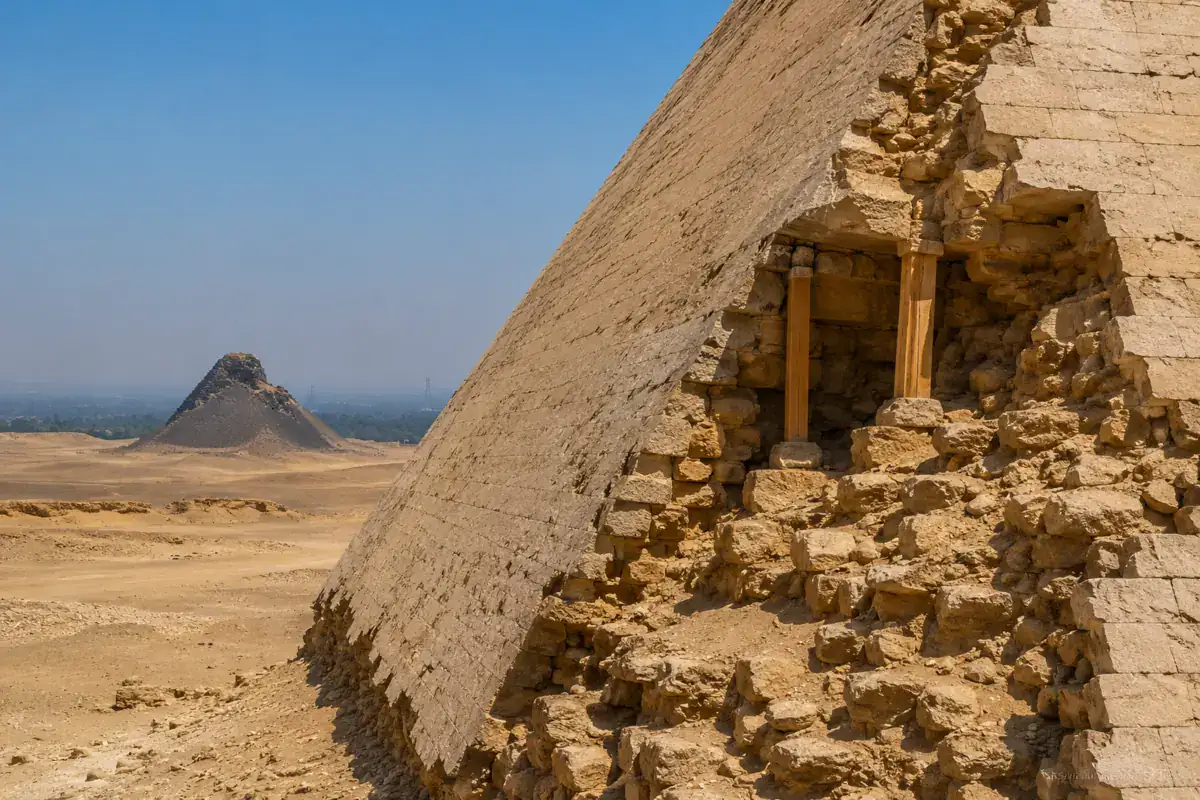
Why Dahshur’s Bent Pyramid Changes Angle
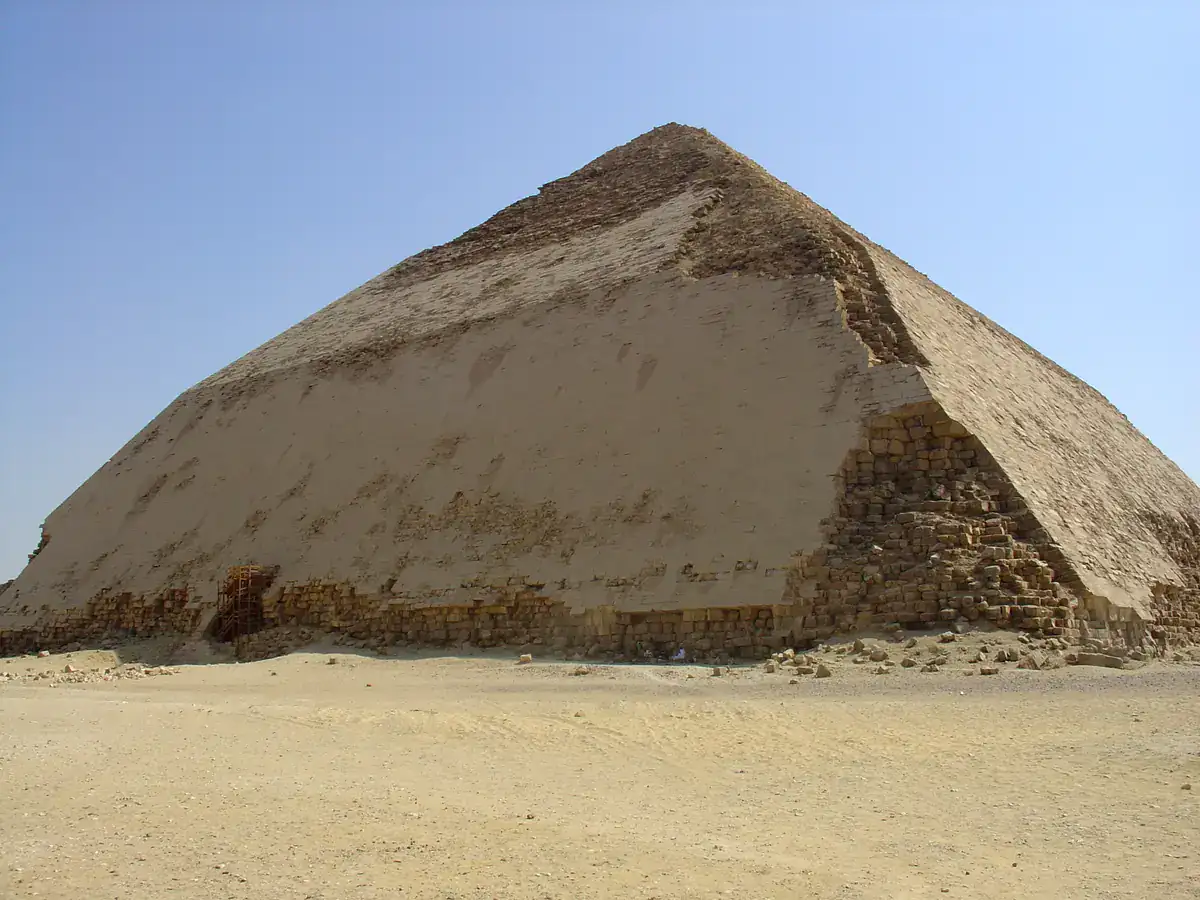
Initially, the lower courses rose at about 55 degrees. However, the builders reduced the upper section to roughly 43 degrees, probably in response to structural concerns during construction.
The Red Pyramid at Dahshur: The First Successful True Pyramid
Next, the builders adopted a consistent angle for the Red Pyramid. Consequently, they completed Egypt’s earliest successful large true pyramid.
How Dahshur Pyramid Engineering Led to Giza
Ultimately, the experience gained at Dahshur helped prepare the technical foundation for King Khufu’s Great Pyramid and the later royal monuments at Giza.
The Pyramid Story
From Djoser to Sneferu and Khufu
To understand why Dahshur matters, follow the architectural sequence from the first monumental step pyramid to the true pyramids of the Fourth Dynasty.
Essential Monuments
What to See at Dahshur Necropolis
The site combines Old Kingdom engineering, Middle Kingdom royal burials and remarkable evidence of ancient funerary craftsmanship.
 Fourth Dynasty
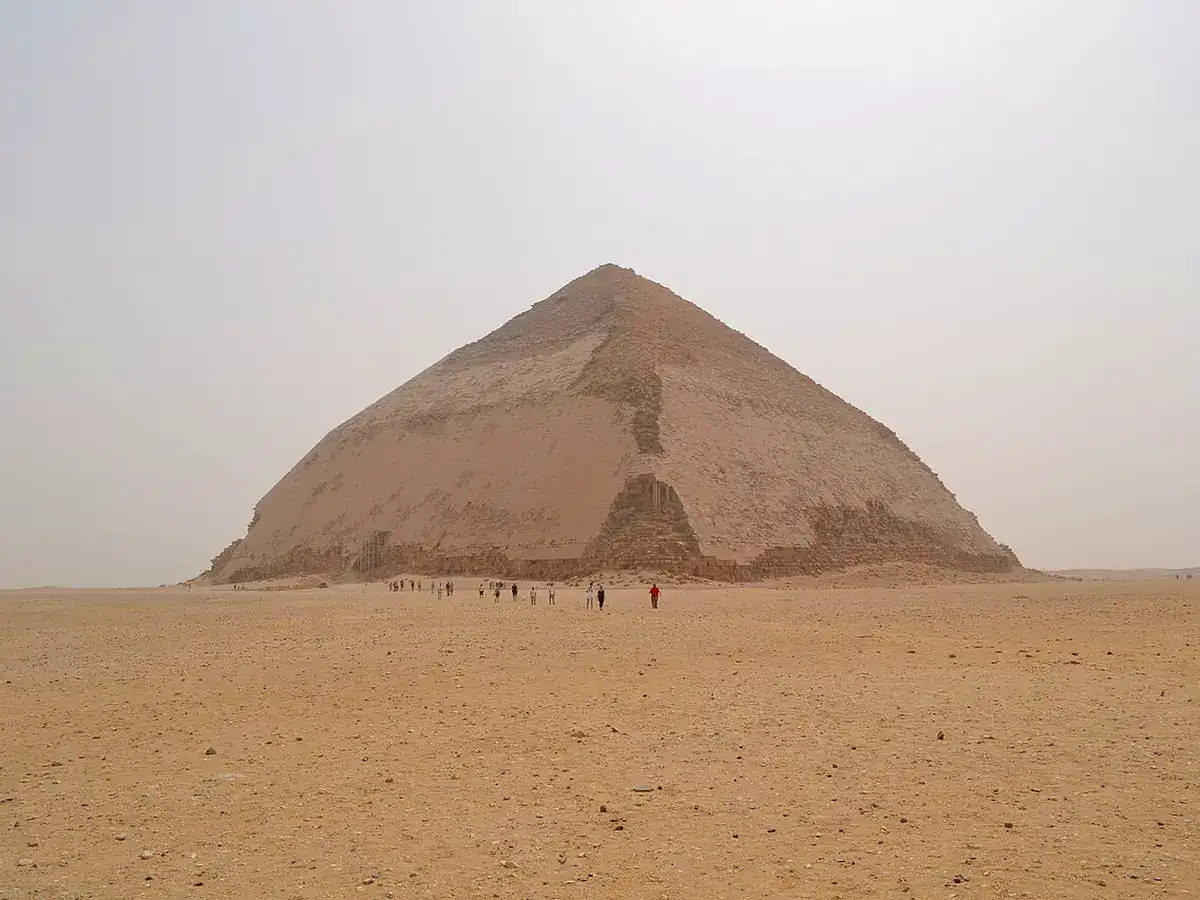
The Bent Pyramid at Dahshur Necropolis
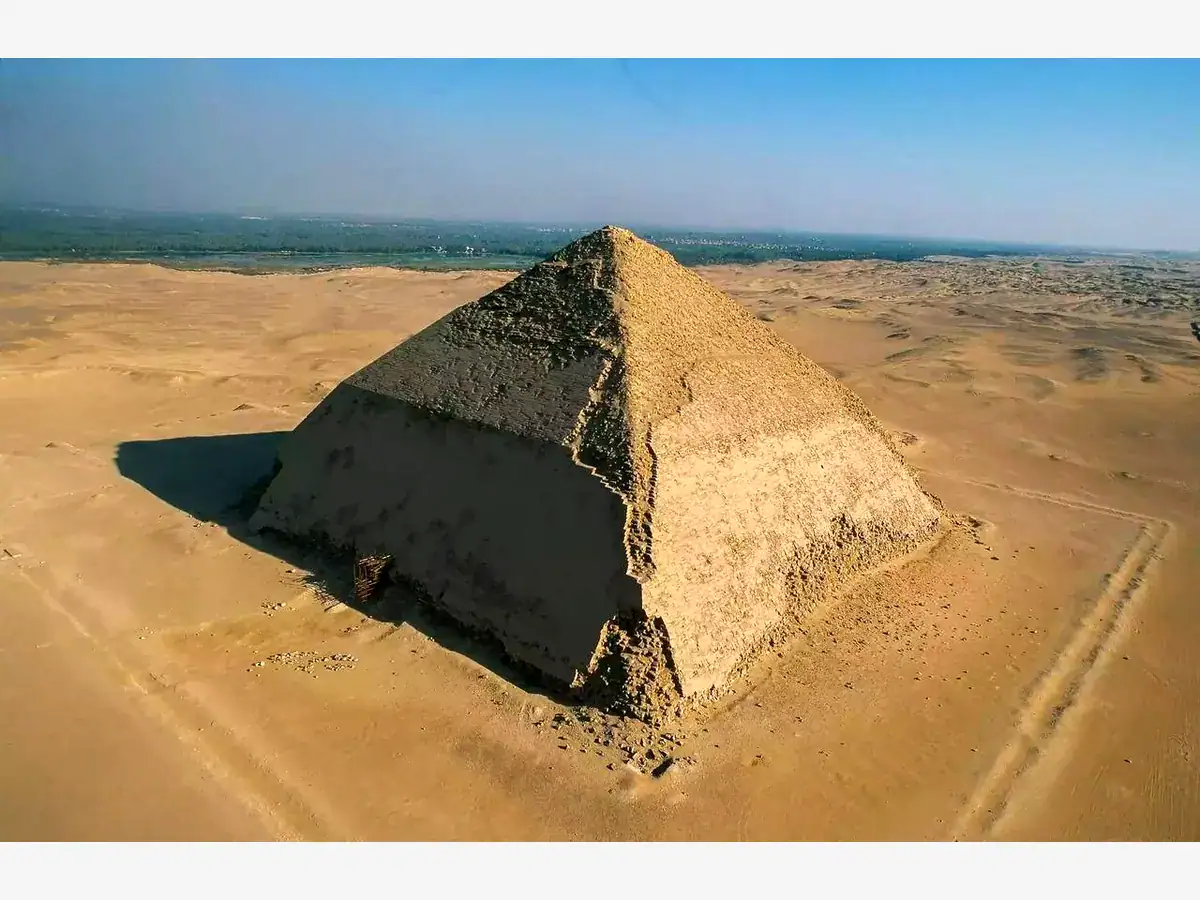
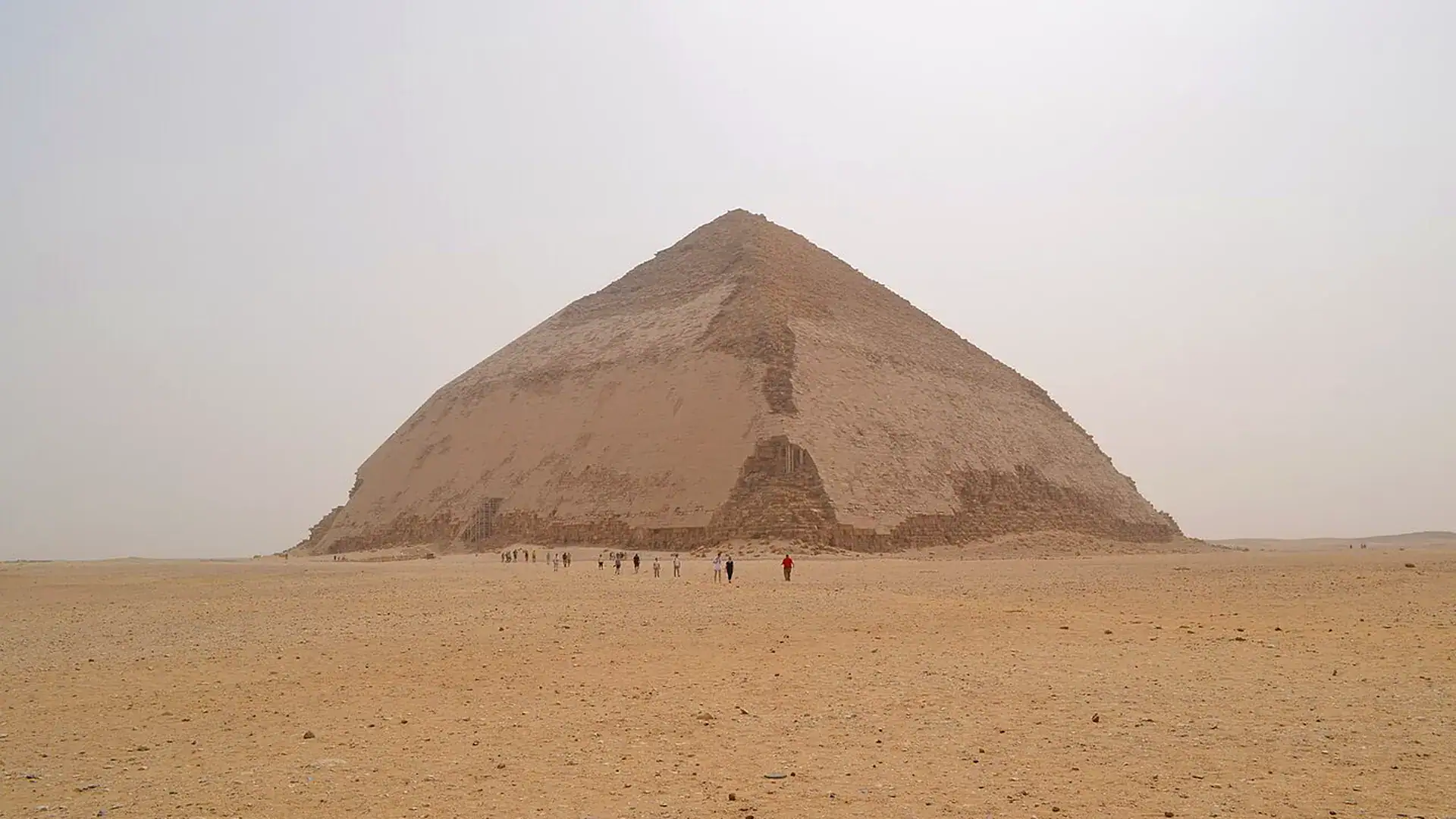
Visually, the Bent Pyramid is one of Egypt’s most distinctive monuments, rising to about 105 metres. Initially, its lower section climbed at roughly 54–55 degrees; however, the builders later reduced the upper slope to about 43 degrees.
Remarkably, much of its original polished limestone casing remains in place. In addition, its two entrances and unusual internal arrangement make it a crucial record of architectural experimentation.
Look for the surviving white casing and dramatic break in angle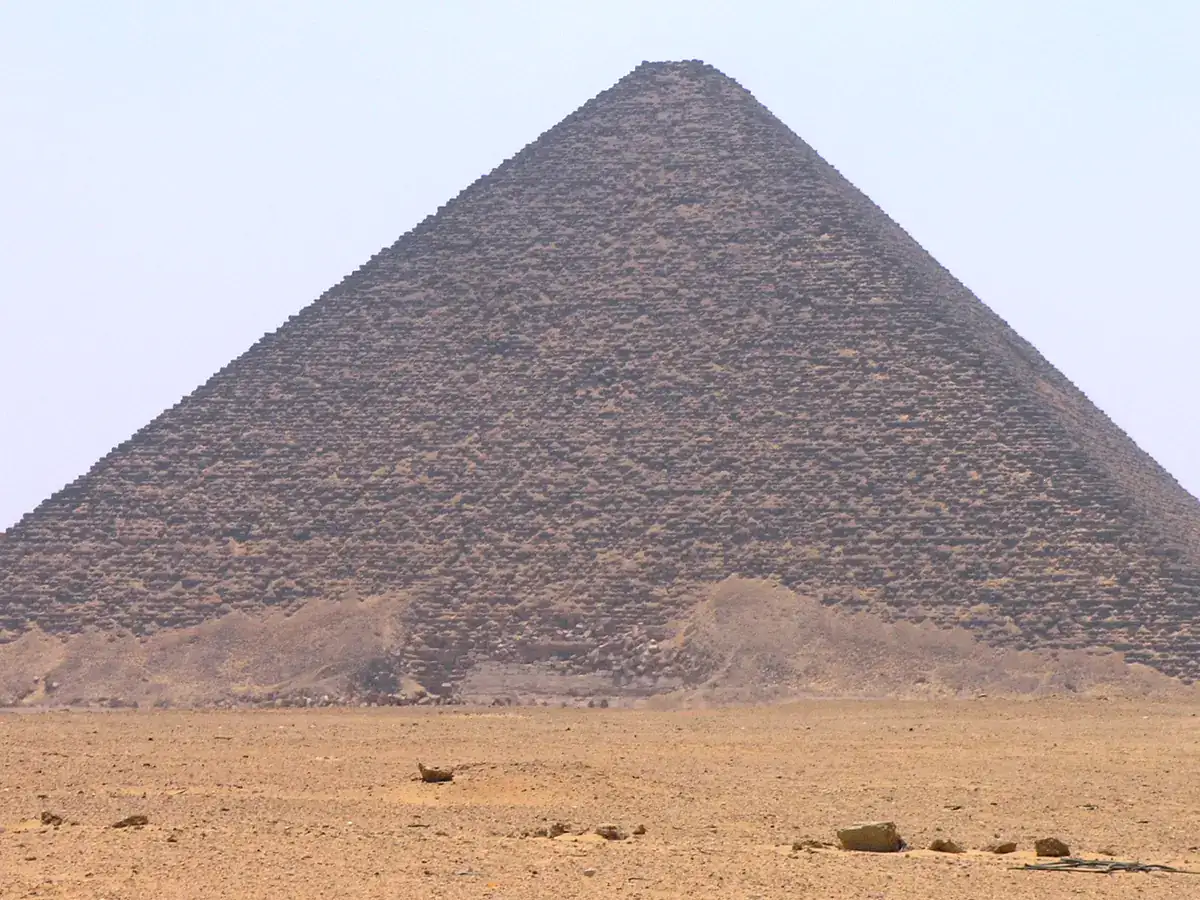 Sneferu’s Northern Pyramid
The Red Pyramid: Egypt’s First True Pyramid
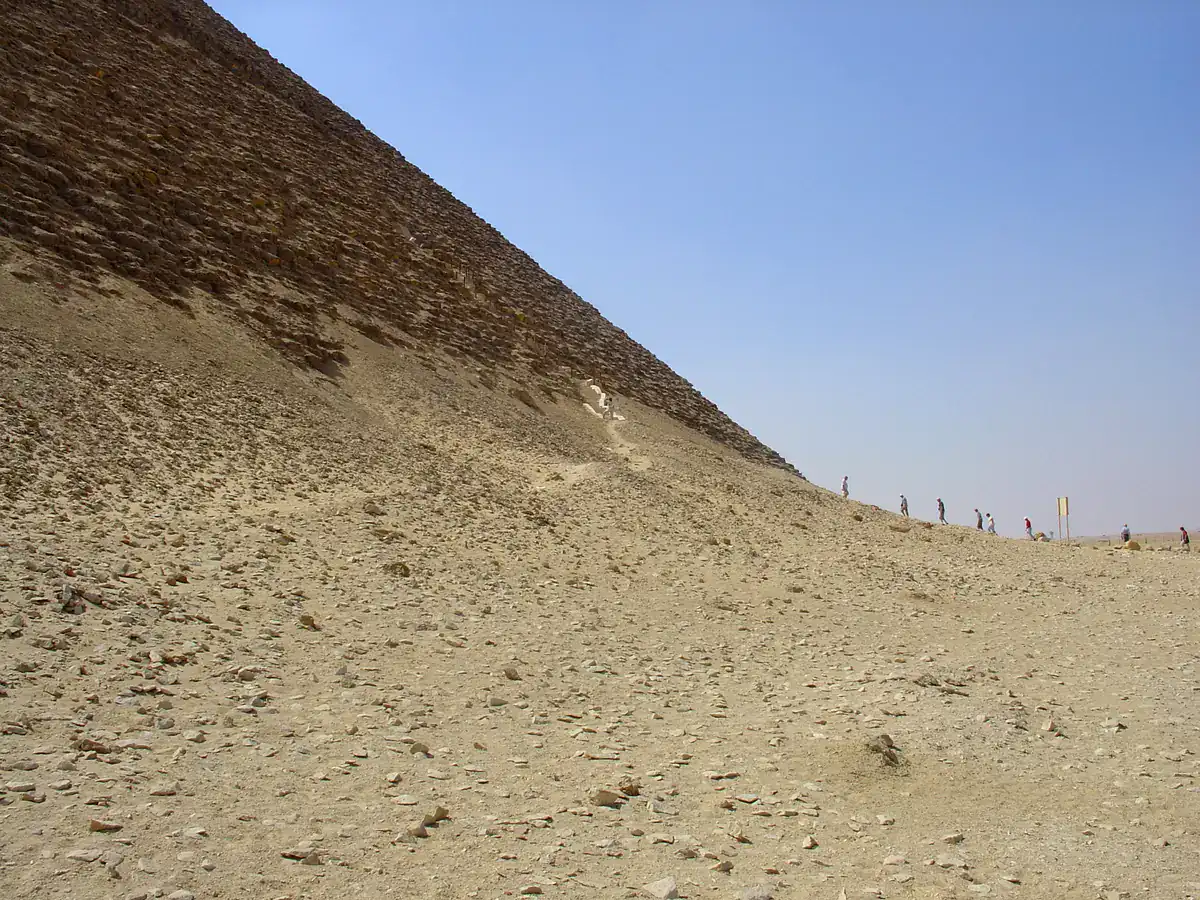
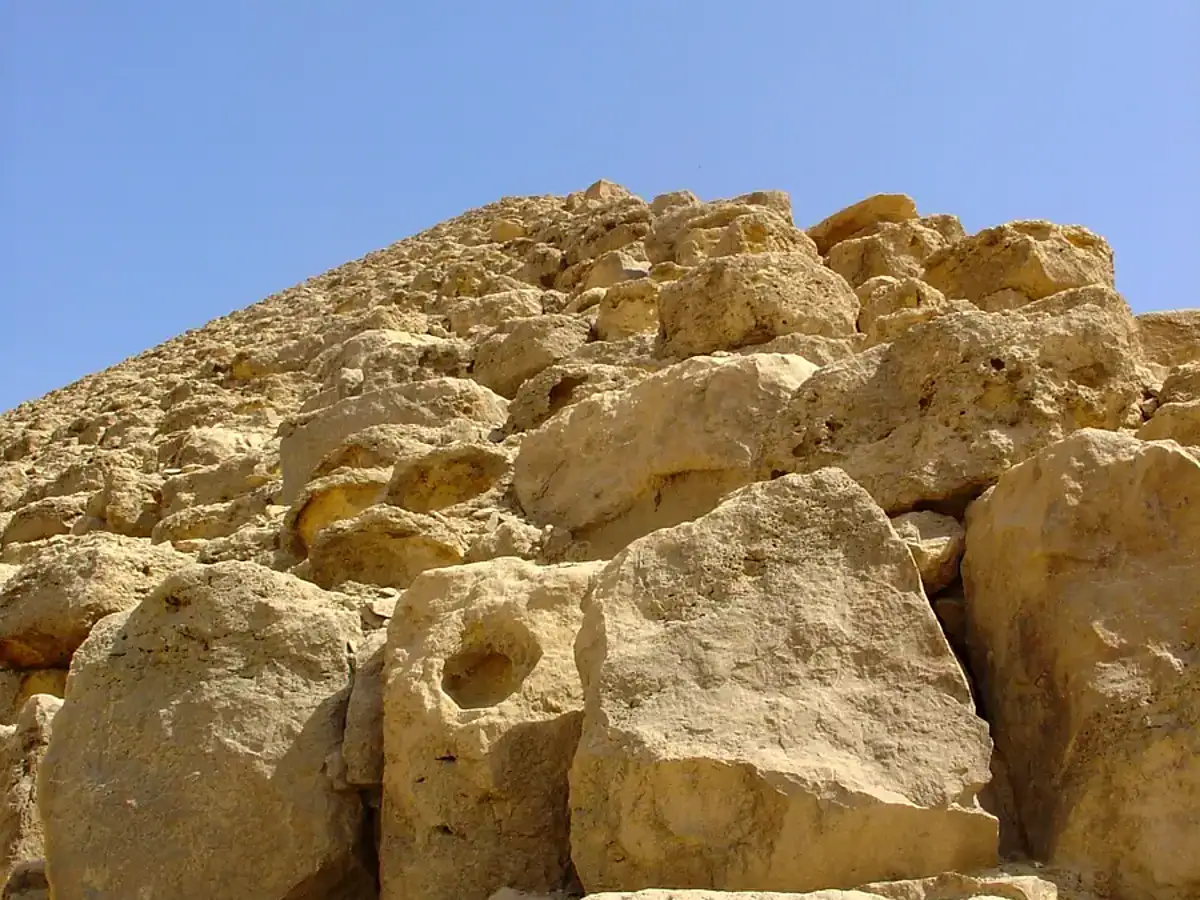
By contrast, the Red Pyramid was built with a consistent, shallower angle; it reaches approximately 104 metres and spans about 220 metres at its base. Today, its modern name reflects the reddish colour of the exposed limestone blocks after the outer casing was removed.
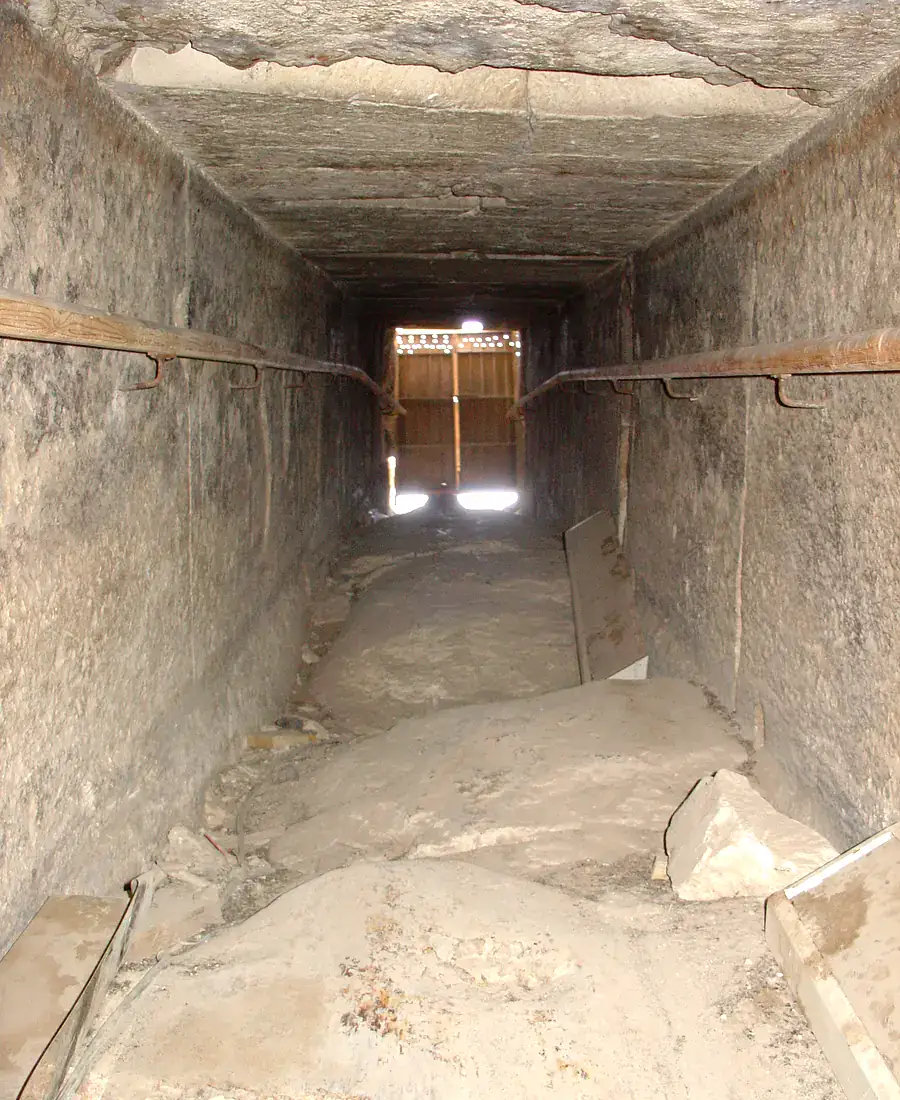
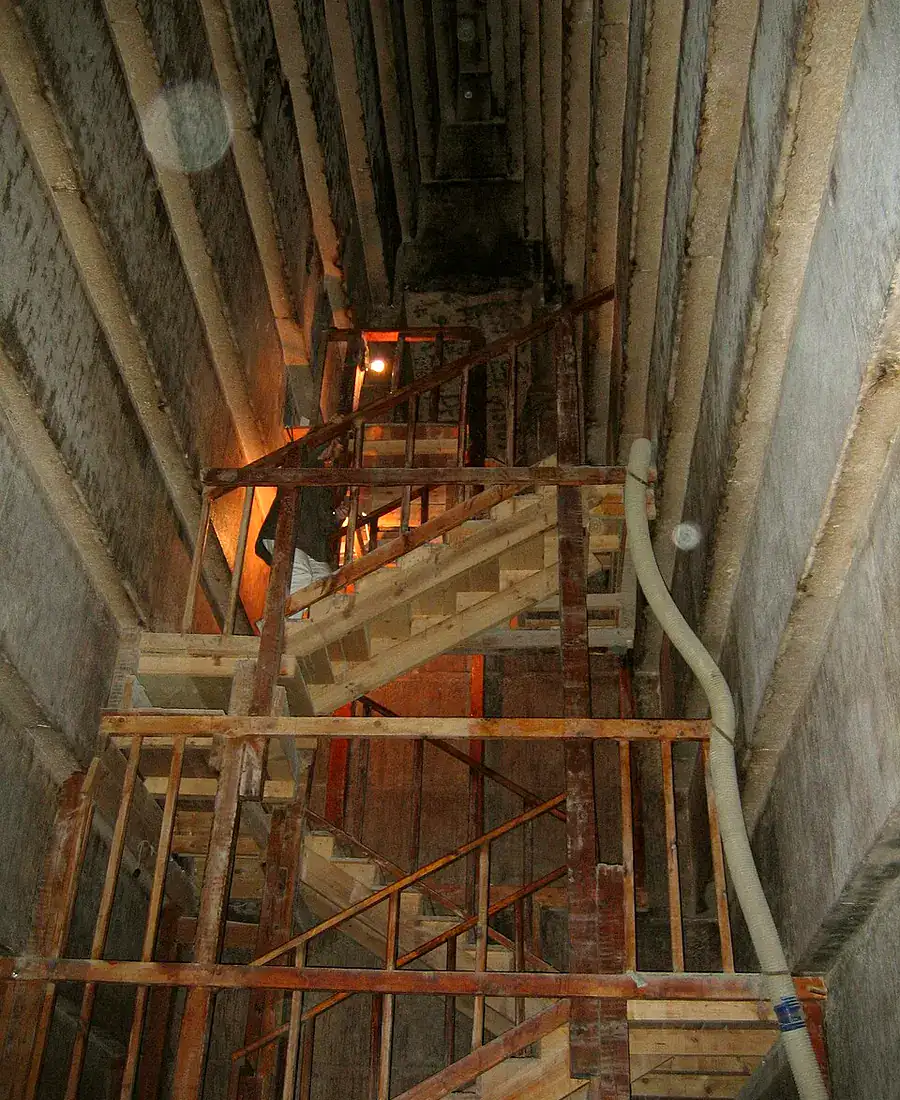
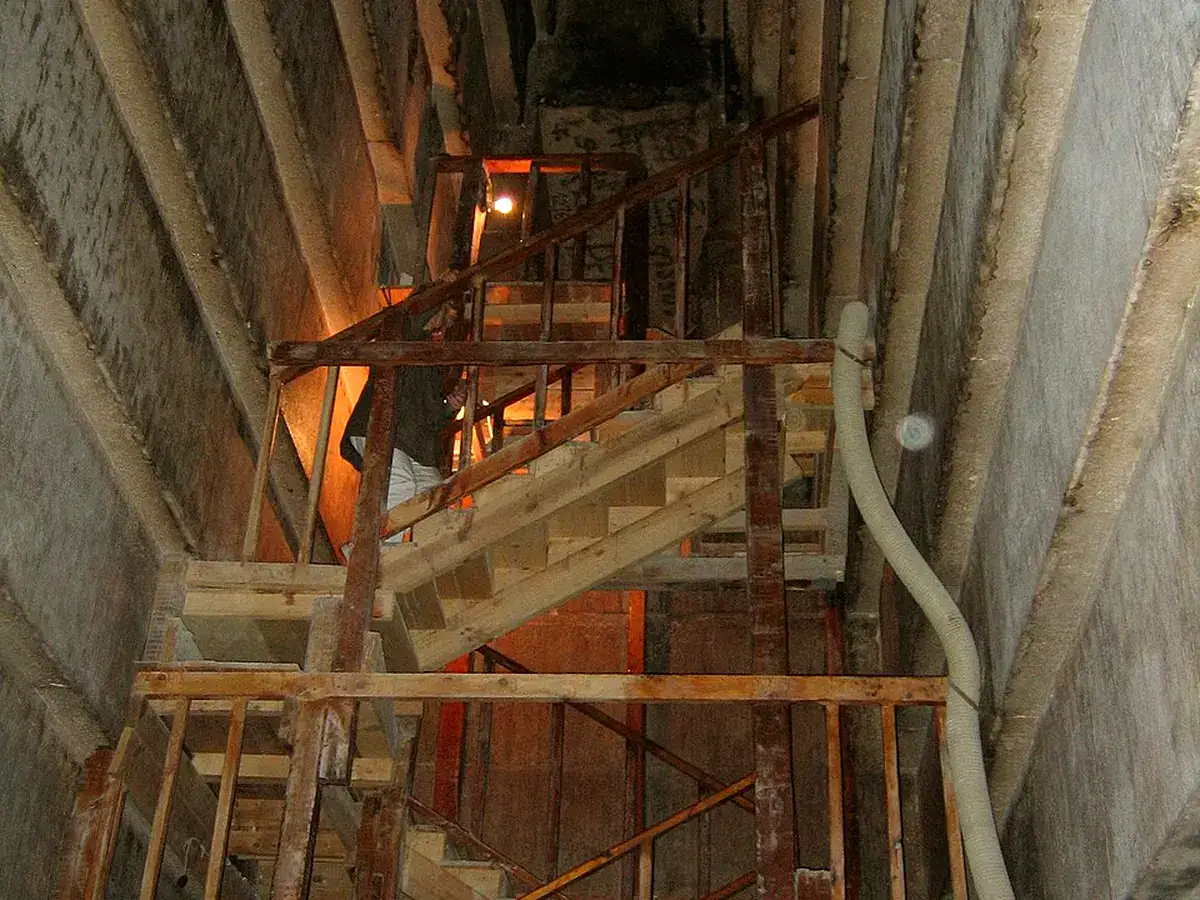
Inside, a long descending passage leads toward three corbelled chambers. Meanwhile, their inward-stepping roofs help manage the immense weight above.
Look for the broad profile, then compare it with the corbelled interior images below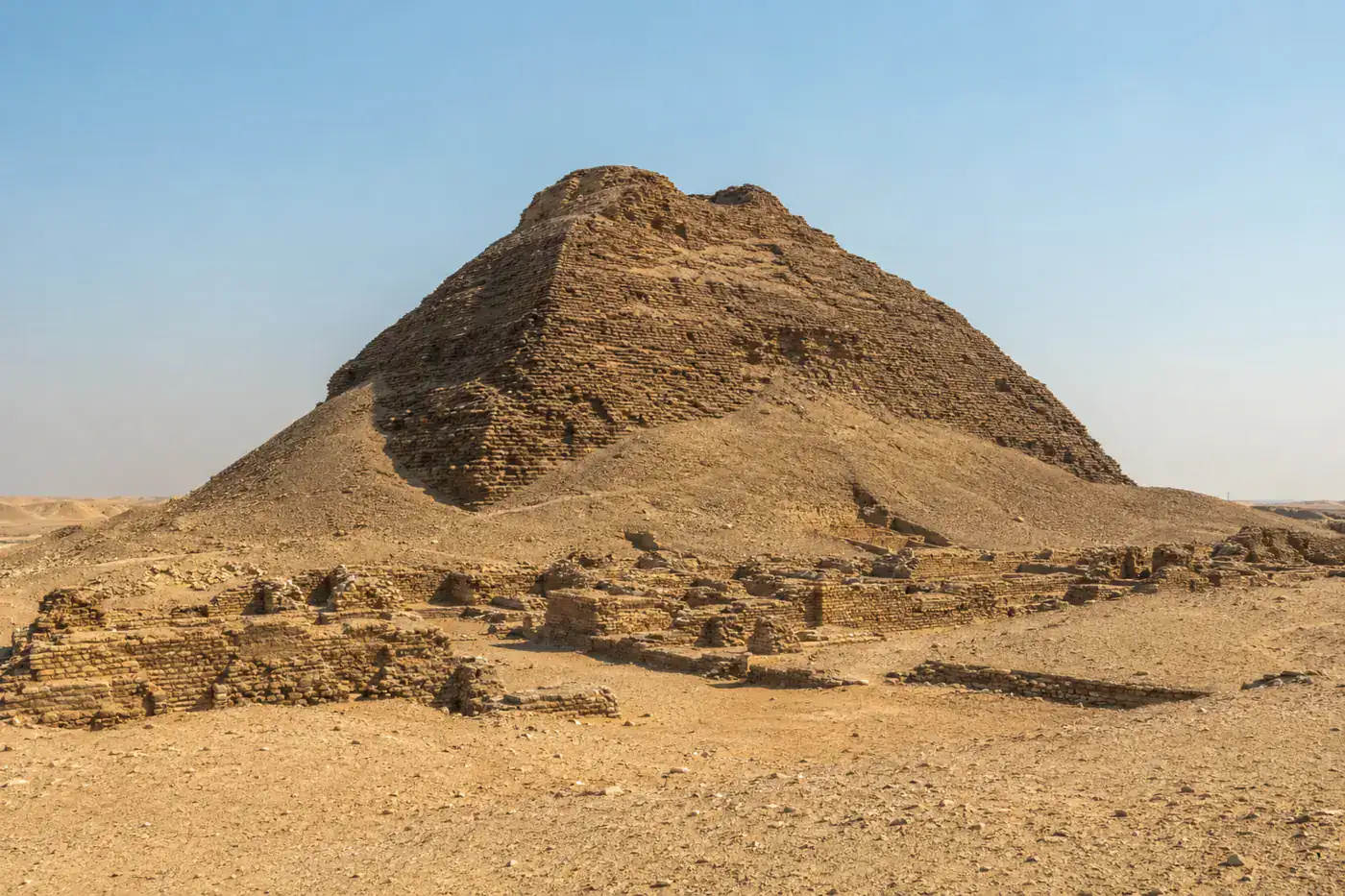 Twelfth Dynasty
Amenemhat III’s Black Pyramid at Dahshur
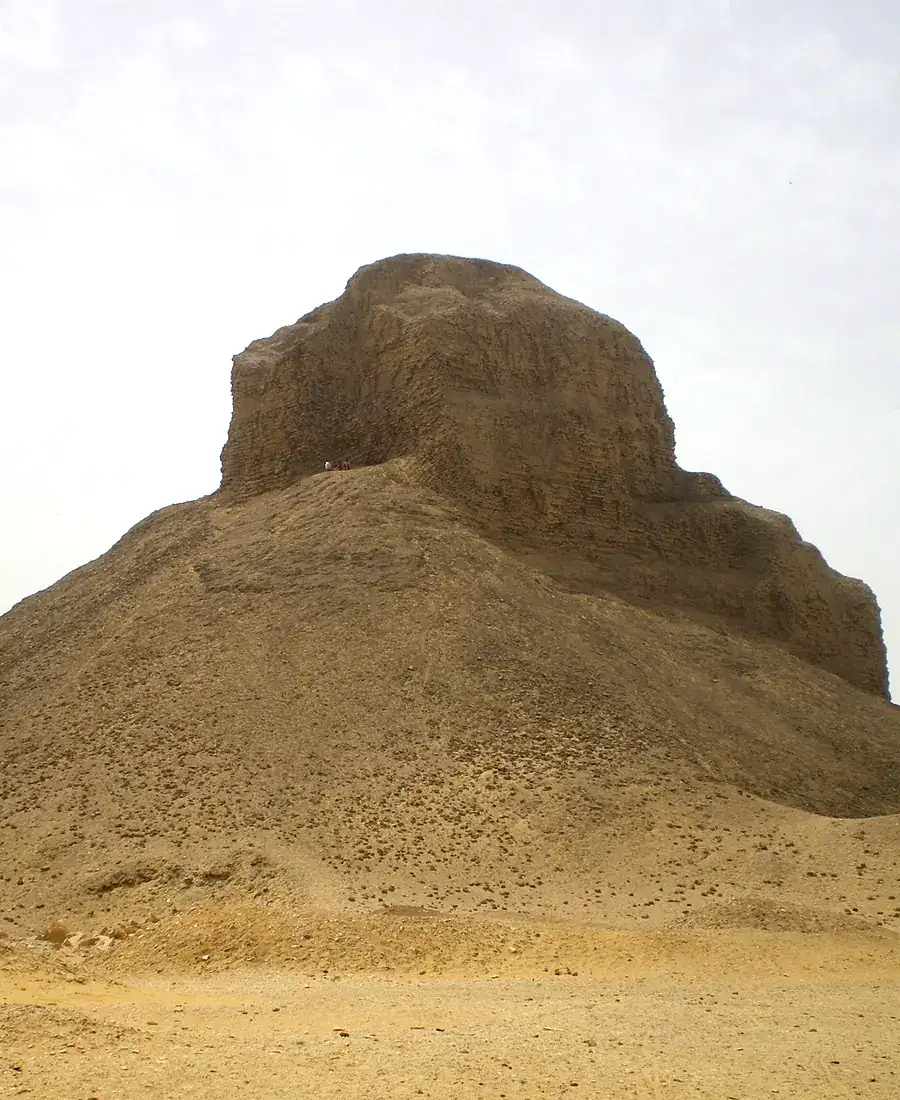
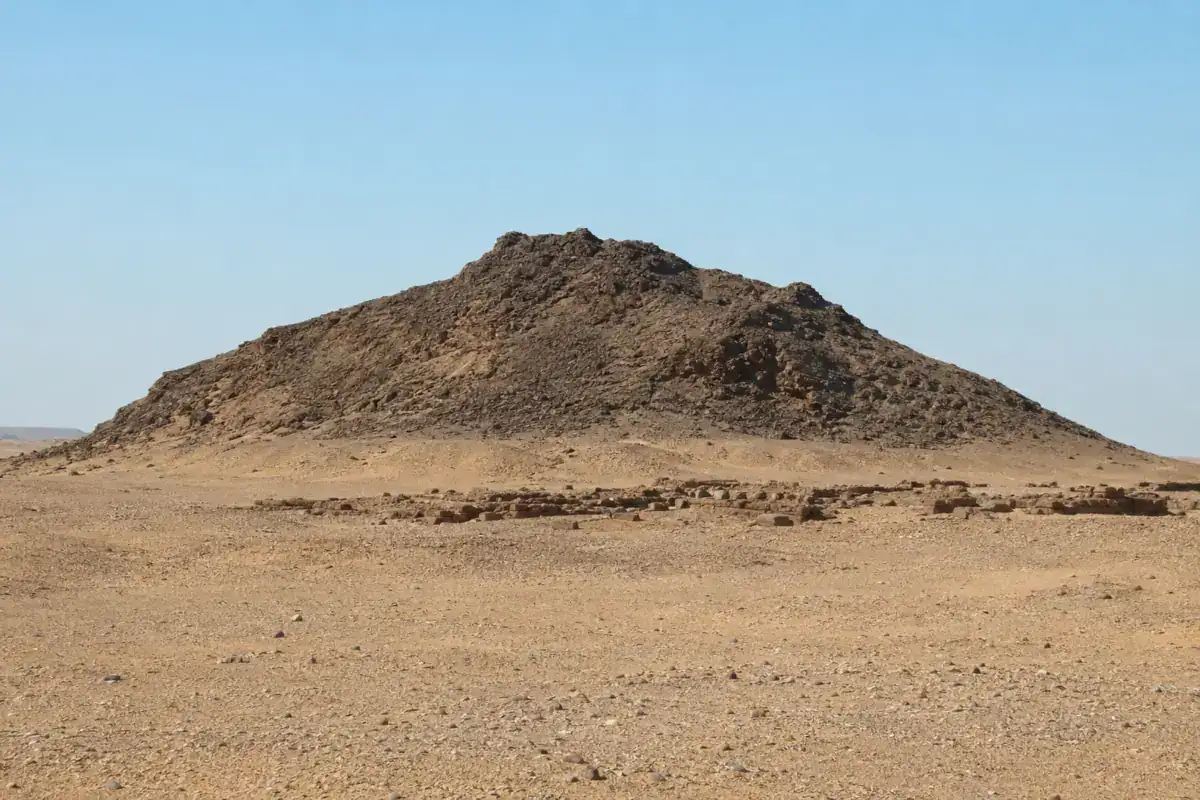
Centuries later, Amenemhat III constructed this complex Middle Kingdom pyramid with a mudbrick core once covered by fine limestone. Over time, erosion left the monument heavily damaged, producing the dark, mound-like appearance behind its modern name.
Nevertheless, its complex internal plan and multiple burial apartments still reveal the ambitions of Middle Kingdom royal architecture.
Look for the mudbrick mass and remains of its royal complex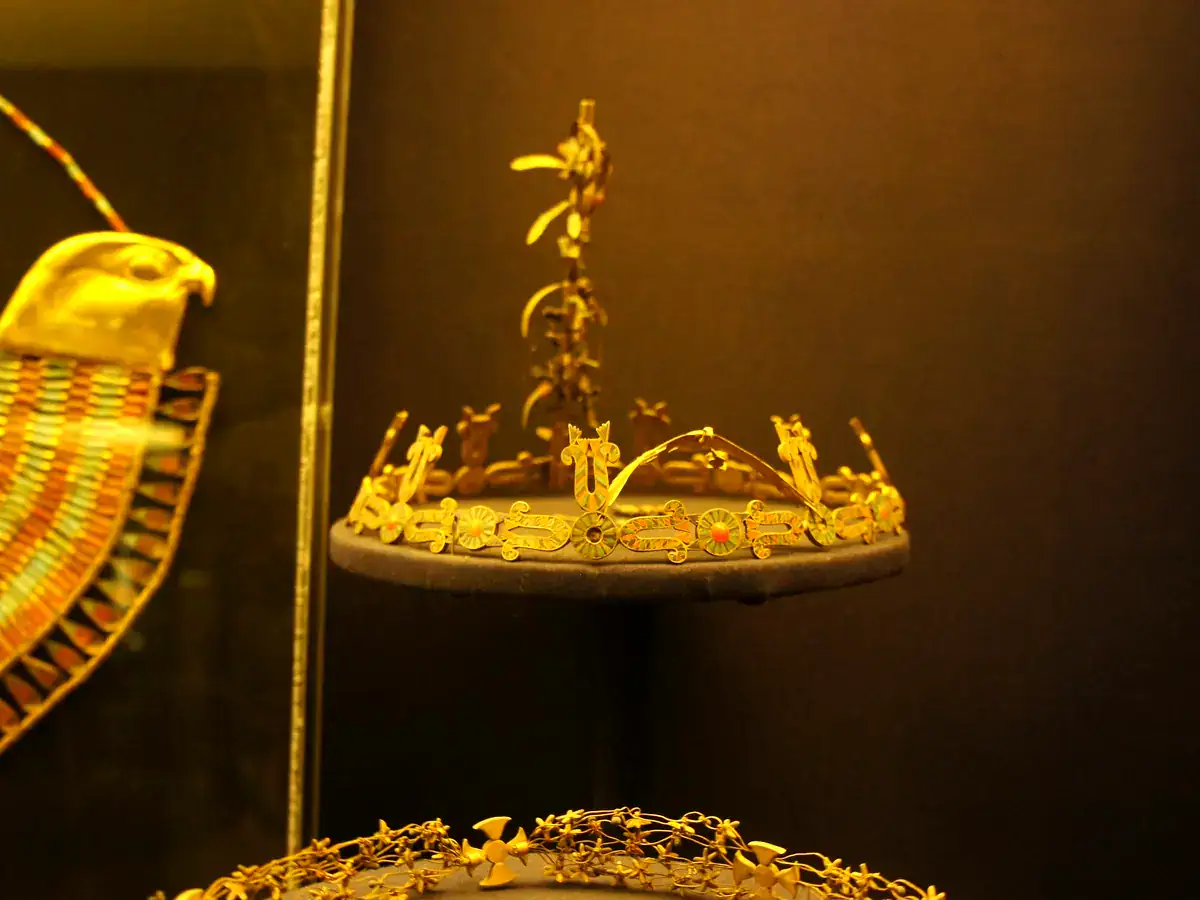 Royal Burials
Royal Burials and Treasures at Dahshur Necropolis
Burials associated with Middle Kingdom royal women produced some of ancient Egypt’s finest jewellery. For example, surviving diadems, pectorals, bracelets and ornaments demonstrate exceptional goldworking, stone inlay and symbolic design.
More broadly, these royal burial assemblages offer a vivid picture of courtly wealth and funerary belief during the Twelfth Dynasty.
Look for falcon motifs, coloured stone inlays and delicate goldworkArchaeology and Research
Archaeological Discoveries at Dahshur Necropolis
Over time, excavations at Dahshur have exposed not only pyramids but also temples, causeways, royal tombs, elite cemeteries and objects of extraordinary craftsmanship.
Sneferu’s two great pyramids document the technical development of true pyramid construction.
Royal complexes of the Twelfth and Thirteenth Dynasties transformed the landscape into an important later cemetery.
Jewellery and funerary objects from elite women revealed the artistic sophistication of the royal court.
Egyptian and international missions continue to study architecture, burials, settlement evidence and conservation needs.
Plan Your Visit
How to Visit Dahshur Necropolis
Because Dahshur is quieter and more widely spaced than Giza, thoughtful planning makes the experience more comfortable.
Start Early
Therefore, start early because the open desert becomes hot and exposed during the middle of the day.
Travel by Car
Moreover, a private vehicle or organised tour is the most practical way to reach the site and move between the pyramids.
Check Pyramid Access
However, interior access and ticket arrangements can change, particularly during conservation work.
Allow 2–3 Hours
Consequently, give yourself enough time for exterior views, photography and at least one pyramid interior when open.
Location Map
Where Is Dahshur Necropolis?
Geographically, Dahshur lies on the western desert edge south of Saqqara and forms the southern end of the great Memphite pyramid fields.
Dahshur: The Southern Pyramid Field of Memphis
The Red and Bent pyramids stand apart within a broad desert landscape. Therefore, a vehicle remains useful even after entering the archaeological zone.
Preservation and Research
Protecting the Archaeological Heritage of Dahshur Necropolis
Wind, sand, moisture, unstable masonry and expanding cultivation all affect the archaeological landscape. In particular, mudbrick monuments such as the Black Pyramid remain vulnerable because erosion slowly removes their exposed cores.
At the same time, the interiors of Sneferu’s pyramids require structural monitoring, controlled access and careful conservation. Therefore, protecting Dahshur involves both monumental engineering and management of the wider desert setting.
Interactive Gallery
Dahshur Necropolis in Pictures
Explore Sneferu’s pyramids, their interiors and the later royal monuments that transformed Dahshur across many centuries.


Continue Exploring Ancient Egypt
Explore the Pyramid Fields Around Cairo
Continue through the connected royal landscapes of Saqqara, Dahshur and Giza, or visit them on a private day tour.
Frequently Asked Questions
Dahshur Necropolis FAQ
Why is Dahshur important?
Dahshur preserves the Bent and Red pyramids, which document the transition from experimental forms to the successful true pyramid.
Who built the Bent and Red pyramids?
Both were built for King Sneferu, the first ruler of Egypt’s Fourth Dynasty and the father of Khufu.
Why does the Bent Pyramid change angle?
The builders probably reduced the angle in response to structural concerns during construction, although scholars continue to discuss the precise reasons.
Is the Red Pyramid the first true pyramid?
It is widely considered the earliest successfully completed large pyramid with straight, smooth sides.
Can visitors enter the pyramids at Dahshur?
Although interior access is sometimes available, openings and ticket arrangements may change for conservation or operational reasons.
What is the Black Pyramid?
It is the heavily eroded mudbrick pyramid of the Twelfth Dynasty king Amenemhat III.
How long should I spend at Dahshur?
Generally, two to three hours suits the main exterior views and one interior. However, a slower visit can take longer.
Historical and architectural details reviewed against Egypt’s Ministry of Tourism and Antiquities, its official pages for the Bent Pyramid and Red Pyramid, and the UNESCO World Heritage record for Memphis and its Necropolis. Visitor arrangements remain subject to local change.
Explore the Pyramids That Changed History
Visit Dahshur with a private Egyptologist guide and combine it with Saqqara and Memphis.