
King Khufu was the second pharaoh of Egypt’s Fourth Dynasty and the ruler who commissioned the Great Pyramid of Giza. Known as Cheops in Greek sources, he ruled during the Old Kingdom in the 26th century BCE. Although surprisingly little survives about his personality and daily life, his pyramid became the largest pyramid ever constructed and remains the last surviving Wonder of the Ancient World.
Who was King Khufu? The quick answer
King Khufu, whose fuller Egyptian name was Khnum-Khufu, was a Fourth Dynasty pharaoh and the son of King Sneferu. He ruled Egypt around 2589–2566 BCE and commissioned the Great Pyramid at Giza. His reign belongs to the height of Egypt’s Old Kingdom, an era of powerful royal administration, monumental architecture and extraordinary advances in stone construction.
King Khufu Quick Facts
| Royal name | Khufu / Khnum-Khufu |
|---|---|
| Greek name | Cheops |
| Dynasty | Fourth Dynasty |
| Period | Old Kingdom |
| Father | King Sneferu |
| Famous monument | Great Pyramid of Giza |
| Pyramid’s ancient name | Akhet-Khufu, usually translated as “Horizon of Khufu” |
| Original pyramid height | Approximately 146.5 meters |
Who Was King Khufu?
Khufu became one of the most important rulers of Egypt’s Old Kingdom. His father, King Sneferu, founded the Fourth Dynasty and oversaw major pyramid projects at Meidum and Dahshur, including the Bent Pyramid and Red Pyramid. As a result, Khufu inherited both a powerful kingdom and generations of growing architectural knowledge.
Moreover, Egypt already possessed the skilled craftsmen, administrators, quarry workers and transport networks required for large royal projects. Khufu used those resources on an unprecedented scale at Giza.
A Pharaoh Known Through His Monument
Interestingly, the enormous scale of Khufu’s architectural legacy contrasts with the small number of surviving images of the king. We know far more about his pyramid than about his appearance, personality or daily life.
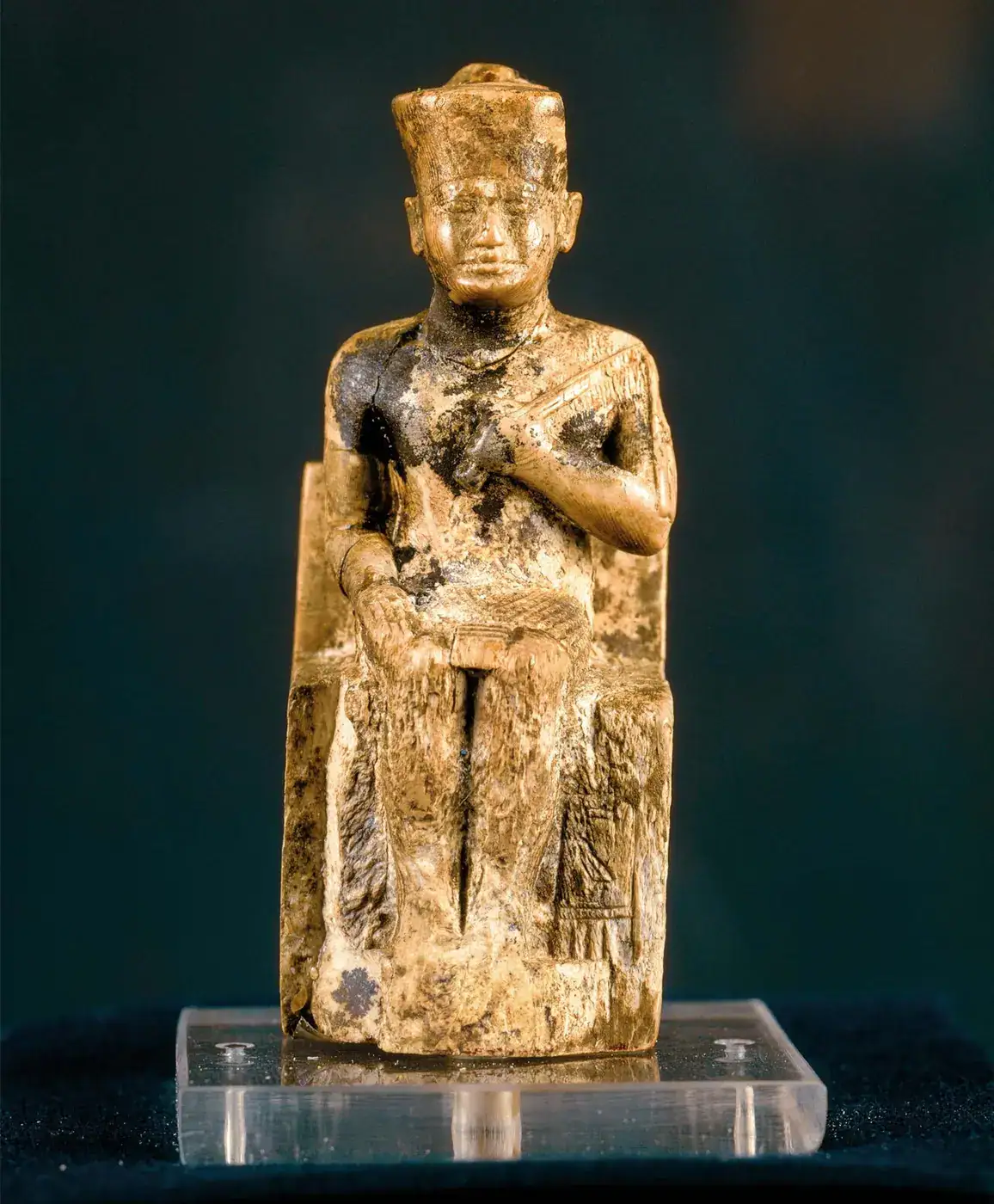
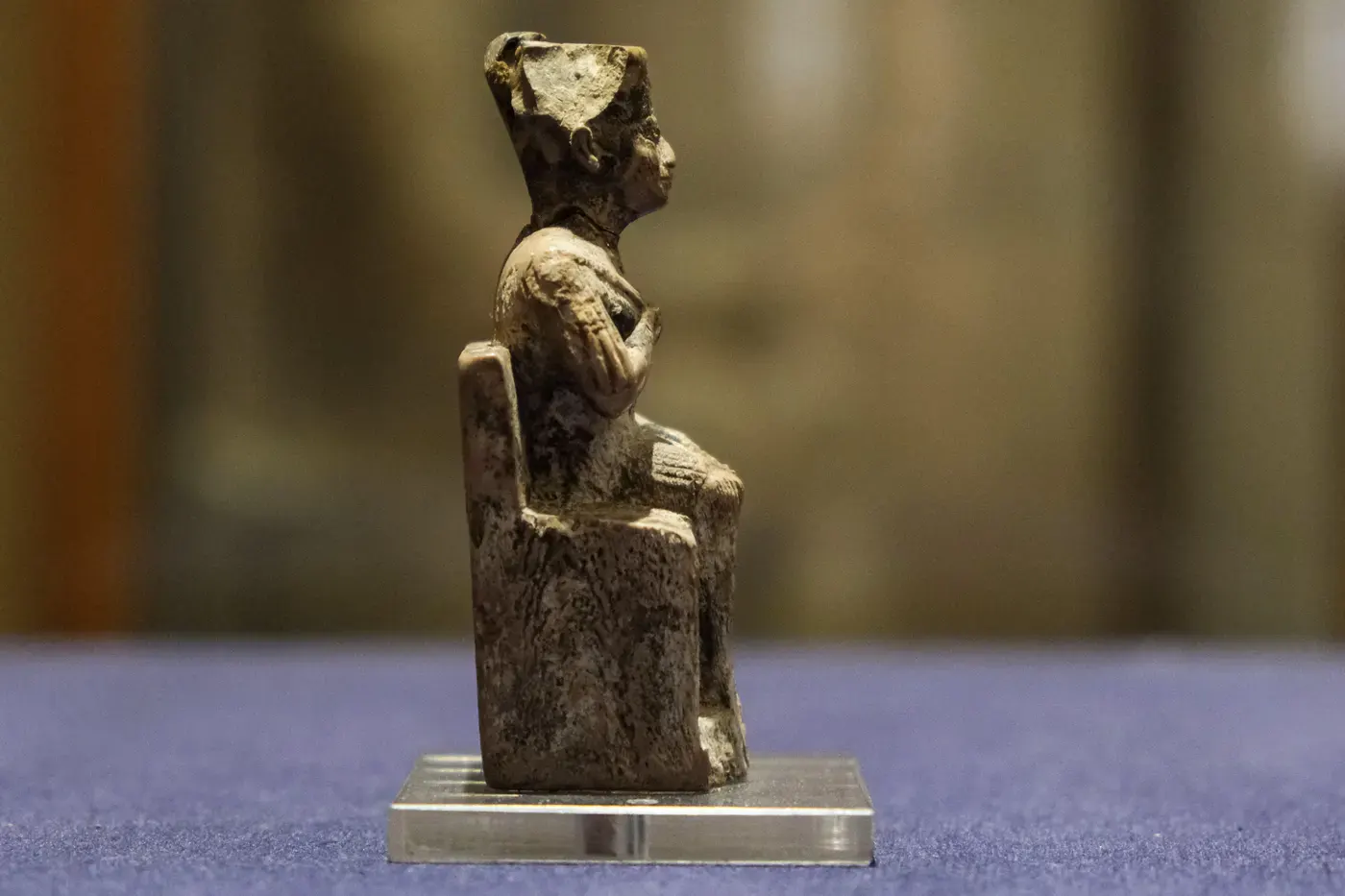
For comparison with the archaeological record, the Egyptian Ministry of Tourism and Antiquities provides an official description of the ivory statue.
Khufu, Khnum-Khufu and Cheops: Why So Many Names?
Today, most Egyptologists call the pharaoh Khufu. However, his fuller Egyptian name was Khnum-Khufu and invoked Khnum, an important creator god in ancient Egyptian religion.
Meanwhile, Greek writers used the name Cheops. Therefore, travelers often encounter both Khufu and Cheops in books, museum displays and older archaeological publications.
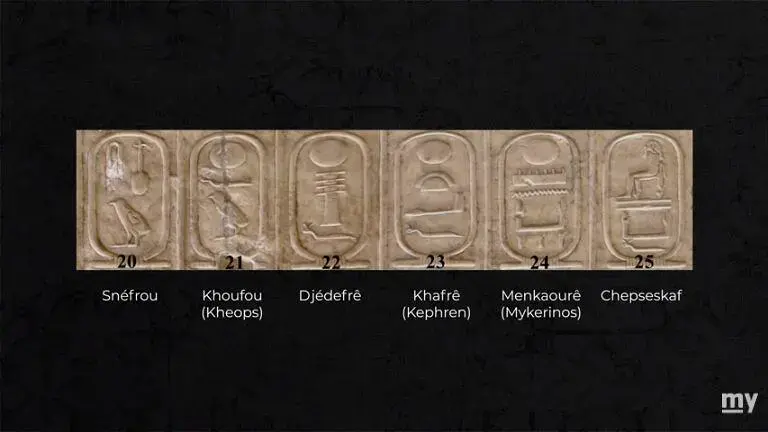
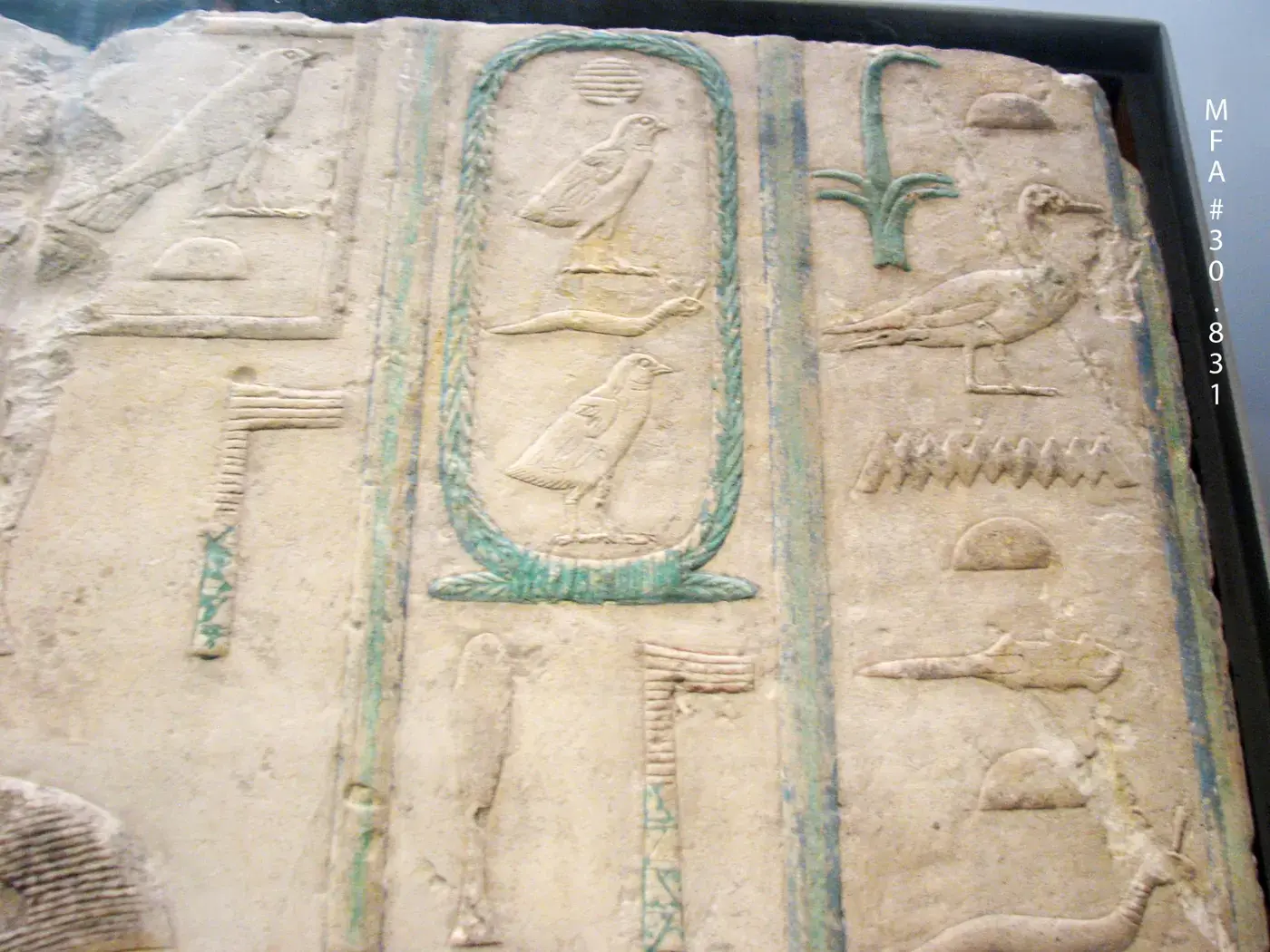
Why Do Historians Use the Name Cheops?
Classical Greek authors wrote about Egypt many centuries after the pyramid age. They rendered the pharaoh’s Egyptian name as Cheops. Consequently, this Greek form became widespread in European literature.
Modern Egyptology, however, normally prefers the Egyptian form Khufu.
The Royal Family of King Khufu
Khufu belonged to one of the Old Kingdom’s most influential royal families. His father, Sneferu, founded the Fourth Dynasty and became one of the most important figures in the development of pyramid architecture, while scholars generally identify Queen Hetepheres I as Khufu’s mother.
However, reconstructing every marriage and parent-child relationship remains difficult. Archaeologists have identified several royal women and princes connected with Khufu, but surviving evidence leaves some relationships uncertain.
Khufu’s Sons and Successors
Among the best-known princes associated with the royal family are Kawab, Djedefre and Khafre. Djedefre succeeded Khufu and constructed his pyramid at Abu Rawash. Later, Khafre became king and built the second great pyramid at Giza.
Therefore, the Giza Plateau represents more than three isolated pyramids. Instead, it preserves a royal landscape that developed across successive generations of the Fourth Dynasty.
King Khufu and the Great Pyramid of Giza
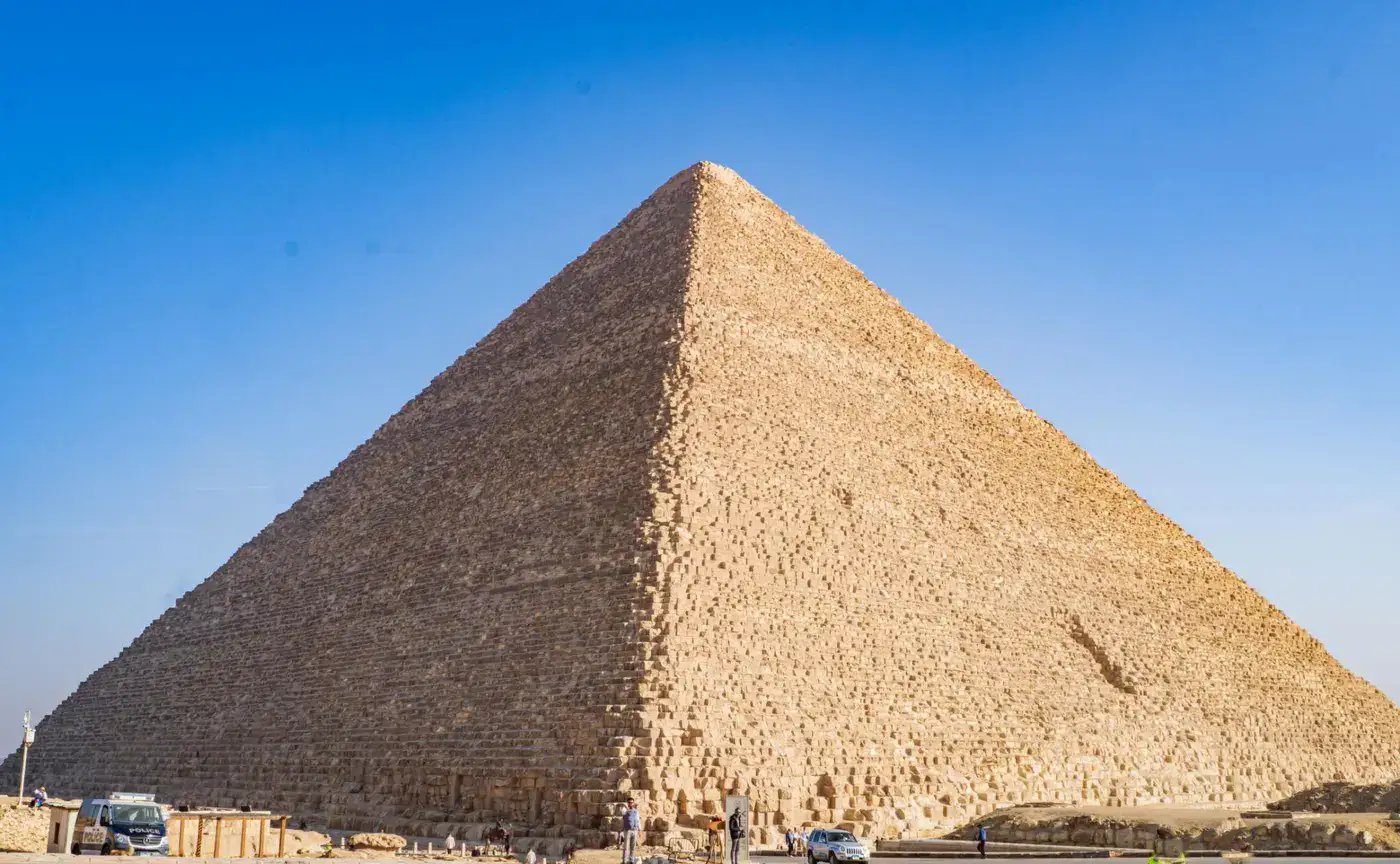
The monument that transformed Khufu into one of history’s most recognizable pharaohs is the Great Pyramid of Giza. It stands on the northern part of the Giza Plateau and became the first and largest of the three principal royal pyramids there.
How Tall Was the Great Pyramid?
The pyramid originally rose approximately 146.5 meters. In addition, it remained the tallest human-made structure in the world for thousands of years.
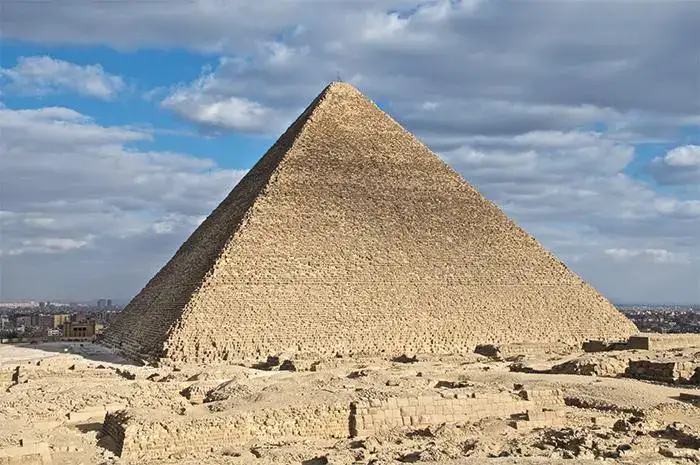
Builders used mainly local limestone for the core. However, high-quality Tura limestone once covered much of the exterior and created a smooth outer surface.
The Egyptian Ministry of Tourism and Antiquities provides additional archaeological information in its official Great Pyramid guide.
How Long Did Construction Take?
Experts place construction within Khufu’s reign, while estimates commonly suggest that the main project took roughly two decades. Nevertheless, researchers still debate many details of the construction process and logistics.
Earlier pyramid projects help explain how Egyptian builders developed this expertise. The story begins with King Djoser and the Step Pyramid at Saqqara, continues through Sneferu’s experiments at Meidum and Dahshur, and reaches an extraordinary scale under Khufu at Giza. For that reason, travelers can follow the architectural story on our Giza Pyramids, Saqqara and Memphis tour.
What Is Inside the Great Pyramid?
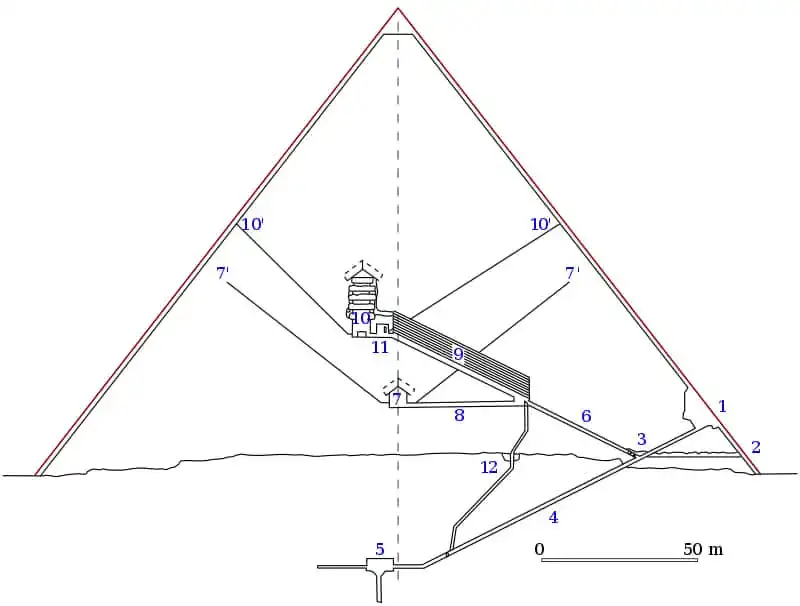
Popular culture often imagines a maze of hidden rooms inside the pyramid. In reality, the known internal system follows a more focused arrangement of passages, chambers and shafts at different levels.
The King’s Chamber
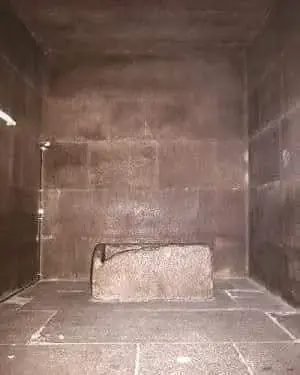
The King’s Chamber lies high within the pyramid’s masonry and contains large granite blocks. A granite sarcophagus remains inside. Visitors reach the chamber through a sequence of passages that includes the remarkable Grand Gallery.
The Grand Gallery and Other Chambers
The Grand Gallery ranks among the pyramid’s most impressive internal spaces. In addition, the monument contains a chamber traditionally called the Queen’s Chamber and another chamber cut into the bedrock beneath the pyramid.
Modern non-invasive surveys have also detected previously unknown spaces. However, researchers have not established that these voids served as burial chambers or treasure rooms. Therefore, descriptions such as “secret tomb” go beyond the evidence currently available.
Where Is King Khufu’s Mummy?
Archaeologists have never securely identified Khufu’s mummy. Likewise, no surviving collection of royal burial equipment allows researchers to reconstruct his funeral in the same detail as later royal burials.
Nevertheless, archaeological evidence identifies the Great Pyramid as Khufu’s royal funerary monument. The granite sarcophagus still stands inside the upper chamber, although the king’s remains are no longer there.
Is There a Hidden Tomb Inside the Pyramid?
Modern scanning projects have revealed previously unknown voids, and these discoveries have generated considerable interest. However, a void does not automatically represent a tomb.
As a result, claims that archaeologists have already found a hidden chamber containing the king’s mummy remain unsupported. Future investigations may reveal more about the pyramid’s internal architecture, but the location of Khufu’s remains remains unknown.
What We Know — and What Remains a Mystery
Archaeology firmly connects the pharaoh with the Great Pyramid. Researchers also understand its principal known chambers and passages. However, the mummy has never received a secure identification, while scientists continue to investigate the purpose of newly detected internal spaces.
Khufu and Ancient Egyptian Beliefs About the Afterlife
For ancient Egyptian rulers, a pyramid meant much more than a monumental container for a body. Royal funerary complexes reflected ideas about death, rebirth, divine kingship and eternal existence.
Therefore, we should understand the Great Pyramid within a wider sacred landscape. Temples, ritual spaces, subsidiary pyramids, elite tombs and boat pits all contributed to the funerary environment.
Why Doesn’t the Great Pyramid Contain Pyramid Texts?
Later Old Kingdom pyramids preserve inscriptions known as the Pyramid Texts. These religious texts describe the king’s transformation and journey into the divine realm.
However, Khufu lived before rulers began placing these texts on pyramid chamber walls. Consequently, Egyptologists use architecture, later religious texts and comparative archaeological evidence to understand many aspects of Fourth Dynasty funerary belief.
The Royal Boats of King Khufu
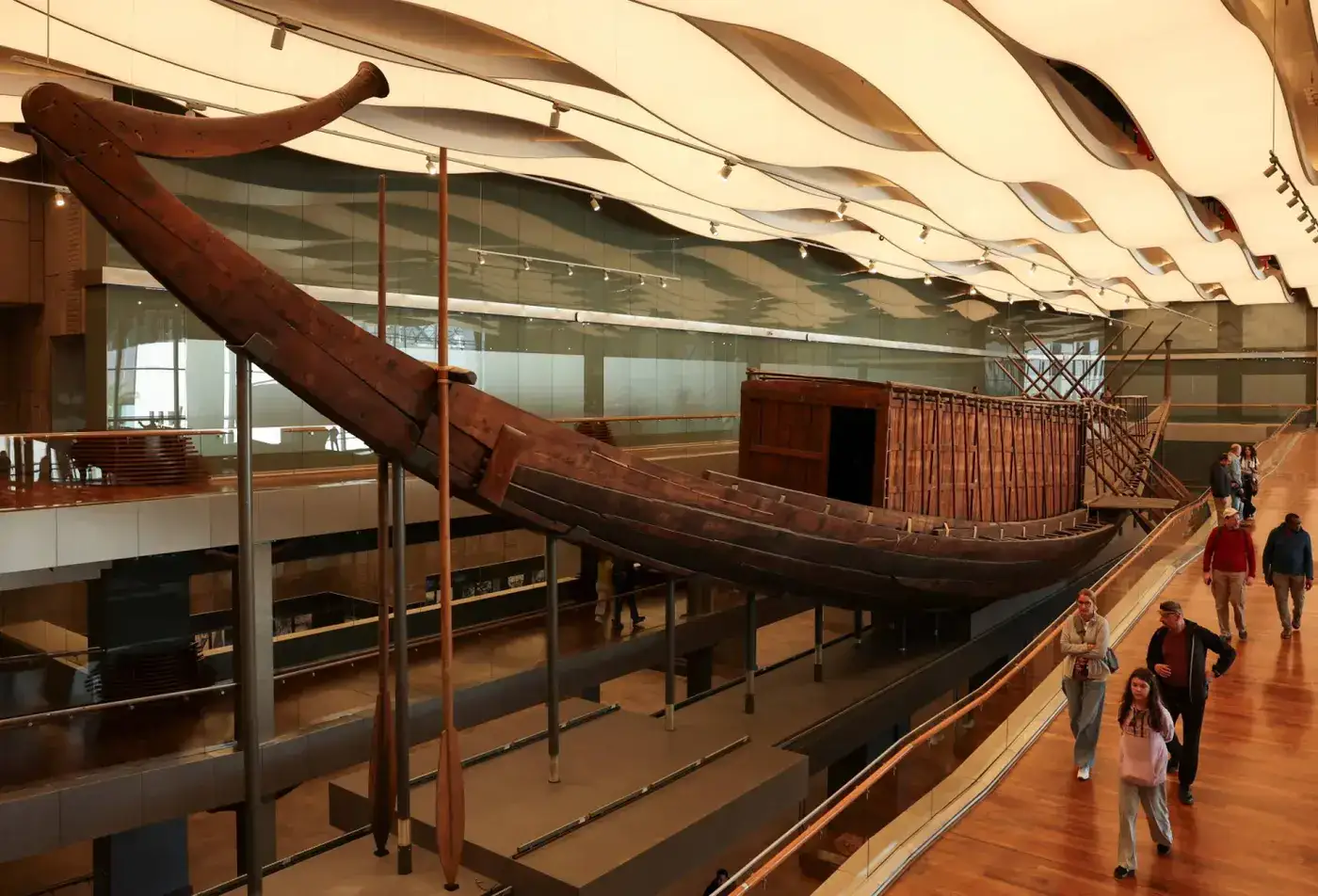
Among the most remarkable discoveries beside the Great Pyramid are the royal boats. Archaeologists found two major wooden vessels in sealed pits south of the monument during the twentieth century.
Discovery and Reconstruction
Archaeologists discovered the first boat in 1954 in dismantled form. Craftsmen had placed more than a thousand wooden components inside the pit. Subsequently, specialists painstakingly reconstructed the vessel.
The boat demonstrates the remarkable woodworking and shipbuilding skills available during the Old Kingdom. Moreover, its preservation gives visitors a rare opportunity to see large-scale organic material from the pyramid age.
What Was the Boat Used For?
Researchers have proposed several functions for the vessels. They may have played practical roles in royal funerary ceremonies, symbolic roles connected with the king’s journey into the afterlife, or both.
Today, visitors can explore this story at the Grand Egyptian Museum. The museum provides more information about Khufu’s Boats Museum.
Alternatively, travelers can combine the museum with Giza on our Giza Pyramids & Grand Egyptian Museum tour.
The Famous Ivory Statue of King Khufu
One of the great ironies of Khufu’s legacy comes from the contrast between his enormous pyramid and the tiny scale of his best-known surviving portrait.
Archaeologists found the small ivory statuette at Abydos. It measures only about 7.5 centimeters high. Yet the object carries enormous historical importance because it provides a rare three-dimensional representation associated with the ruler.
The Missing Head
When excavators discovered the statuette, its head was missing. Flinders Petrie recognized the importance of the object and ordered a search. Eventually, the excavation team recovered the missing head.
The statue therefore provides a remarkable contrast: one of ancient Egypt’s greatest builders survives visually through one of its smallest royal sculptures.
You can compare this account with the official archaeological description from Egypt’s Ministry of Tourism and Antiquities.
Did King Khufu Really Build the Great Pyramid?
Archaeological evidence strongly connects Khufu with the Great Pyramid. The monument formed the center of his funerary complex, while inscriptions, archaeological context and administrative documents connect the Giza project with his reign.
Akhet-Khufu: The Horizon of Khufu
Ancient Egyptian records call the pyramid complex Akhet-Khufu, commonly translated as the “Horizon of Khufu.” In addition, Khufu’s royal name appears in evidence connected with the monument and its construction context.
Consequently, claims that the Great Pyramid has no archaeological connection with Khufu ignore several independent lines of evidence.
The Diary of Merer: Evidence From Khufu’s Reign
One of the most important pieces of evidence comes from the Wadi el-Jarf papyri. Archaeologists discovered these administrative documents at an ancient Red Sea harbor. Among them was the logbook of an official named Inspector Merer.
Merer recorded the daily work of his crew during the reign of Khufu. His log describes journeys connected with transporting limestone from the Tura area toward Akhet-Khufu at Giza.
This evidence matters because it comes from an administrative document produced during Khufu’s own reign rather than from a historian writing thousands of years later. Therefore, the papyri provide an unusually direct glimpse into the logistics surrounding the royal building project.
For readers who want to examine the primary evidence, the Institut français d’archéologie orientale publishes an English translation of the Wadi el-Jarf papyri and Merer’s logbook.
Who Actually Built the Pyramid?
Khufu commissioned the monument, but a huge organized workforce made the project possible. Archaeological discoveries at Giza reveal communities of workers, craftsmen, administrators and support personnel.
Moreover, a project of this scale required quarrying, food production, transportation, surveying, stone working and careful administration. The pyramid therefore demonstrates both engineering skill and the organizational power of the Old Kingdom state.
For additional archaeological context, see the Egyptian Ministry of Tourism and Antiquities’ official guide to the Giza Plateau.
The Legacy of King Khufu
Few rulers left a monument as recognizable as the Great Pyramid. More than 4,500 years after its construction, the structure remains one of the defining images of ancient Egypt.
However, the ruler himself remains surprisingly elusive. We know far more about his pyramid than about his personality. Later writers created stories about him, while archaeology has gradually added physical and documentary evidence to the historical picture.
Why Khufu Still Fascinates the World
His legacy extends beyond the pyramid’s extraordinary size. The monument provides a window into Old Kingdom engineering, royal authority, religion, transport, stone working and administration.
Moreover, the royal boats, ivory statuette, inscriptions, Merer papyri and surrounding archaeological landscape reveal different parts of his world. Meanwhile, unanswered questions about his burial and the pyramid’s internal spaces continue to inspire scientific investigation.
Why King Khufu Still Matters
King Khufu stands at the center of one of archaeology’s greatest stories. His Great Pyramid survived even though almost everything from his palace, court and personal life disappeared.
As a result, the monument became far more than a royal tomb. It remains a lasting record of the knowledge, organization and ambition of Old Kingdom Egypt.
How to Visit King Khufu’s Monuments in Egypt
The best place to explore his legacy is the Giza Plateau. Here, travelers can stand beside the Great Pyramid, explore the wider funerary landscape and continue to the pyramids of Khafre and Menkaure and the Great Sphinx.
Visit the Great Pyramid
A general Giza visit allows travelers to see the pyramid from outside. However, entry into the Great Pyramid normally requires a separate interior ticket and depends on current official access arrangements.
If you have limited time, our Half-Day Giza Pyramids Tour covers the principal pyramids and Great Sphinx with a private guide.
Combine Giza With the Grand Egyptian Museum
For a deeper look at the pyramid age, combine the plateau with the Grand Egyptian Museum. This option connects the archaeological site with original objects and the extraordinary story of the royal boats.
See our Giza Pyramids & Grand Egyptian Museum Tour for a complete day focused on ancient Egypt.
Follow the Evolution of Pyramid Building
Alternatively, follow the evolution of pyramid building from Saqqara to Dahshur and Giza. Saqqara preserves the Step Pyramid of King Djoser, while King Sneferu oversaw major pyramid projects at Meidum and Dahshur that helped establish the true smooth-sided pyramid tradition. His son Khufu then carried this architectural development to an extraordinary scale with the Great Pyramid of Giza.
Our Giza Pyramids, Saqqara & Memphis Tour follows this story in a single itinerary.
Explore the Great Pyramid With a Local Guide
See the Great Pyramid and Giza Plateau with a private guide, combine the pyramids with the Grand Egyptian Museum, or follow the development of pyramid building from Saqqara to Giza.
Frequently Asked Questions About King Khufu
Who was King Khufu?
Khufu was the second pharaoh of Egypt’s Fourth Dynasty. He ruled during the Old Kingdom and commissioned the Great Pyramid of Giza.
What is King Khufu famous for?
He is famous primarily for the Great Pyramid of Giza, the largest pyramid in Egypt and the last surviving Wonder of the Ancient World.
Was Khufu the first pharaoh of the Fourth Dynasty?
No. His father, Sneferu, founded the Fourth Dynasty. Khufu succeeded him as the dynasty’s second ruler.
What does the name Khufu mean?
Khufu is a shortened form of Khnum-Khufu, a royal name that invokes the creator god Khnum.
Is Khufu the same person as Cheops?
Yes. Cheops is the Greek form of the pharaoh’s name. Classical Greek writers used it centuries after the pyramid age.
Did Khufu build the Great Pyramid?
Khufu commissioned the Great Pyramid as the central monument of his royal funerary complex. Archaeological evidence, inscriptions and administrative records from his reign connect the Giza project with him.
What is the Diary of Merer?
The Diary of Merer is an ancient administrative logbook discovered among the Wadi el-Jarf papyri. Merer recorded the work and movements of his crew, including journeys involving limestone from Tura and Akhet-Khufu at Giza during Khufu’s reign.
How tall was the Great Pyramid originally?
It originally stood approximately 146.5 meters high. The loss of casing stones and material from the top reduced its present height.
Is Khufu’s mummy inside the Great Pyramid?
No securely identified mummy remains inside the pyramid today. However, a granite sarcophagus still stands in the King’s Chamber.
Has a secret chamber containing the mummy been found?
No. Modern scanning has detected previously unknown spaces, but researchers have not identified them as a hidden royal burial chamber containing Khufu’s mummy.
Where can visitors see Khufu’s boat?
Visitors can explore the royal boat story at Khufu’s Boats Museum at the Grand Egyptian Museum.
Can tourists enter the Great Pyramid?
Interior visits depend on current official access and ticketing arrangements. Entry inside the pyramid normally requires a separate ticket from general Giza Plateau admission.
Sources & Further Reading
This guide combines on-site travel knowledge with archaeological and official sources. For readers who want to explore the evidence in greater depth: