

Saqqara Necropolis
Saqqara: Egypt’s Ancient Necropolis and First Pyramid
Explore the Step Pyramid of Djoser, royal pyramids, painted mastabas and the mysterious Serapeum in the vast cemetery of ancient Memphis.
Quick Answer
What Is Saqqara Necropolis?
Saqqara Necropolis is the vast ancient cemetery of Memphis, about 40 km southwest of Cairo. It contains monuments from more than three millennia of Egyptian history, including the Step Pyramid of King Djoser—Egypt’s first pyramid—the Pyramid of Unas with the earliest known Pyramid Texts, decorated Old Kingdom mastabas and the underground Serapeum. Importantly, Saqqara forms part of the UNESCO World Heritage property Memphis and its Necropolis – the Pyramid Fields from Giza to Dahshur.
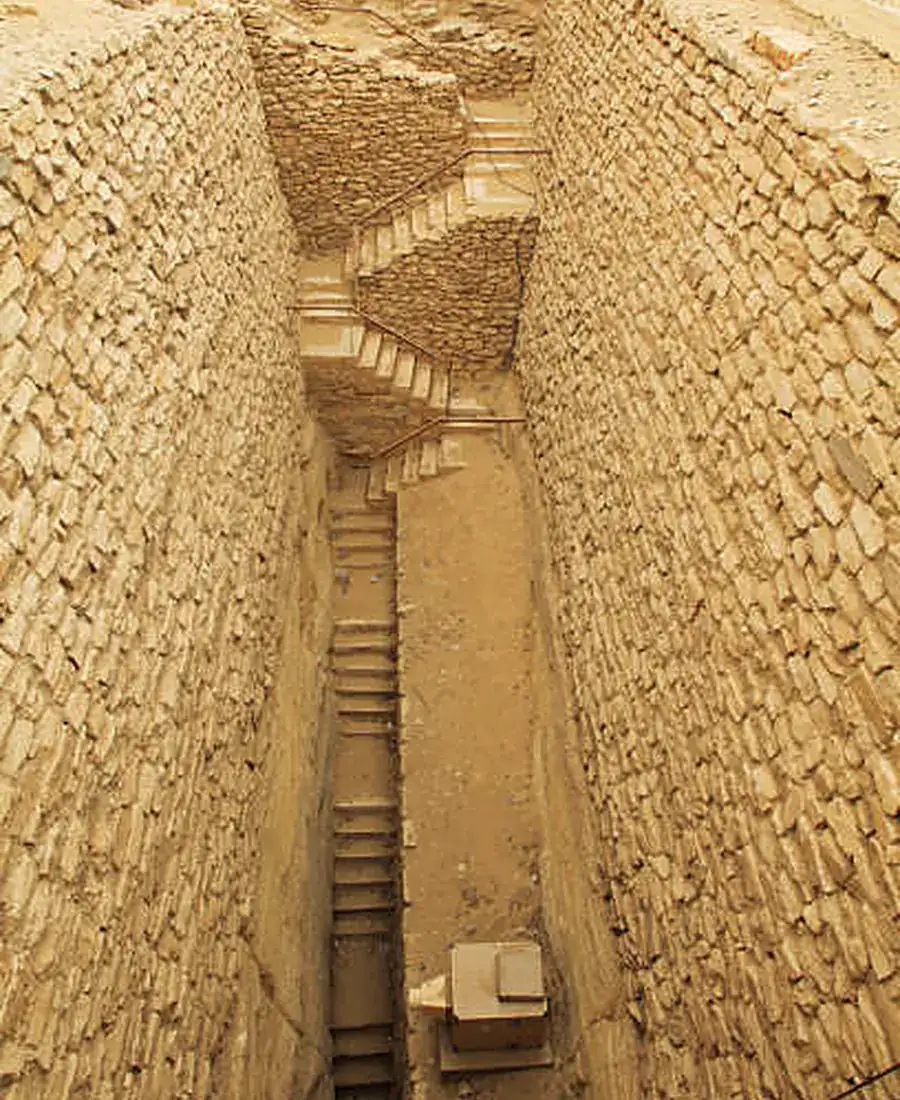
The Cemetery of Memphis
Why Saqqara Necropolis Matters
To begin with, Saqqara lies on the desert plateau west of the Nile and formed one of the principal cemeteries of Memphis, Egypt’s ancient capital. Therefore, its elevated, dry position protected burials from the annual flood while keeping them close to the city and its temples.
In addition, the necropolis was used for more than three millennia. As a result, kings, queens, officials, priests and sacred animals were buried here, leaving pyramids, mastabas, rock-cut tombs, temples and underground galleries from many periods of Egyptian history.
Moreover, Saqqara preserves a decisive architectural experiment: the transformation of the traditional mastaba into the Step Pyramid of King Djoser, Egypt’s earliest pyramid and the centrepiece of the first large-scale stone architectural complex in the country.
A Revolution in Stone
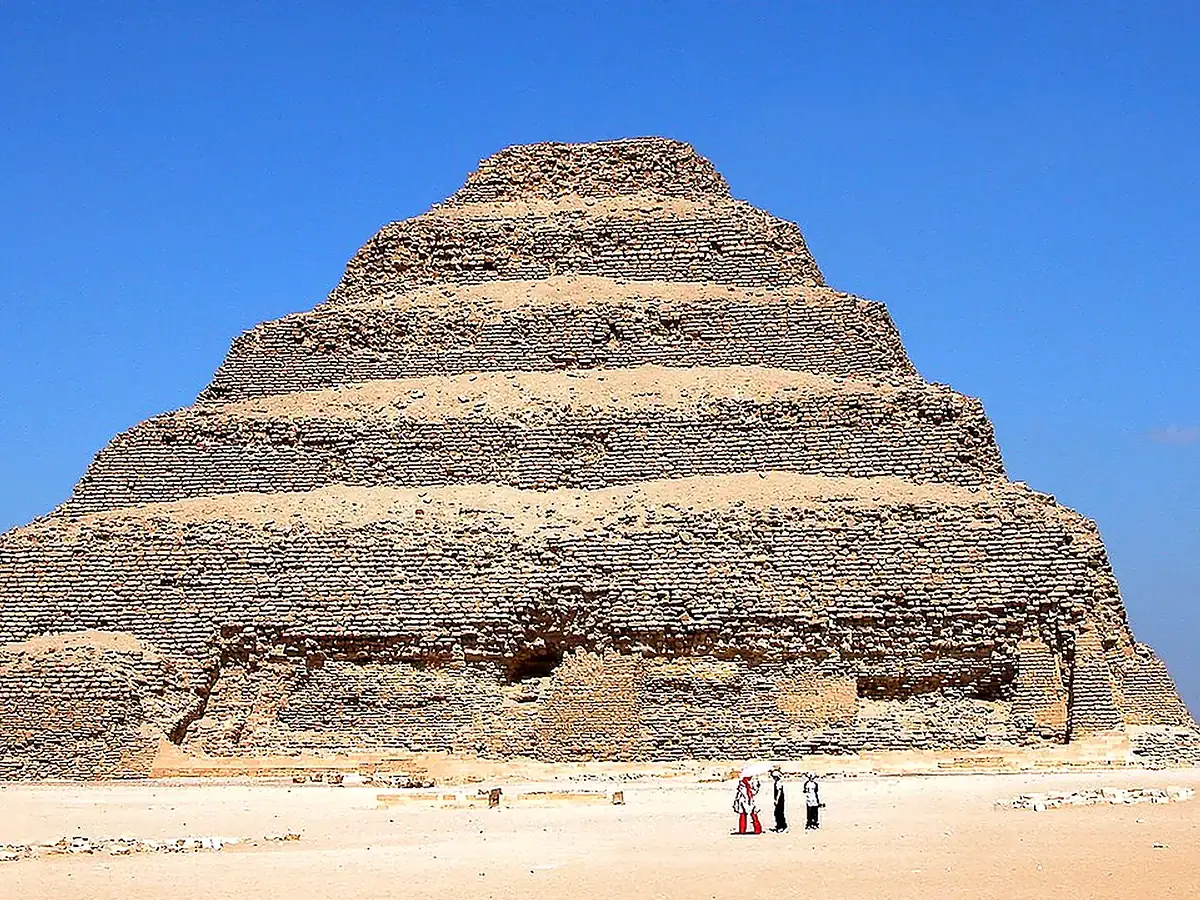
The Step Pyramid of Djoser at Saqqara Necropolis
Designed during the Third Dynasty and traditionally associated with Imhotep, Djoser’s complex changed the course of Egyptian architecture.
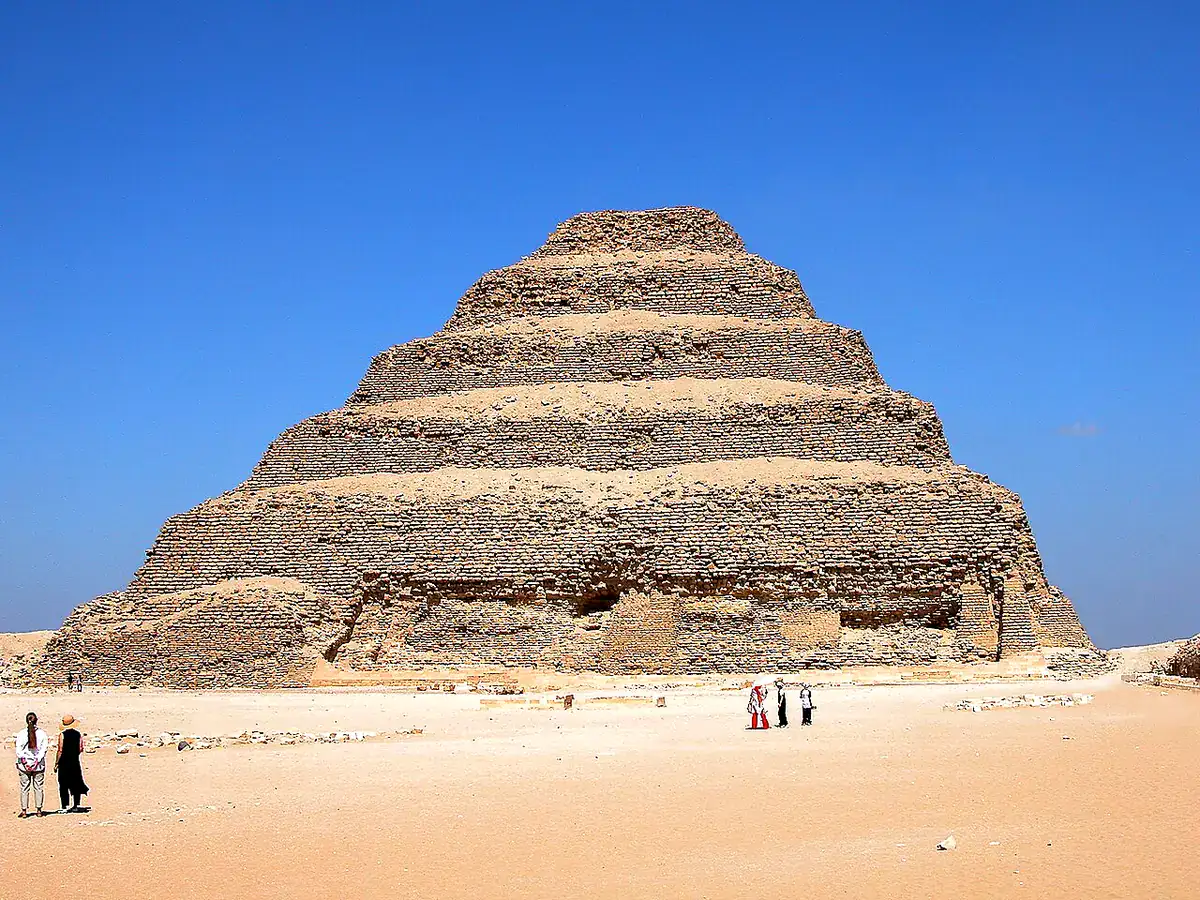
How Saqqara Architecture Evolved from Mastaba to Pyramid
First, the monument developed through several building stages until six mastaba-like tiers rose to approximately 60 metres.
Monumental Stone Building at Djoser’s Saqqara Complex
Next, instead of relying mainly on mudbrick, the builders created an immense royal funerary complex in carefully cut stone.
Rituals and Underground Architecture
Royal Ritual Architecture in the Step Pyramid Complex
Meanwhile, courtyards, chapels, façades and ceremonial buildings allowed the dead king to renew his authority eternally.
Underground Galleries Beneath Djoser’s Pyramid
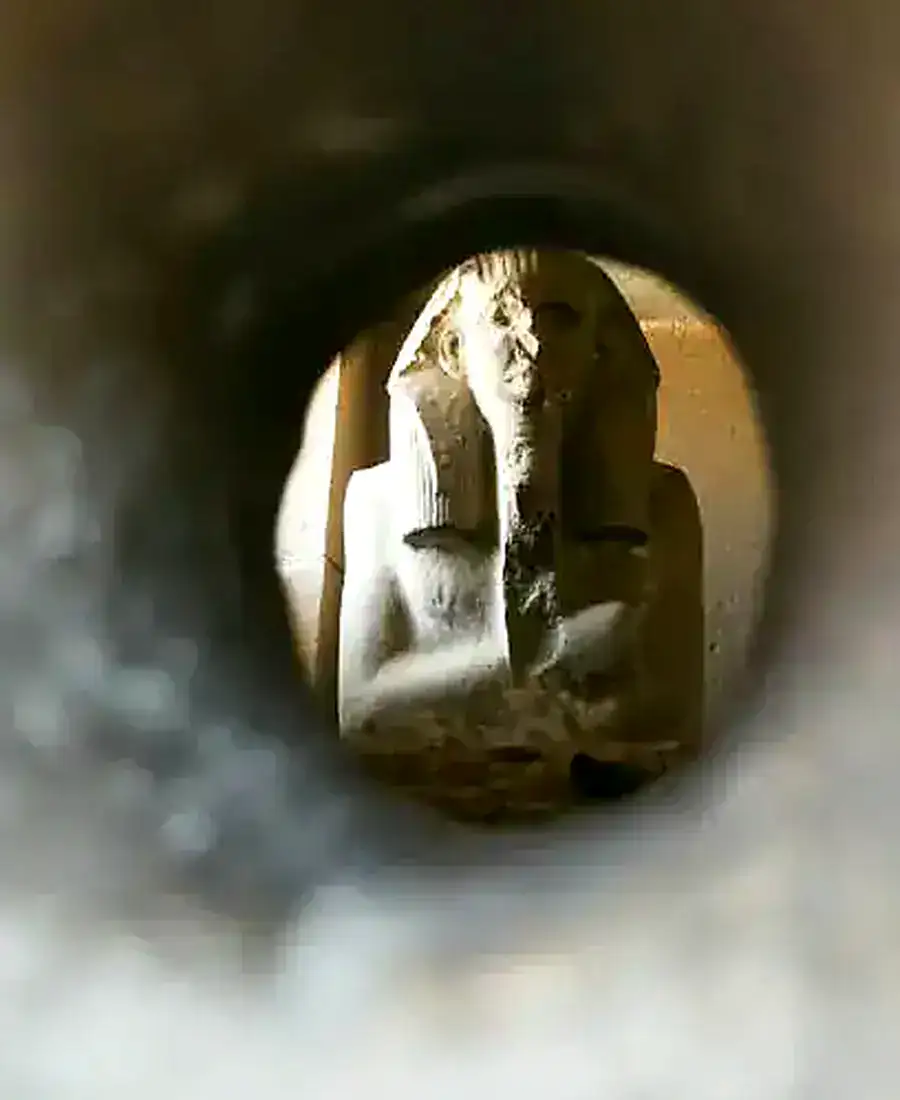
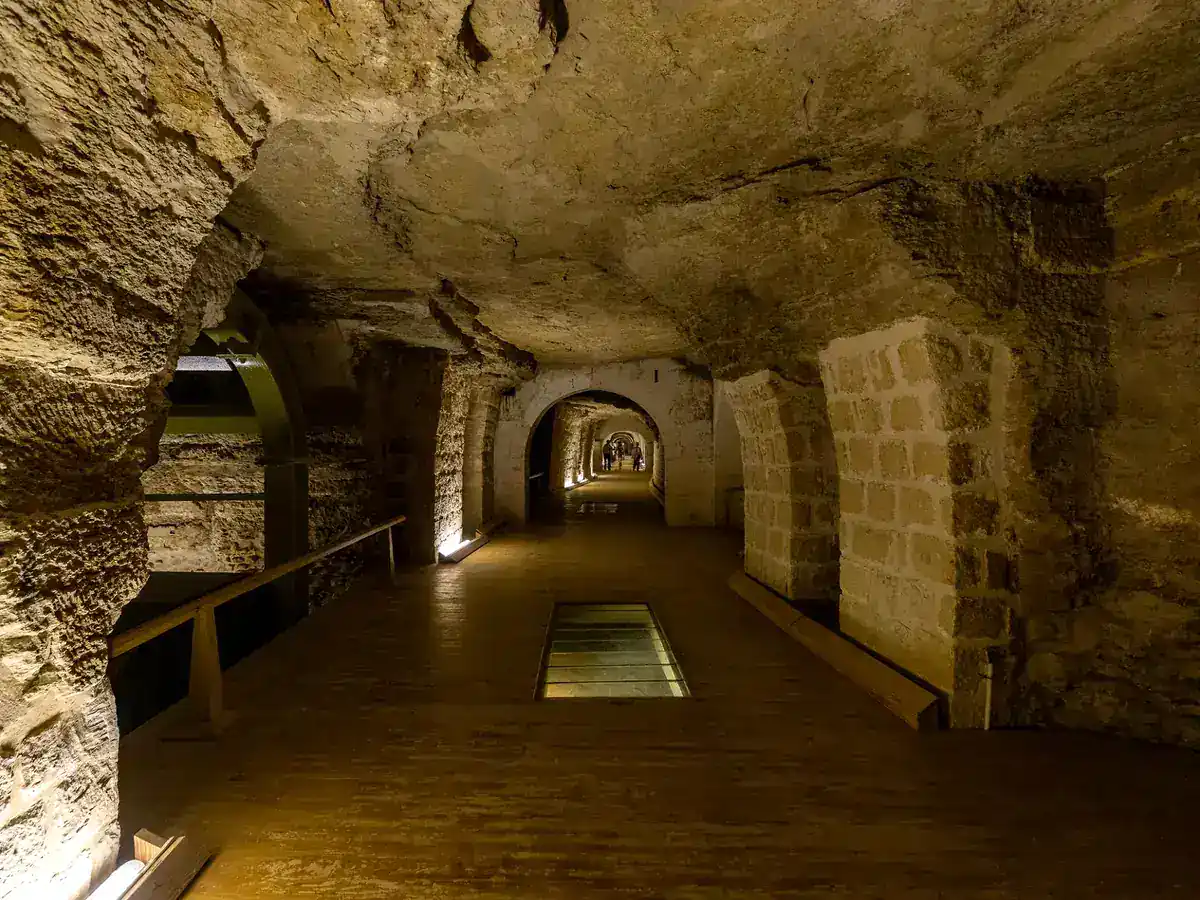
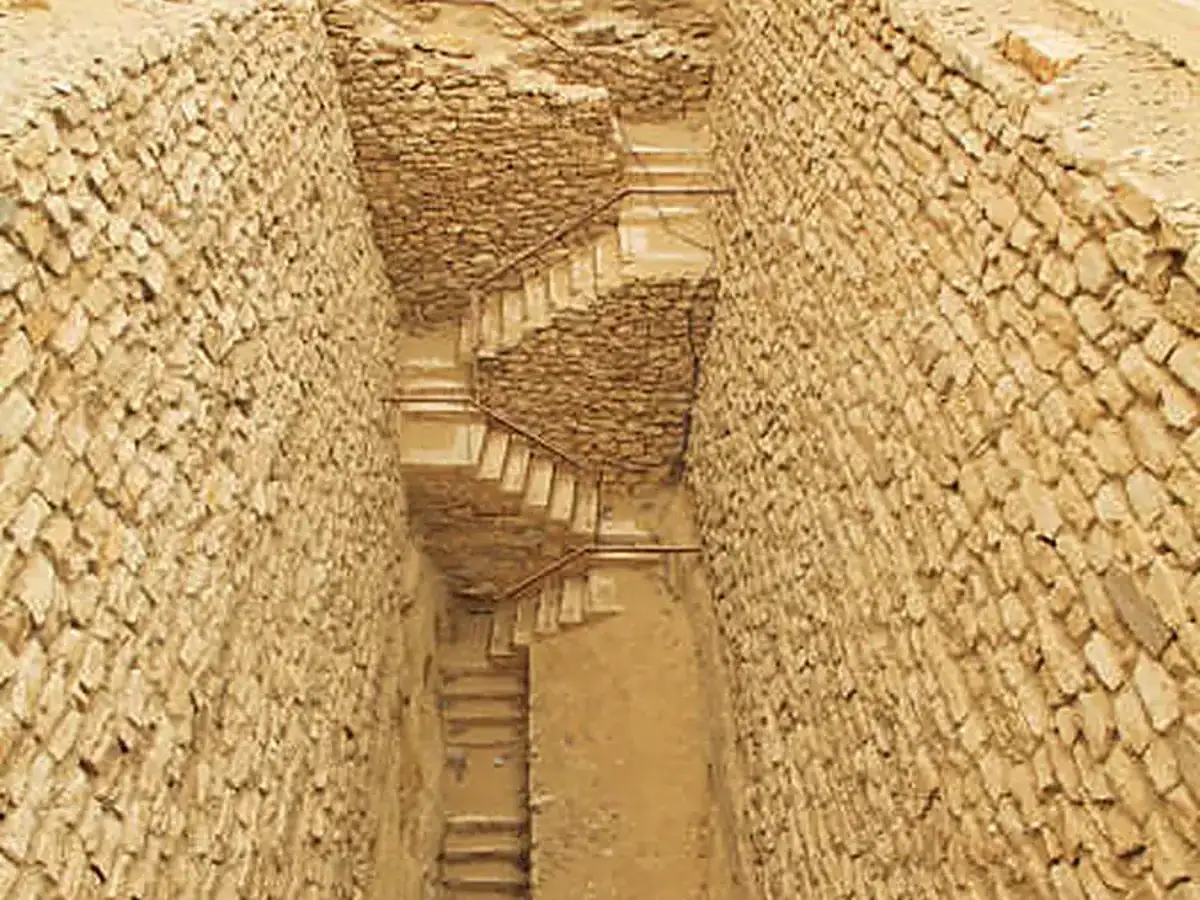
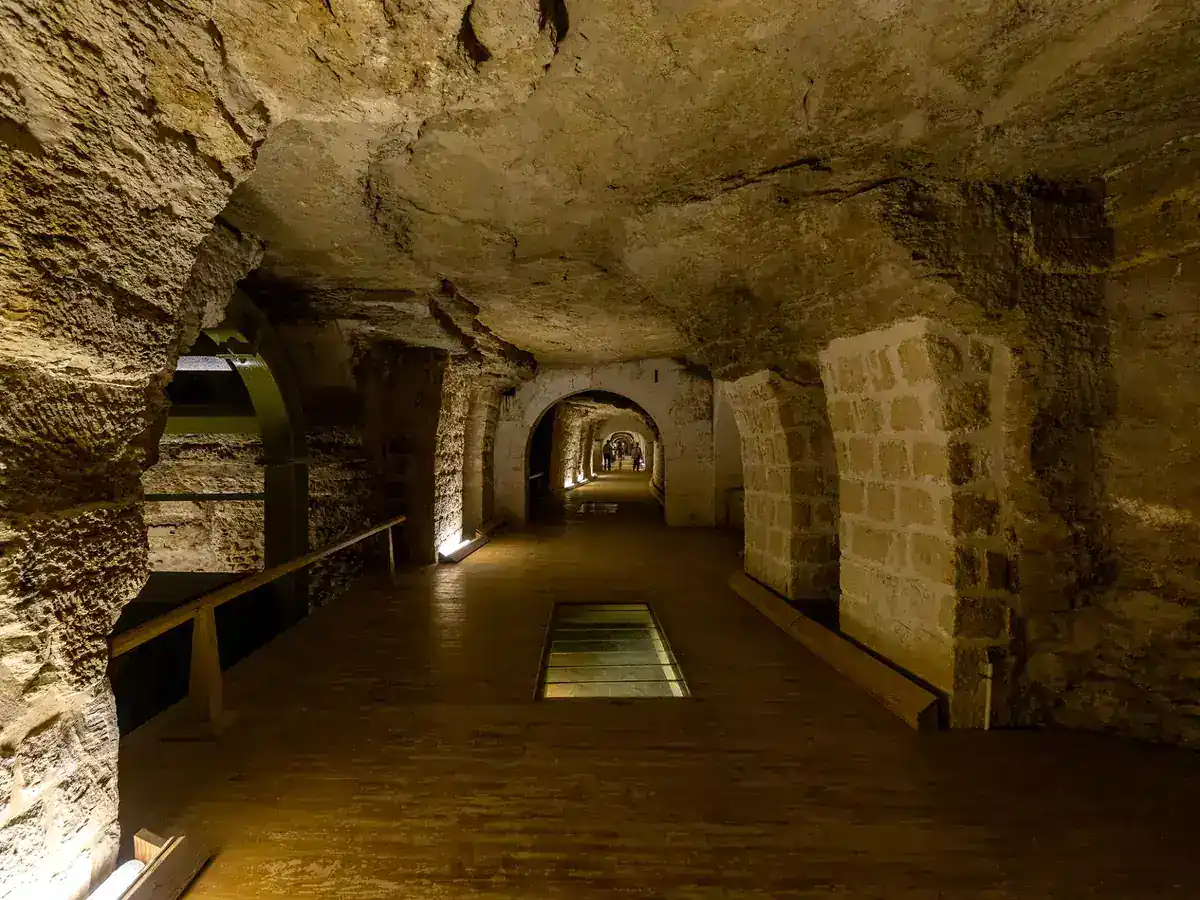
Finally, beneath the pyramid, shafts and galleries surrounded the burial chamber and stored thousands of stone vessels.
From Saqqara to Giza
How Saqqara Changed the History of Pyramid Building
Most importantly, Saqqara is the starting point for understanding how Egypt moved from mastaba tombs to the giant true pyramids of the Fourth Dynasty.
King Djoser at Saqqara
First, in the early Third Dynasty, Djoser’s builders developed the Step Pyramid from earlier mastaba forms. As a result, the complex created a new monumental language in stone and established the pyramid as the dominant symbol of royal burial.
King Sneferu at Meidum and Dahshur
Later, during the Fourth Dynasty, Sneferu’s pyramid projects—including the Bent Pyramid and Red Pyramid—advanced the transition toward the true smooth-sided pyramid.
King Khufu at Giza
Finally, Khufu, Sneferu’s son, carried this architectural development to an extraordinary scale with the Great Pyramid. Therefore, Saqqara, Dahshur Necropolis and the Pyramids of Giza reveal a connected story of royal engineering.
Essential Monuments
What to See at Saqqara Necropolis
However, Saqqara is far more than one pyramid. Indeed, its royal monuments and private tombs trace major changes in architecture, religion and daily life.
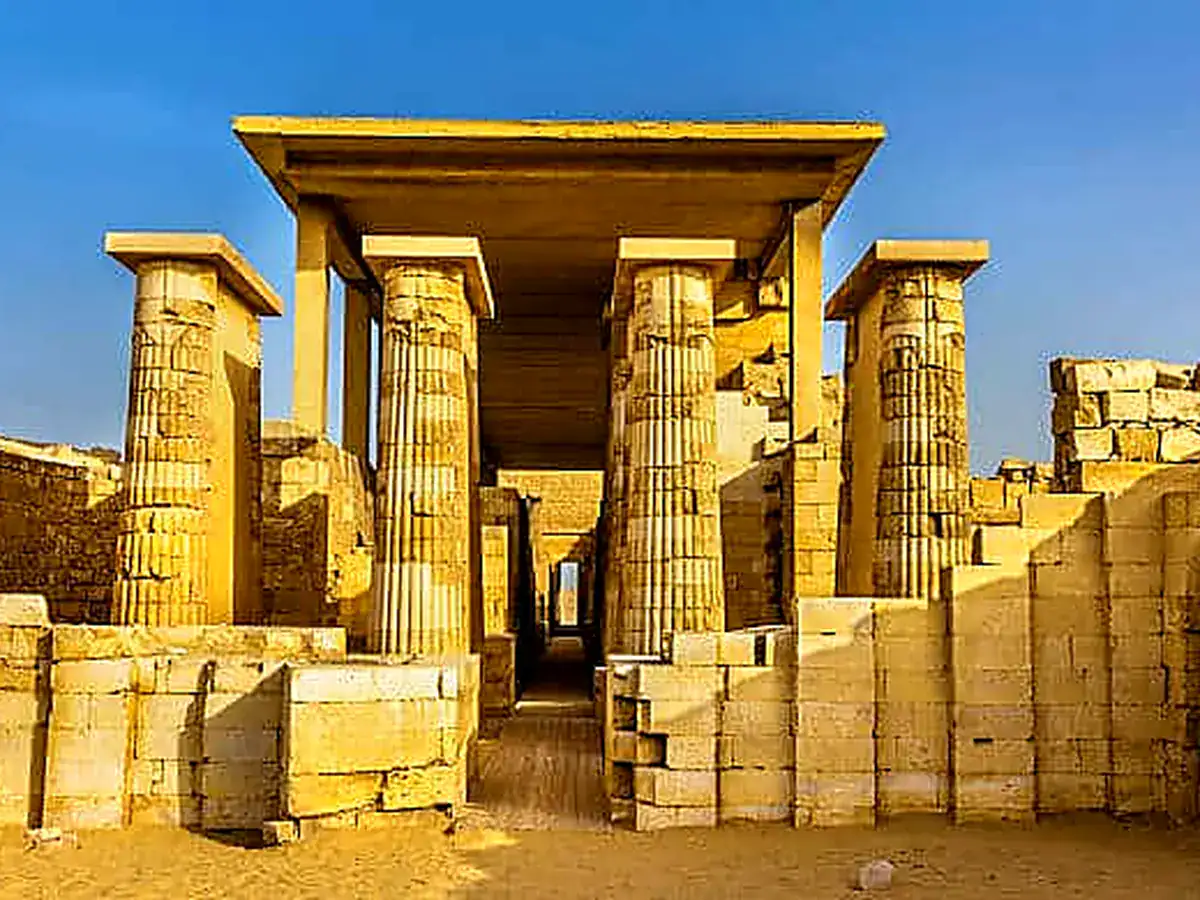 Third Dynasty
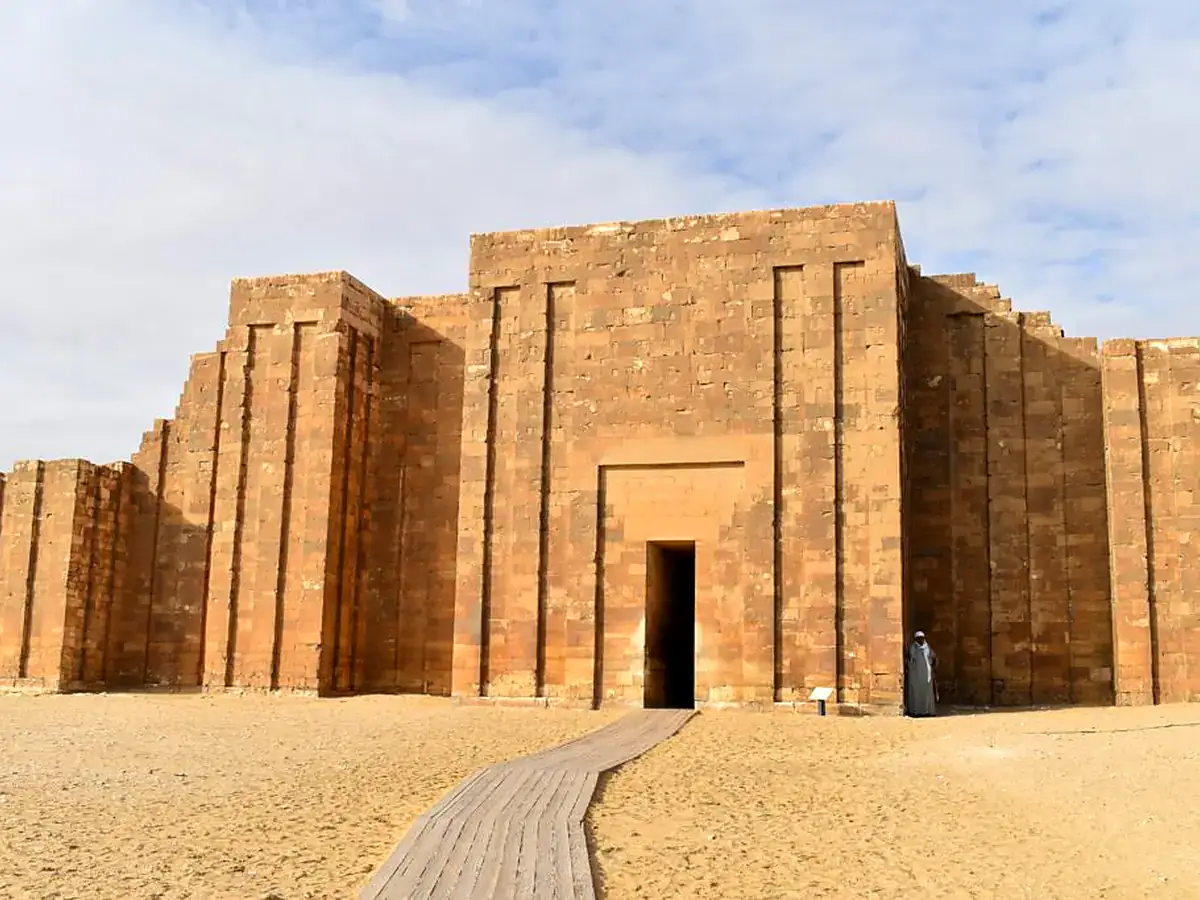
Djoser’s Pyramid Complex
For example, the vast enclosure includes the Step Pyramid, Heb-Sed court, ceremonial façades, chapels and the South Tomb. Many structures imitate timber, reed and mudbrick forms in stone.
Consequently, the complex acts as both a royal burial monument and a permanent stage for rituals of kingship.
Look for fluted columns and imitation wooden doors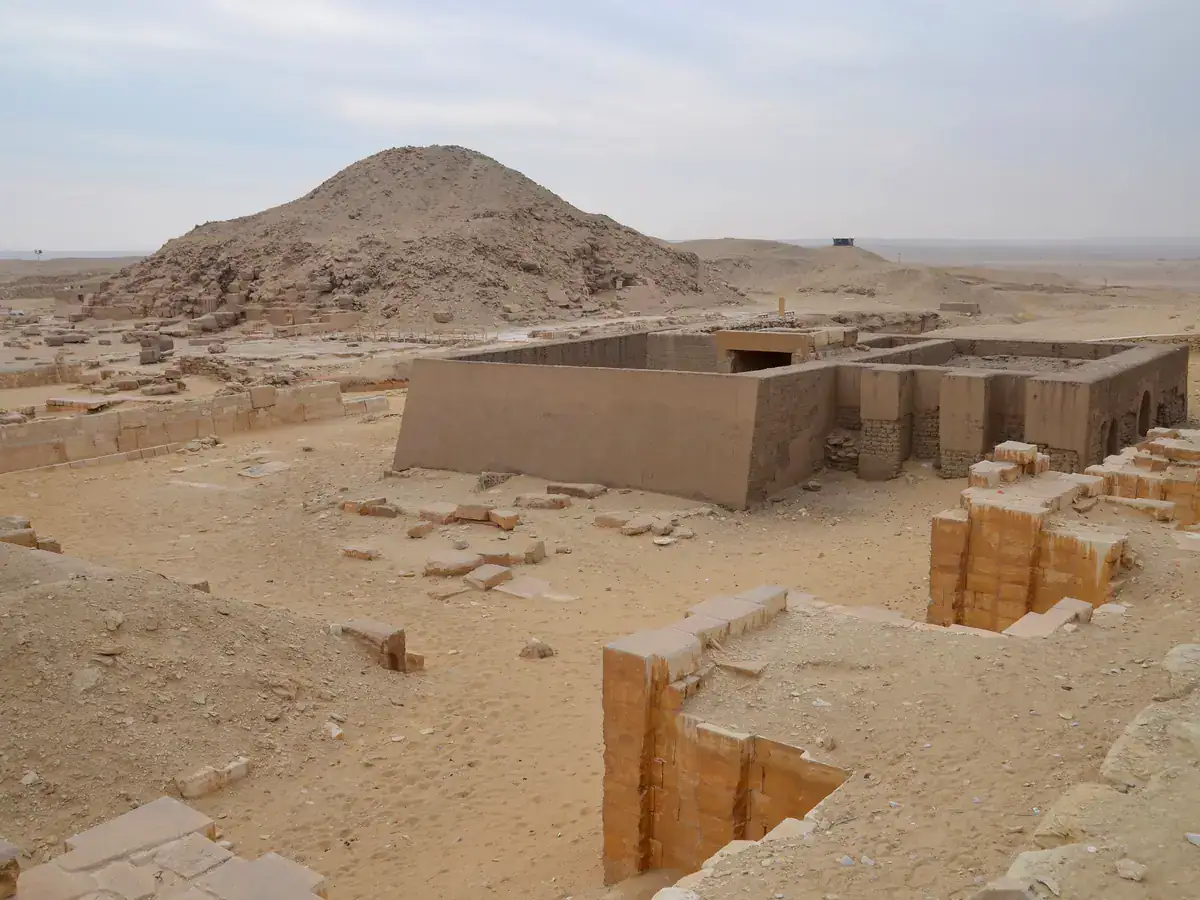 Fifth Dynasty
The Pyramid of Unas and Saqqara’s Pyramid Texts
By contrast, although modest and heavily ruined outside, the pyramid of Unas transformed royal burial chambers by covering their walls with religious spells.
These Pyramid Texts form the earliest extensive collection of Egyptian royal funerary spells preserved inside a pyramid and describe the king’s rebirth and ascent among the gods.
Look for the ruined pyramid mound and surviving causewayPrivate Tombs and Sacred Animal Burials
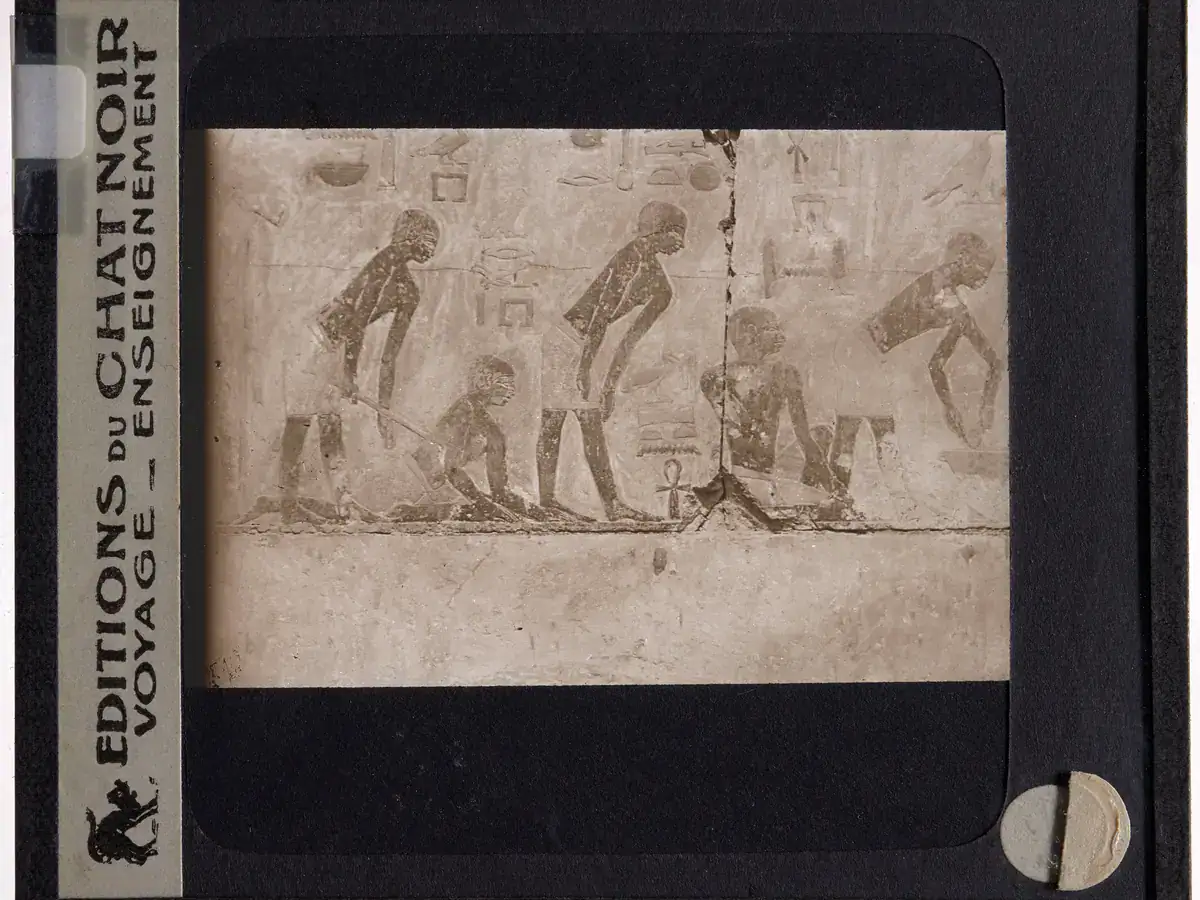 Old Kingdom Mastabas
Old Kingdom Mastabas at Saqqara
Furthermore, private mastabas preserve some of Saqqara’s finest scenes of agriculture, fishing, craft production, animal husbandry and elite ceremony.
Ti’s tomb is celebrated for its observation of movement, while Mereruka’s enormous family complex contains more than thirty rooms. Ptahhotep’s chapel offers elegant reliefs connected with elite administration and ritual.
Look for boatbuilding, harvests and lively animals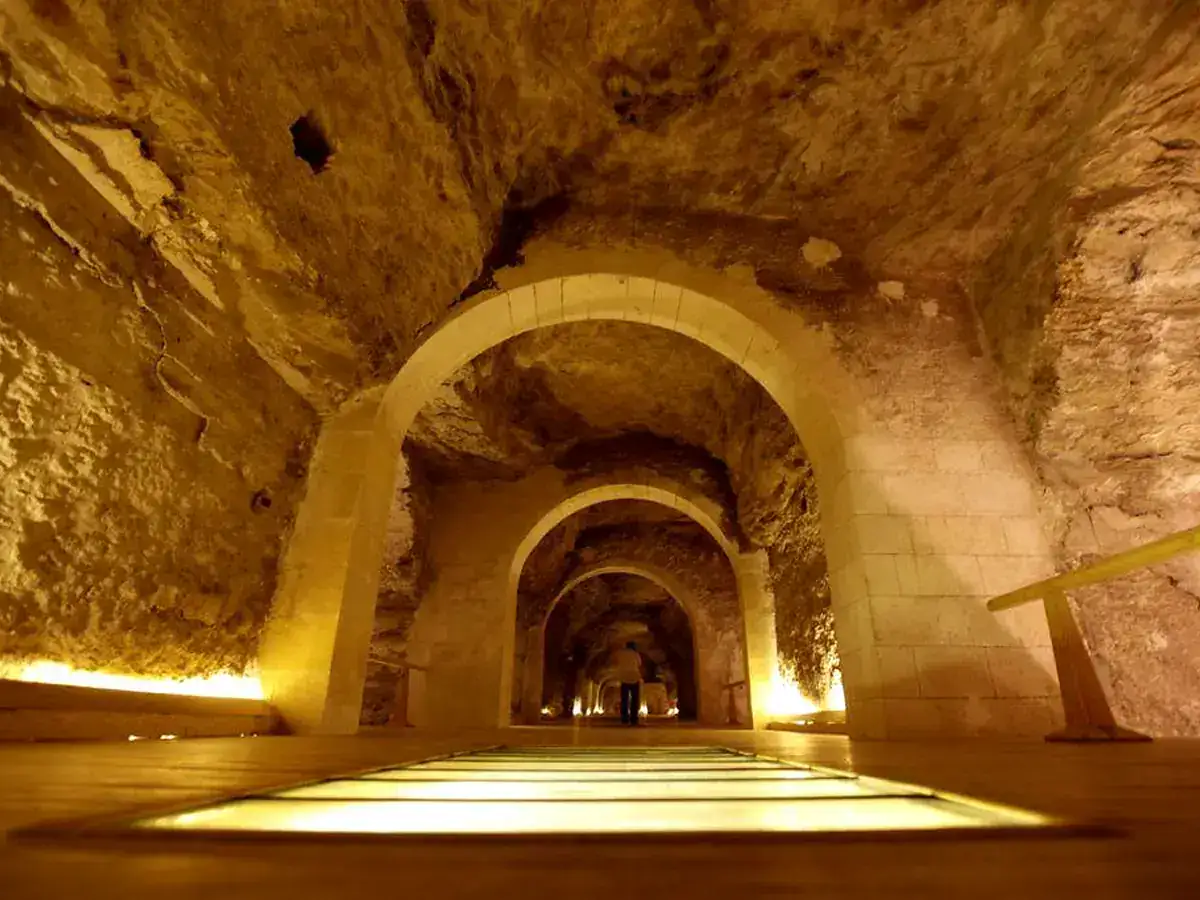 New Kingdom–Ptolemaic Period
The Serapeum of Saqqara
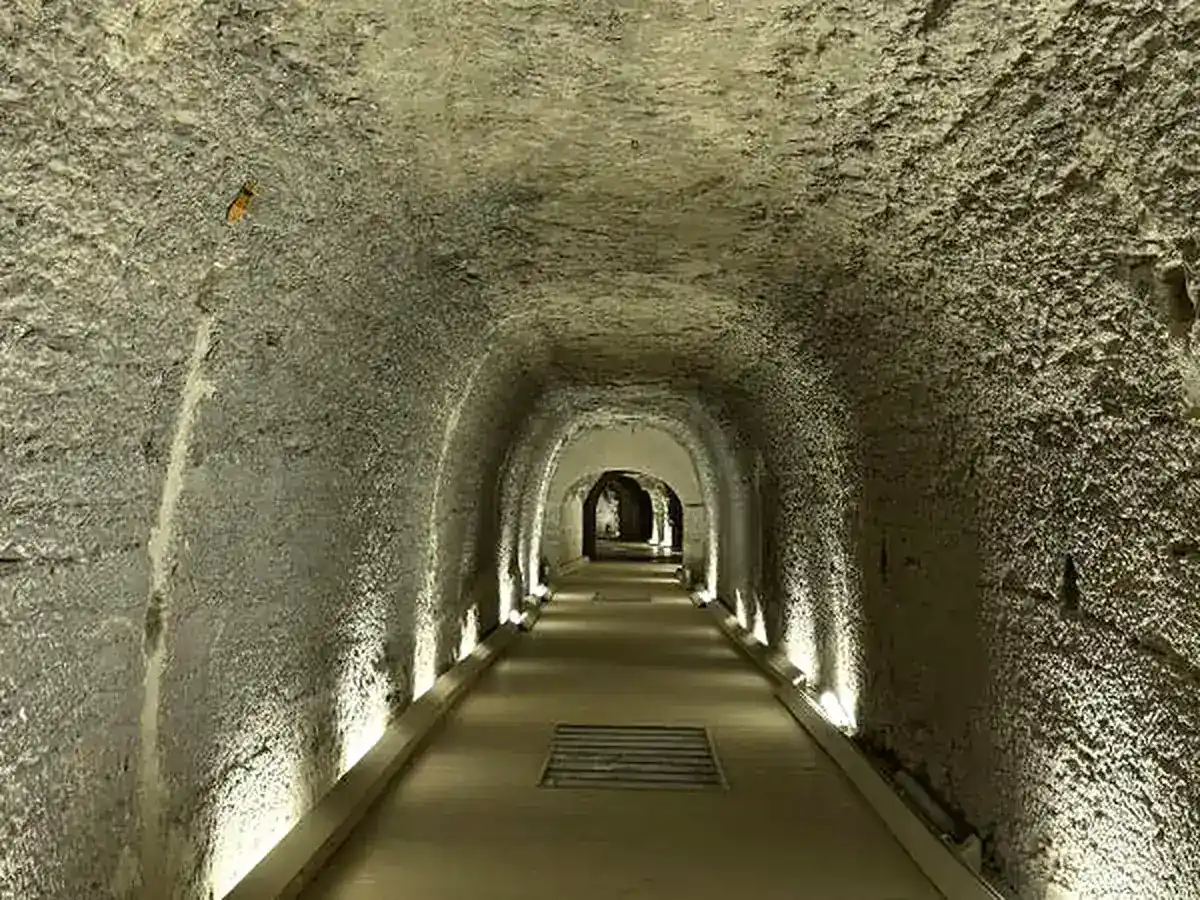
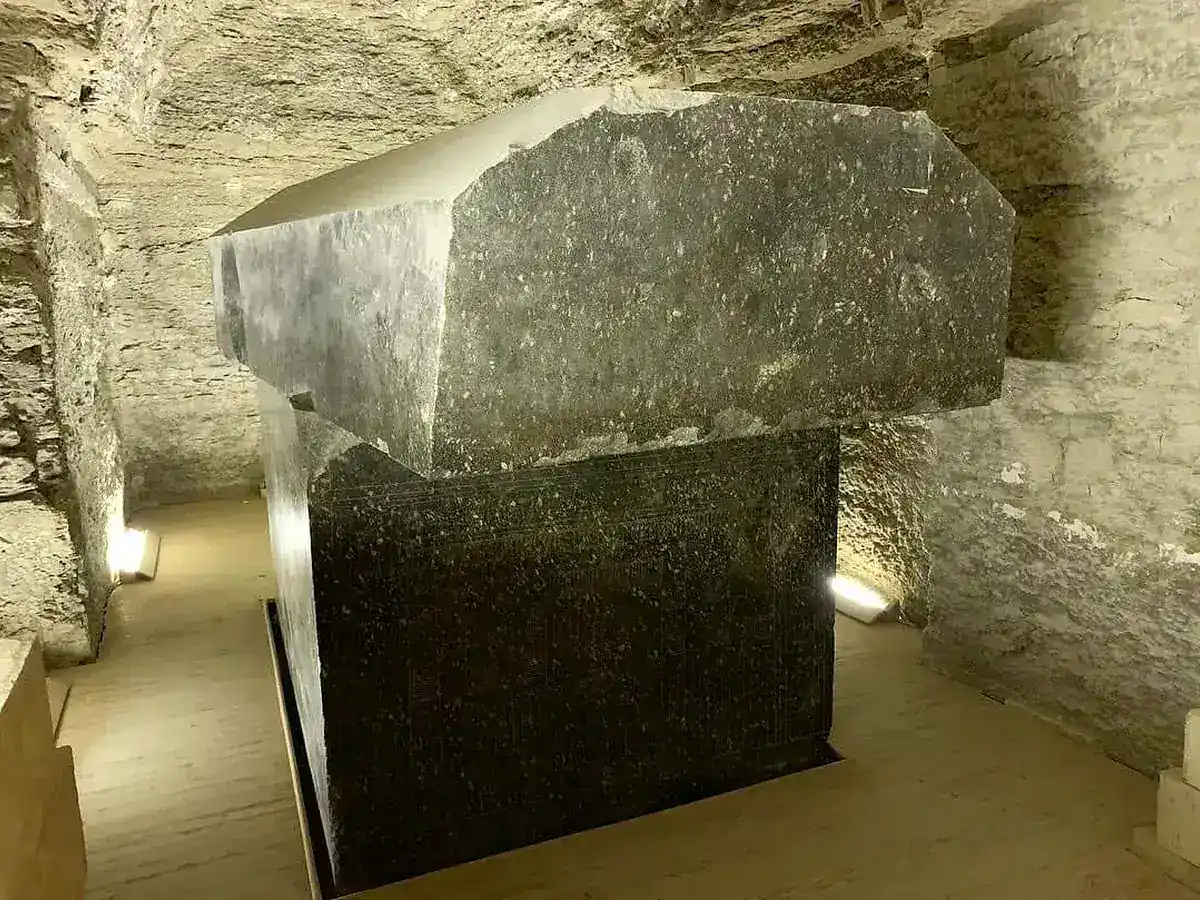
Elsewhere, long underground galleries housed the burials of sacred Apis bulls, manifestations of Ptah during life and associated with Osiris after death.
Moreover, the immense granite sarcophagi demonstrate extraordinary quarrying, transport and finishing skills. In addition, they reveal the political and religious importance of Memphis’s sacred animal cults.
Look for the long galleries cut deep beneath the desertA Necropolis Still Revealing Secrets
Recent Discoveries at Saqqara Necropolis
Meanwhile, excavation continues across the plateau, and new finds regularly change the picture of Saqqara’s long history.
For example, large Late Period burial shafts yielded sealed coffins, mummies, masks, amulets and funerary figures.
Likewise, an Egyptian-Japanese mission reported a rock-cut tomb connected with the Second Dynasty, together with finds from several later periods.
More recently, excavations announced the tomb of Prince Userefre, son of King Userkaf, together with important statues and finds from the Old Kingdom and later periods.
Meanwhile, conservation and fieldwork continue in royal pyramids, elite cemeteries, animal catacombs and Late Period burial zones.
Plan Your Visit
How to Visit Saqqara Necropolis
Because the archaeological area is extensive, a focused itinerary is more rewarding than rushing between too many monuments.
Start Early
Therefore, the exposed plateau is generally more comfortable to explore during the morning.
Reaching Saqqara from Cairo
In fact, Saqqara is roughly 30–40 kilometres southwest of central Cairo, depending on the starting point and route.
Tickets for Saqqara Tombs and Pyramids
However, some interiors and tomb groups may require additional tickets, while access can change for conservation work.
Allow 3–4 Hours
Consequently, allow at least half a day to explore Djoser’s complex, one royal pyramid, selected mastabas and the Serapeum.
Location Map
Where Is Saqqara Necropolis?
Geographically, Saqqara extends along the desert edge west of the ancient city of Memphis, south of modern Cairo.
The Great Cemetery of Ancient Memphis
Although the Step Pyramid complex forms the best-known landmark, the archaeological zone also stretches far beyond it across northern, central and southern Saqqara.
Preservation and Research
Protecting the Archaeological Heritage of Saqqara Necropolis
However, stone decay, unstable underground chambers, salt, windblown sand and visitor pressure all threaten monuments across the plateau. Therefore, restoration requires structural engineering as well as detailed archaeological recording.
For instance, the Step Pyramid and South Tomb have undergone major stabilisation and conservation projects. Moreover, documentation of inscriptions and reliefs remains essential because even small surface losses can erase unique historical evidence.
Interactive Gallery
Saqqara Necropolis in Pictures
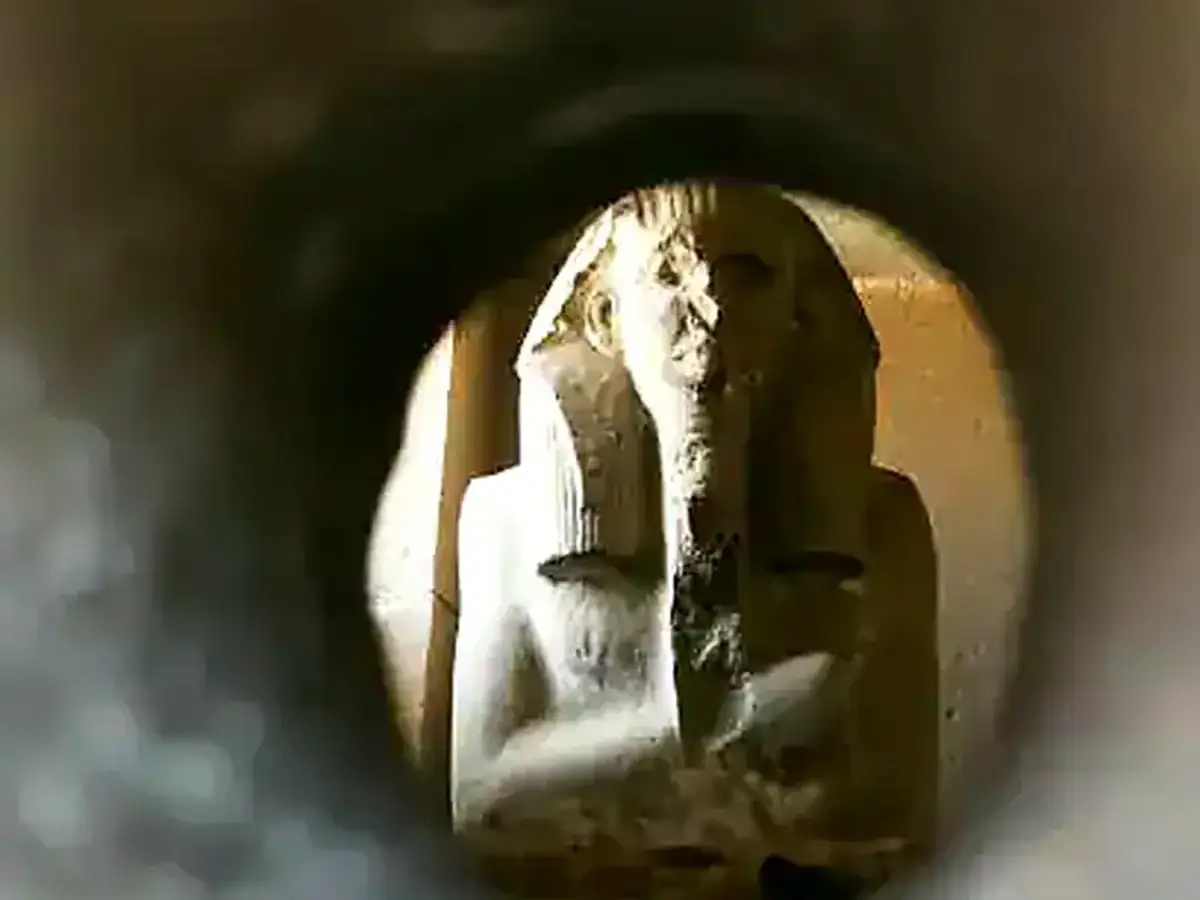
Swipe or use the arrows to explore Djoser’s royal complex, the Pyramid of Unas and the underground Serapeum galleries.
Primary & Authoritative References
Sources for This Saqqara Guide
For accuracy, this guide prioritises official Egyptian and UNESCO records for archaeology, monument history and heritage status. Nevertheless, visitor access can change, so official information should be checked before travel.
Continue Exploring Ancient Egypt
Follow the Story from Djoser to the Great Pyramid
Use these guides to follow the development of Egyptian pyramid architecture and plan a visit to the major sites around Cairo.
Frequently Asked Questions
Saqqara Necropolis FAQ
Why is Saqqara famous?
Above all, Above all, Saqqara is famous for Djoser’s Step Pyramid, the first pyramid, as well as royal pyramids, Old Kingdom mastabas, animal catacombs and thousands of years of burials.
Who designed the Step Pyramid?
According to ancient tradition, the design is associated with Imhotep, a high official of King Djoser who was later revered as a learned man and healing deity.
Are Saqqara and Memphis the same place?
No. By contrast, Memphis was the ancient city, while Saqqara was one of its principal necropolises on the desert plateau to the west.
What are the Pyramid Texts?
In short, they are royal funerary spells carved inside Old Kingdom pyramids. Notably, the pyramid of Unas preserves the earliest known extensive example.
What is the Serapeum?
Specifically, it is an underground burial complex for sacred Apis bulls associated with Ptah and Osiris-Apis.
Planning a Visit to Saqqara
How long do I need at Saqqara?
Generally, allow at least three to four hours for the main highlights. However, a fuller visit can easily take most of a day.
Can I enter the pyramids and tombs?
For example, some interiors are open, sometimes with additional tickets. However, availability changes, so confirm the current list at the site.
Saqqara, Djoser and the Evolution of the Pyramids
Is Saqqara older than the Pyramids of Giza?
Yes. In fact, the Step Pyramid of King Djoser at Saqqara predates the great Fourth Dynasty pyramids at Giza and marks an earlier stage in the development of royal pyramid architecture.
What is the connection between Djoser, Sneferu and Khufu?
First, Djoser’s Step Pyramid represents the early monumental pyramid tradition. Afterward, King Sneferu developed true smooth-sided pyramids at Meidum and Dahshur, while his son King Khufu built the Great Pyramid at Giza.
Is Saqqara a UNESCO World Heritage Site?
Importantly, Yes. Saqqara forms part of the UNESCO World Heritage property “Memphis and its Necropolis – the Pyramid Fields from Giza to Dahshur,” inscribed in 1979.
Historical scope checked against Egypt’s Ministry of Tourism and Antiquities and the UNESCO World Heritage record for Memphis and its Necropolis. Visitor arrangements remain subject to local change.
Explore the Birthplace of Pyramid Architecture
Visit Saqqara with a private Egyptologist guide and combine it with Memphis and Dahshur.