
Aswan High Dam
The Aswan High Dam: Engineering, History & Visitor Guide
Discover how the Aswan High Dam transformed Nile control, irrigation and hydroelectric power, while creating Lake Nasser and reshaping life across Egyptian Nubia.
The Nile controlled
Why the Aswan High Dam Changed Modern Egypt
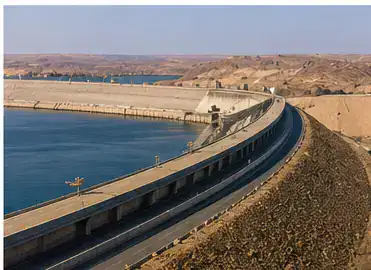
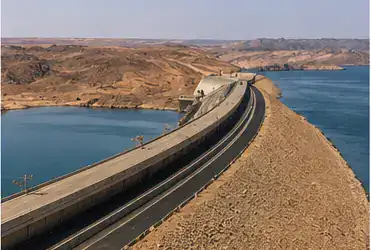
The Aswan High Dam stands south of Aswan across the Nile. Built during the 1960s and officially inaugurated in 1971, it created a vast system of long-term water storage, flood protection, irrigation control and hydroelectric generation.
Moreover, the project created Lake Nasser, which extends deep into Nubia and across the border into Sudan. As a result, the dam changed agriculture, electricity production, settlement patterns and the landscape of southern Egypt.
Why is the Aswan High Dam important? It gave Egypt far greater control over the Nile, helped protect the country from extreme floods and droughts, supported year-round irrigation, and added 2,100 MW of installed hydroelectric capacity. Visitors can see it alongside Philae Temple and the Unfinished Obelisk on the Philae Temple, High Dam and Unfinished Obelisk Tour.
From the old dam to a national project
History of the Aswan High Dam
Initially, Egypt tried to regulate the Nile with the earlier Aswan Dam, completed in 1902 and later raised several times. However, seasonal storage could not fully meet the country’s growing demand for irrigation, flood protection and electricity.
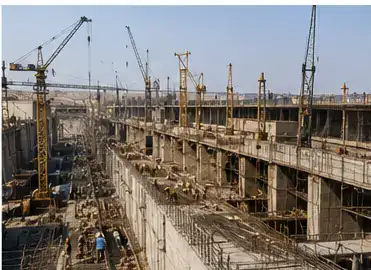
During the 1950s, President Gamal Abdel Nasser made a much larger dam a central national project. After Western financing plans collapsed, Egypt received Soviet loans, engineering support and equipment. Consequently, construction began in January 1960.
Finally, the main structure was completed in 1970, and the official inauguration followed on 15 January 1971. For an official technical history, see Egypt’s Ministry of Water Resources and Irrigation.
Scale and design
Aswan High Dam Dimensions and Specifications
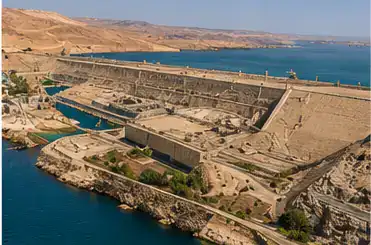
According to Egypt’s Ministry of Water Resources and Irrigation, the dam is a rock-fill embankment with a crest length of 3,830 metres. In addition, it rises 111 metres above the Nile riverbed and measures about 40 metres wide at the crest.
- Height: 111 metres
- Crest length: 3,830 metres
- Base width: about 980 metres
- Crest width: 40 metres
- Spillway/discharge capacity: about 11,000 m³ per second
- Reservoir: Lake Nasser
For that reason, the structure is not a narrow concrete wall. Instead, it is a vast engineered mass of rock, clay and other materials designed to resist the pressure of one of the world’s largest reservoirs.
Building a river barrier
How the Aswan High Dam Was Constructed
River Diversion
First, engineers prepared diversion channels and tunnels so work could proceed across the Nile while river flow remained controlled.
Rock-Fill Embankment
Next, enormous quantities of rock, clay and compacted materials formed the dam body. The scale of the embankment is one reason the project became an icon of twentieth-century engineering.
Power Station
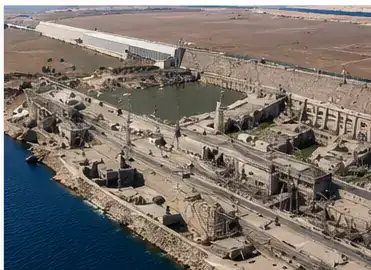
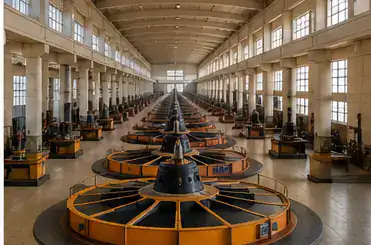
Meanwhile, engineers built the power station on the eastern bank, with six tunnels directing water toward twelve hydroelectric turbines.
Lake Nasser and Nubia
The Human and Archaeological Cost of the High Dam
However, the project also had a profound human impact. The rising waters behind the dam flooded large parts of historic Nubia, forcing the relocation of more than 100,000 Nubian people in Egypt and Sudan.
At the same time, ancient monuments were threatened by the new reservoir. Consequently, an international UNESCO campaign moved major sites to safer ground. The best-known examples include Philae Temple and the temples of Abu Simbel.
For visitors, this history adds an important human dimension to the engineering story. The Aswan travel guide, Nubian culture and the relocated monuments together explain how profoundly the dam reshaped southern Egypt.
Hydroelectric engineering
How the Aswan High Dam Works
First, water stored in Lake Nasser is released through controlled channels and tunnels. Then, the moving water drives twelve turbines, each rated at 175 MW, producing a combined installed capacity of 2,100 MW.
Moreover, the Ministry of Water Resources and Irrigation reports that the station can generate up to about 10 billion kilowatt-hours annually. Although the dam once supplied a much larger share of Egypt’s electricity, the national power system has expanded dramatically since the 1970s.
In addition, controlled releases allow Egypt to distribute Nile water more predictably throughout the year. Therefore, the dam supports irrigation while also moderating extreme flood and drought conditions.
Benefits and trade-offs
Impact of the Aswan High Dam
Flood & Drought Protection
Most importantly, long-term storage helps Egypt manage highly variable Nile flows and protects farmland and cities from extreme floods.
Year-Round Irrigation
Furthermore, regulated releases made perennial irrigation more reliable and supported multiple crop cycles in many areas.
Hydroelectric Power
Likewise, the power station helped electrify homes, industry and infrastructure, especially during the decades immediately after completion.
Sediment Trapping
However, the reservoir traps much of the fertile sediment that once travelled downstream, increasing dependence on fertilizers in agricultural areas.
Nubian Displacement
In addition, reservoir creation forced major population movements and permanently altered historic Nubian landscapes and communities.
Delta & Ecosystem Change
Finally, Finally, reduced sediment transport has contributed to changes in the Nile Delta and Mediterranean coastal environment.
Plan your Aswan visit
Visiting the Aswan High Dam
Where is it?
The High Dam lies south of central Aswan, between the Nile downstream and Lake Nasser upstream.
How long do you need?
Generally, 30–60 minutes is enough for the main viewpoints, interpretation and photographs.
What can you combine it with?
Book the Philae Temple, High Dam and Unfinished Obelisk Tour to combine the dam with Philae Temple and the Unfinished Obelisk in one private sightseeing day.
Best time to visit
In practice, morning is usually more comfortable, especially during the hotter months, because shade is limited at the viewing areas.
Can you see Lake Nasser?
Yes. In fact, the contrast between the reservoir and the Nile below is one of the most interesting parts of the visit.
Is it a historic monument?
By contrast, it is a modern engineering landmark rather than an ancient archaeological site, yet it is central to understanding contemporary Egypt.
Visitor note: Access arrangements and security procedures can change. Therefore, confirm current local conditions before travelling.
South of Aswan
Location of the Aswan High Dam
Quick answers
Frequently Asked Questions About the Aswan High Dam
When was the Aswan High Dam built?
Construction began in 1960, the main structure was completed in 1970, and the official inauguration took place in January 1971.
How high and long is the Aswan High Dam?
The dam rises 111 metres above the Nile riverbed and has a crest length of 3,830 metres.
How much electricity does the High Dam produce?
Its twelve turbines provide an installed capacity of 2,100 MW. Annual production varies with operating conditions and water availability.
What lake was created by the Aswan High Dam?
Lake Nasser formed behind the dam and extends south from Egypt into Sudan.
Why was the Aswan High Dam built?
It was built to provide long-term water storage, regulate irrigation, protect Egypt from extreme floods and droughts, and generate hydroelectric power.
Did the dam affect Nubian communities?
Yes. The reservoir flooded extensive parts of Nubia and required the relocation of more than 100,000 Nubian residents in Egypt and Sudan.
Can I visit the High Dam and Philae Temple on the same day?
Yes. The Philae Temple, High Dam and Unfinished Obelisk Tour combines all three landmarks in one private Aswan sightseeing itinerary.
Explore modern and ancient Aswan
Discover the High Dam, Philae and the Nile
Combine the engineering story of the Aswan High Dam with Philae Temple, the Unfinished Obelisk and other essential sights in a private Aswan itinerary.