

Nubian Museum Aswan
The Nubian Museum Aswan presents the history, archaeology and living culture of Nubia from prehistoric times to the modern era. This visitor guide explains the museum’s most important collections, architecture, gardens, opening hours and practical details.
What Is the Nubian Museum in Aswan?
The Nubian Museum is one of the most rewarding cultural attractions in Aswan. Its galleries connect archaeology with the landscapes, traditions and communities of Nubia, the historic region extending south from Aswan into northern Sudan.
The museum grew from the international UNESCO campaign launched to save the monuments of Nubia before the waters of Lake Nasser rose. Opened in 1997, it preserves objects recovered during excavations and explains how temples such as Philae Temple and Kalabsha Temple were relocated.
A Building Inspired by Nubian Design
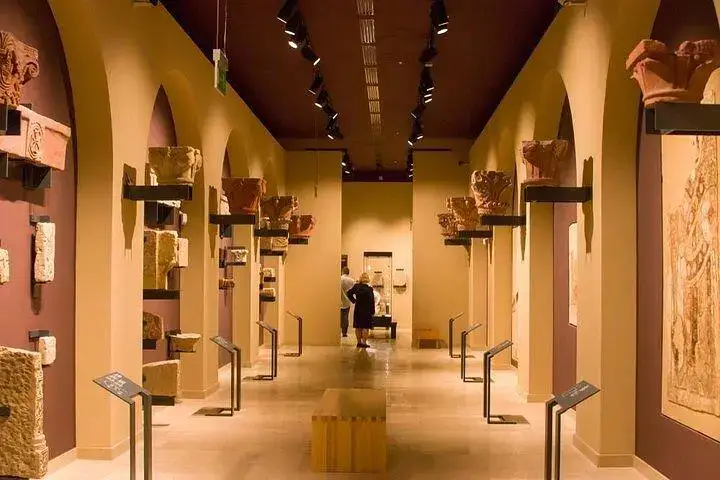
The museum was designed by Egyptian architect Mahmoud Al-Hakim, while its interior exhibition design was created by Mexican architect Pedro Ramírez Vázquez. Sandstone, pink granite, vaulted forms and carefully landscaped spaces reflect the character of traditional Nubian architecture.
In 2001, the building received the Aga Khan Award for Architecture. Its design is an important part of the visit, not simply a container for the collection.

Follow the Story of Nubia
The galleries move chronologically through the cultures and kingdoms that developed along the Nile south of Aswan.
Prehistoric Nubia
Discover early settlements, rock art, tools and evidence of life beside the Nile before the Pharaonic period.
Ancient Kingdoms
Explore the relationship between Egypt and Nubian kingdoms through statues, pottery, jewellery and inscriptions.
Living Heritage
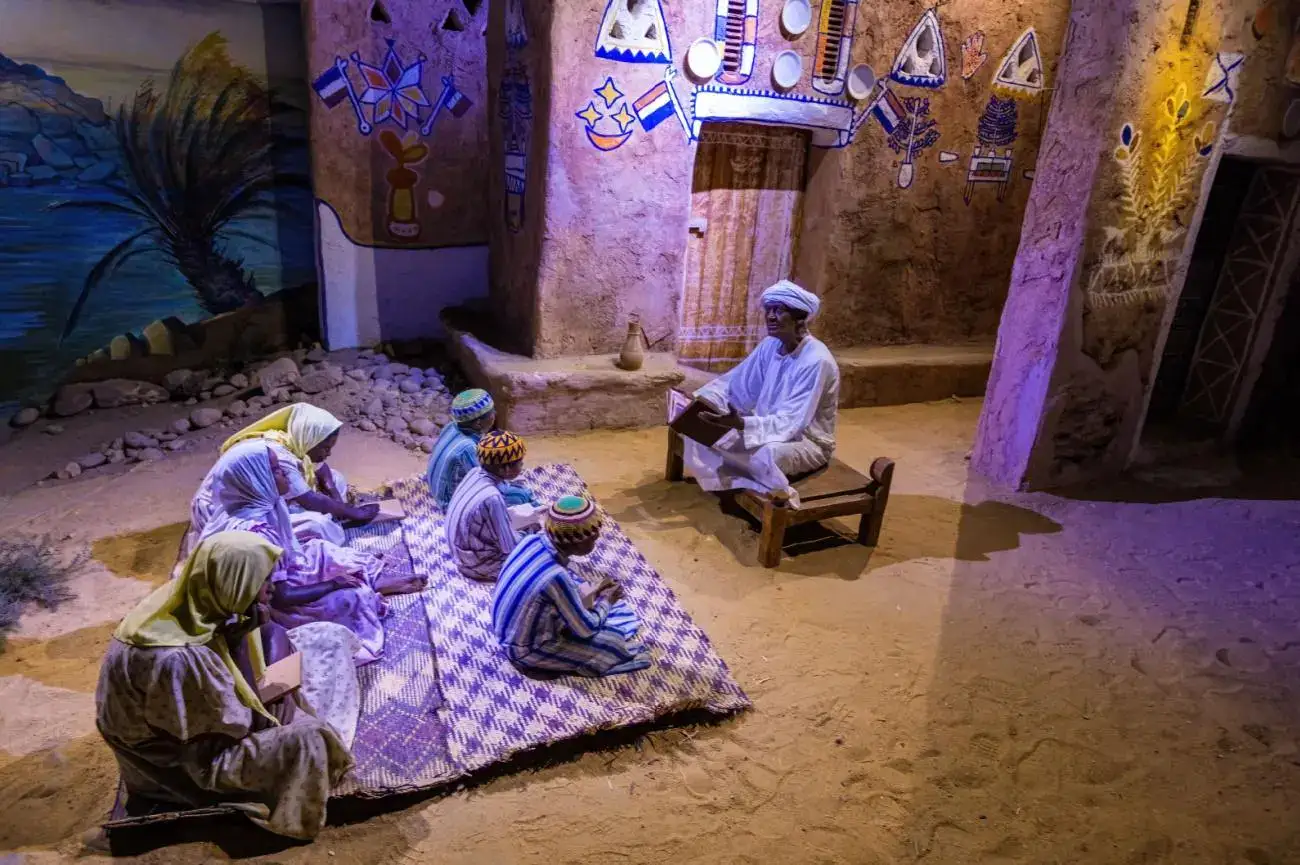
See traditional clothing, crafts, house models and scenes illustrating Nubian community life and customs.
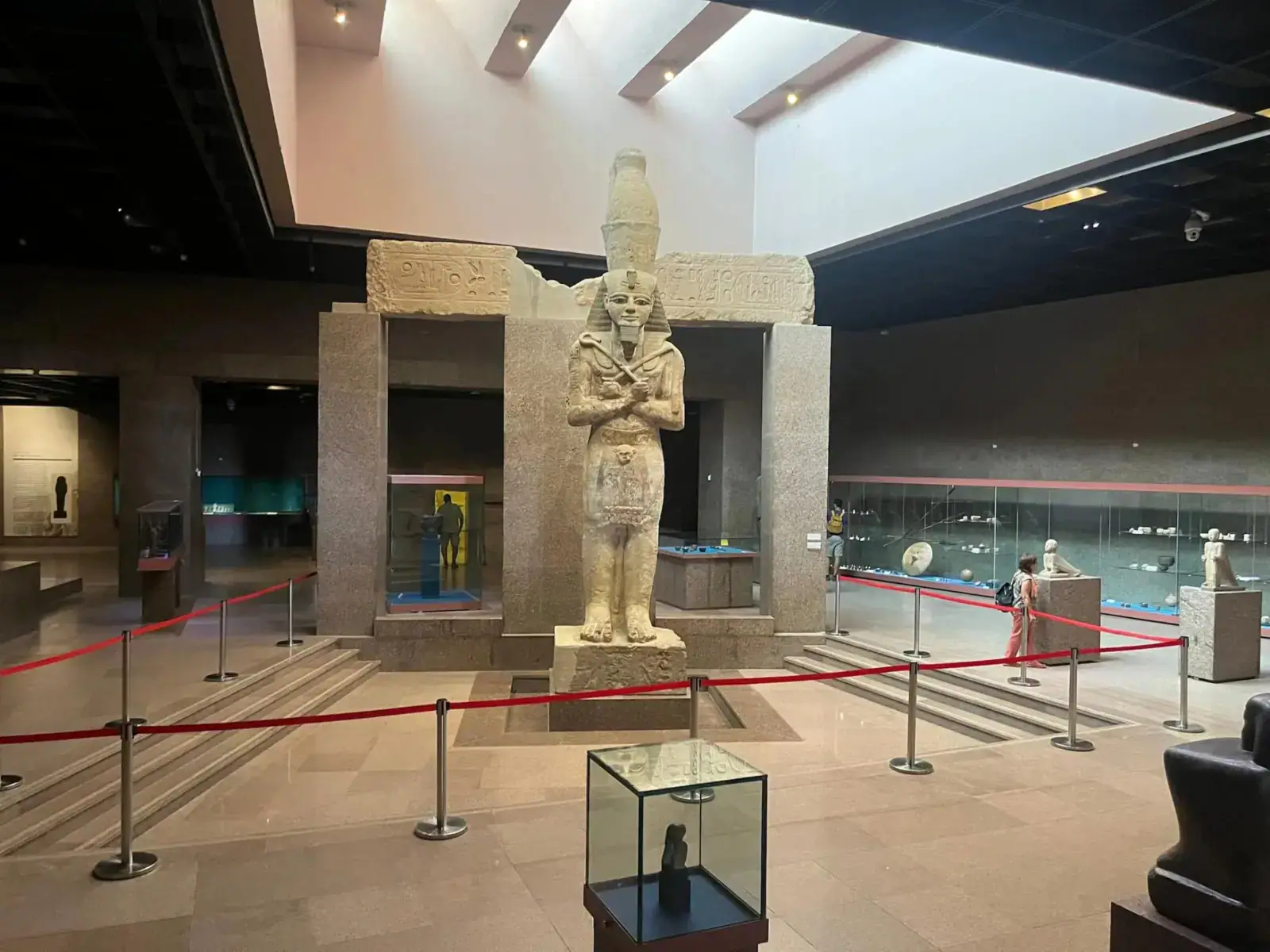
Statues, Stelae and Archaeological Discoveries
The museum’s three floors display thousands of objects representing the long development of Nubian civilization. Visitors encounter royal sculpture, funerary objects, pottery, jewellery, weapons and finds rescued from archaeological sites threatened by the construction of the High Dam.
A private Egyptologist guide can connect these objects with the temples and landscapes seen elsewhere in Aswan, including the Unfinished Obelisk and the monuments around Lake Nasser.
What to See at the Nubian Museum Aswan
Royal Sculpture
Stone statues and royal portraits from different periods of Egyptian and Nubian history.
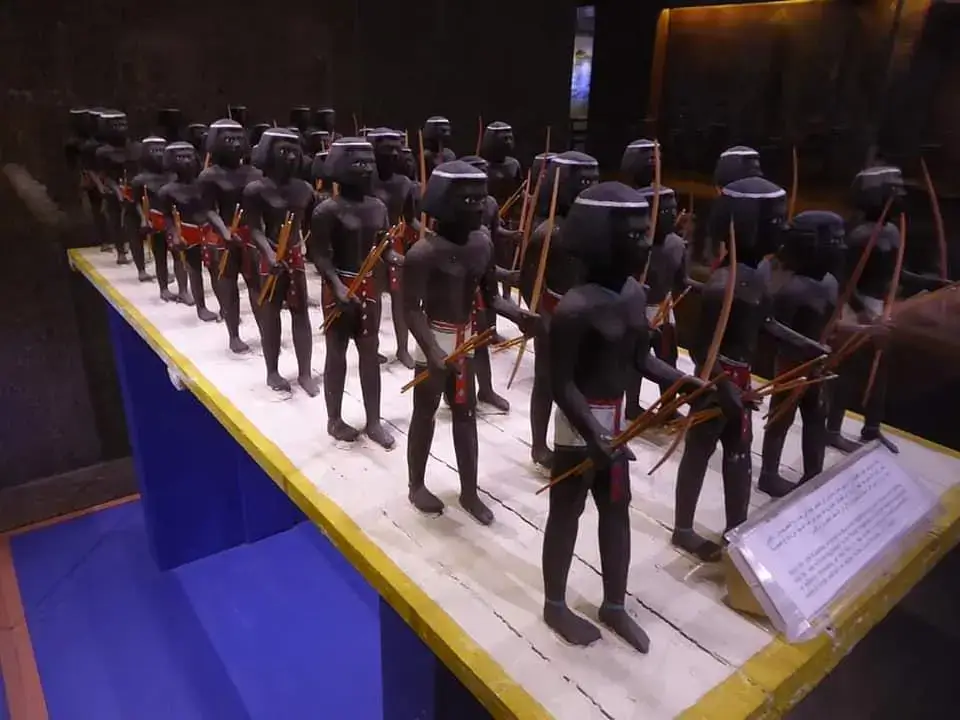
Nubian Archers
A striking model representing the famous military skill of Nubian bowmen.
Traditional Life
Dioramas and reconstructed scenes showing houses, crafts, clothing and family life.
Rescue Campaign
Displays explaining the UNESCO effort to document and relocate Nubian monuments.
Prehistoric Finds
Objects and evidence from the earliest human communities in the region.
Open-Air Garden
Archaeological elements, rock inscriptions and a landscape inspired by the Nile.
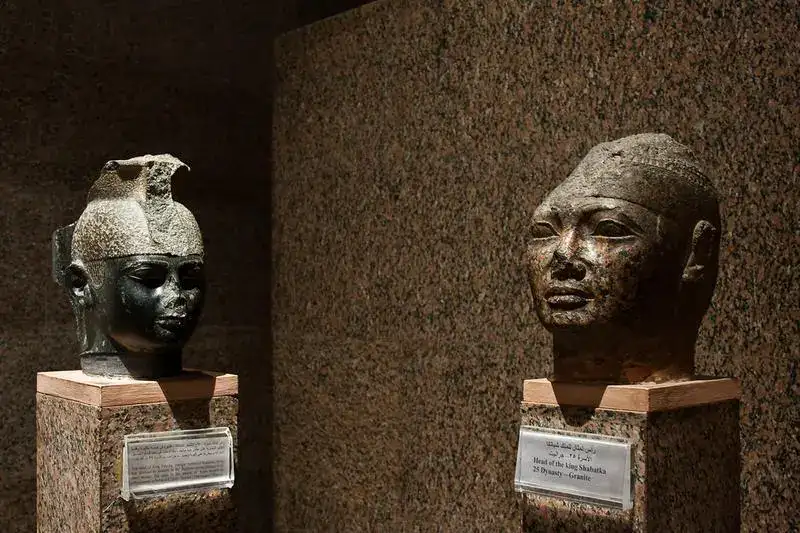
Royal Faces and Sacred Sculpture
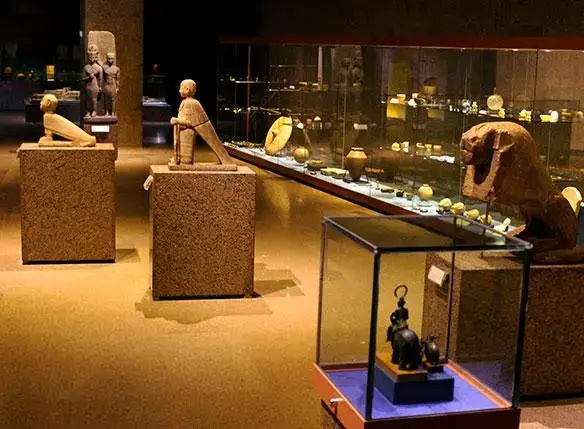
The collection reveals Nubia as a meeting place of African and Egyptian civilizations. Royal heads, sphinxes and standing statues demonstrate changing artistic styles while also showing the political and religious connections that crossed the southern Nile Valley.
Allow time to read the labels and observe the smaller objects as well as the monumental pieces. Jewellery, pottery and everyday items often provide the clearest picture of how people lived.
Nubian Museum Opening Hours and Tickets
Ticket window closes at 4:00 PM
Ticket window closes at 8:00 PM
Student: EGP 200
Opening hours and ticket prices can change. Before travelling, check the official Nubia Museum visitor page for the latest information.
Suggested Route Through the Nubian Museum
Architecture and Introduction
Begin by observing the museum’s Nubian-inspired architecture and introductory displays.
Prehistory and Ancient Nubia
Follow the chronological galleries from early settlements to the Pharaonic period.
Kingdoms and Cultures
Explore royal sculpture, religious objects and the cultural links across the Nile Valley.
UNESCO Rescue Campaign
Understand how archaeologists documented and saved Nubian monuments before Lake Nasser formed.
Traditional Life and Garden
Finish with the dioramas, Nubian house reconstruction and open-air museum garden.
Where Is the Nubian Museum?
The museum is on El Fanadek Street in Aswan, opposite the Basma Hotel and close to the Fatimid Cemetery. It is easy to reach by private vehicle or taxi from central Aswan, Nile cruise docks and most city hotels.
The museum combines well with the Aswan Botanical Garden, St Simeon Monastery or a visit to Philae Temple.
View the Private Museum Tour
Tips for Visiting the Nubian Museum
Visit in the Afternoon
The museum is an excellent indoor visit during the hottest part of an Aswan day.
Allow Garden Time
Do not leave immediately after the galleries; the landscaped open-air area deserves time.
Bring Student ID
Eligible students should carry valid identification when purchasing reduced admission.
Travel Light
Large bags and luggage are not permitted inside the galleries and may require storage.
Check Photography Rules
Follow museum staff instructions and any restrictions displayed near sensitive objects.
Consider a Guide
A knowledgeable guide makes the long chronology and cultural connections easier to understand.
Nubian Museum Aswan Gallery



More Places and Tours Near the Nubian Museum
Nubian Museum Aswan FAQ
What is the Nubian Museum famous for?
It is famous for presenting the archaeology, history, environment and living traditions of Nubia, including objects recovered during the UNESCO rescue campaign.
How long do you need at the Nubian Museum?
Allow approximately two to three hours for the main galleries, traditional-life displays and outdoor garden.
What are the Nubian Museum opening hours?
The official schedule currently lists daily daytime opening from 9:00 AM to 5:00 PM, plus evening opening on Thursday and Friday from 6:00 PM to 9:00 PM. Check the official website before visiting.
How much is admission to the Nubian Museum?
The official visitor page currently lists foreign admission at EGP 400 for adults and EGP 200 for eligible students. Prices can change.
Where is the Nubian Museum located?
It is on El Fanadek Street in Aswan, opposite the Basma Hotel and near the Fatimid Cemetery.
Is the Nubian Museum suitable for children?
Yes. Families can enjoy the large objects, models, traditional-life dioramas and garden. Children must remain accompanied by an adult.
Can I combine the museum with another Aswan attraction?
Yes. It combines particularly well with Kalabsha Temple, the Unfinished Obelisk, Philae Temple or another central Aswan visit.
Why was the Nubian Museum created?
It was created to preserve and present Nubia’s archaeological and cultural heritage following the international campaign to save monuments threatened by the creation of Lake Nasser.
Plan Your Nubian Museum Visit
Tell us your travel date, number of travellers and pickup location. Yalla Egypt Travel can arrange a private guided museum visit or combine it with Kalabsha Temple and other highlights of Aswan.
Discover Nubian History in Aswan
Visit the museum with a private Egyptologist guide and connect its collection with the temples, landscapes and living culture of Nubia.
View the Private Tour