
First, Egypt festivals reveal a side of the country that travelers cannot discover through monuments alone. From the extraordinary solar alignment at Abu Simbel to Ramadan nights in Cairo, Coptic celebrations, spring traditions, Arabic music, cinema and desert culture, festivals in Egypt connect ancient heritage with the everyday life of modern Egyptians.
What Are the Most Famous Egypt Festivals?
For example, the best-known Egypt festivals include the Abu Simbel Sun Festival, Ramadan and Eid celebrations, Coptic Christmas and Easter, Sham El-Nessim, the Arab Music Festival, Cairo International Film Festival and cultural traditions in Nubia and Siwa Oasis.
However, some dates are fixed, while others follow Islamic, Coptic or annually announced festival calendars. Therefore, travelers should always confirm exact dates before arranging a trip around a specific event.
Egypt Festivals Calendar at a Glance
| Festival or Celebration | Typical Time | Where | Why Experience It? |
|---|---|---|---|
| Coptic Christmas | January 7 | Nationwide | Historic Christian traditions and church ceremonies |
| Abu Simbel Sun Festival | February 22 | Abu Simbel | Ancient architecture, astronomy and Nubian celebration |
| Ramadan | Changes yearly | Nationwide | Lanterns, iftar, night markets and authentic Egyptian life |
| Eid al-Fitr | After Ramadan | Nationwide | Family celebrations, sweets and lively public spaces |
| Coptic Easter | Changes yearly | Nationwide | Religious heritage and Coptic traditions |
| Sham El-Nessim | Monday after Coptic Easter | Nationwide | One of Egypt’s oldest surviving spring traditions |
| Arab Music Festival | Usually autumn | Cairo | Arabic music, singers and orchestras |
| Abu Simbel Sun Festival | October 22 | Abu Simbel | Second annual solar alignment |
| Siwa Harvest Traditions | Autumn | Siwa Oasis | Date harvest, oasis culture and local heritage |
| Cairo International Film Festival | Usually November | Cairo | International and Arab cinema |
Why Festivals in Egypt Are Worth Experiencing
For example, for many travelers, Egypt begins with the Pyramids of Giza, the temples of Luxor, the Valley of the Kings and a Nile cruise. Yet those monuments mainly explain Egypt’s past. Therefore, festivals help visitors understand the living country that surrounds them.
Meanwhile, during Ramadan, historic Cairo changes after sunset. During Sham El-Nessim, families fill gardens and Nile-side spaces. Meanwhile, in southern Egypt, Nubian music and local traditions add another cultural dimension to a journey through Aswan.
As a result, cultural events in Egypt can transform an ordinary sightseeing itinerary into a more personal journey through Egyptian identity, food, religion, music and community life.
Best Egypt Festivals and Cultural Celebrations
1. Abu Simbel Sun Festival
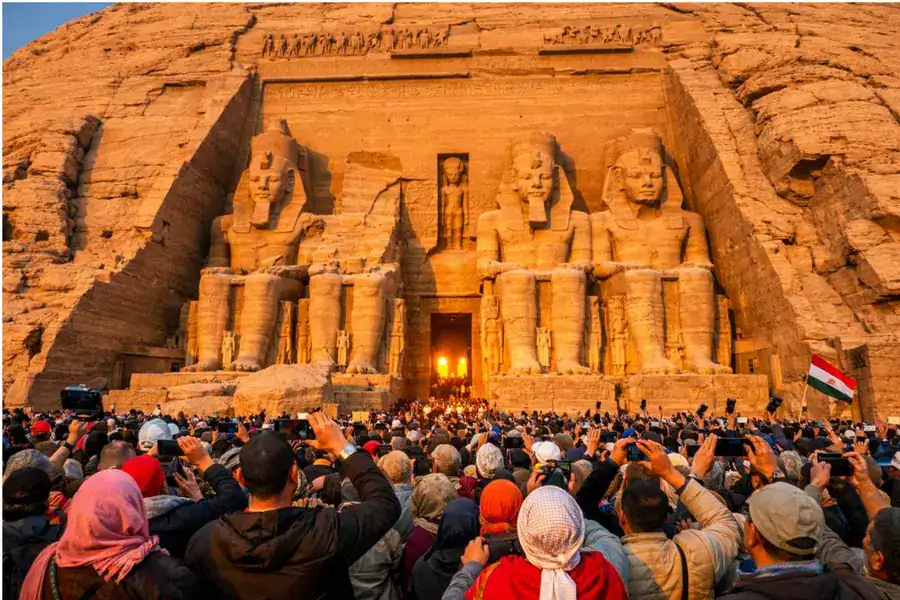
In particular, among all Egypt festivals, few experiences are as dramatic as sunrise at Abu Simbel. Moreover, twice each year, sunlight travels through the Great Temple of Ramses II and reaches the sanctuary deep inside the monument.
Moreover, the rays illuminate Ramses II together with Amun and Ra-Horakhty, while Ptah remains partly in shadow. The phenomenon demonstrates the remarkable architectural and astronomical planning associated with the temple.
Meanwhile, outside, travelers and Egyptians gather before sunrise. Traditional music, dance, food and local crafts help turn the event into a celebration that connects an ancient monument with modern Nubian culture.
Best for: Ancient Egypt lovers, photographers, history enthusiasts and special-occasion travel.
2. Ramadan in Egypt
However, Ramadan is a religious month rather than a tourist festival. Nevertheless, it creates one of the most distinctive cultural atmospheres travelers can experience in Egypt.
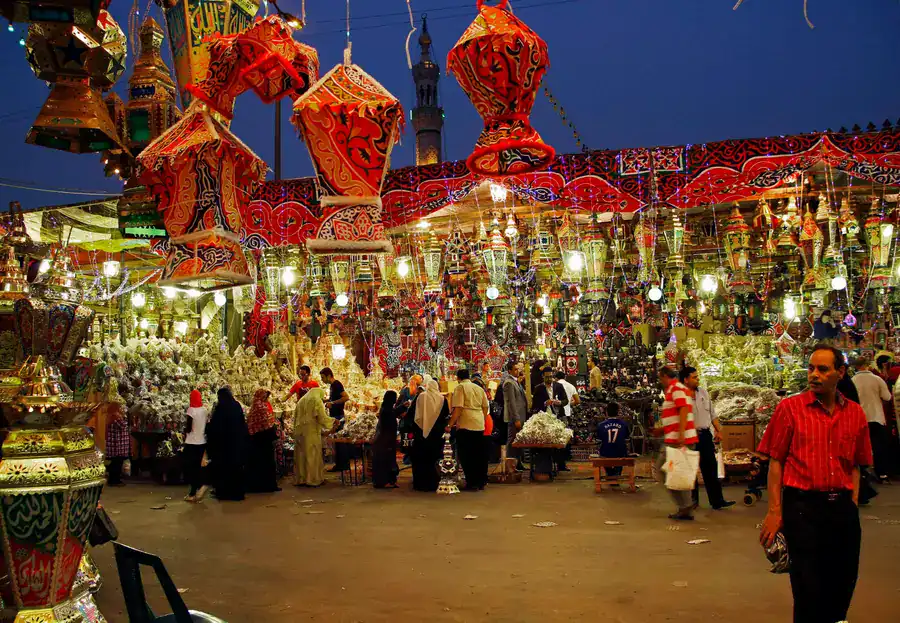
During the day, life may become quieter in some areas. After sunset, however, cities come alive as families gather for iftar and streets fill with lights, food, traditional sweets and the famous Egyptian fanous lanterns.
In addition, historic neighborhoods in Cairo are especially memorable. Islamic Cairo, Al-Muizz Street and the areas around Khan El Khalili can remain lively late into the evening.
Therefore, visitors should respect the religious nature of the month, particularly around people who are fasting and when entering mosques or religious areas.
Best for: Cultural immersion, food experiences, night photography and local atmosphere.
3. Eid al-Fitr
Next, Afterwards, Eid al-Fitr marks the end of Ramadan and is one of the happiest periods in the Egyptian calendar. Moreover, families visit relatives, children receive gifts, new clothes appear everywhere and traditional sweets such as kahk become part of the celebration.
As a result, public gardens, restaurants, entertainment areas and Nile boats can become extremely busy. That can make sightseeing logistics more complicated, but it also provides travelers with a rare chance to see ordinary Egyptian life during a national celebration.
Best for: Families, local culture and travelers interested in everyday Egypt.
4. Coptic Christmas
In addition, Importantly, Egypt is home to one of the world’s oldest Christian communities. Coptic Christmas, celebrated on January 7, reflects centuries of Egyptian Christian tradition.
Meanwhile, church services, family meals and religious observances take place throughout the country. In Cairo, travelers interested in Christian history can combine the season with a visit to Coptic Cairo, including ancient churches and religious sites.
Moreover, the celebration is an important reminder that Egyptian history extends far beyond the pharaonic period. Coptic, Islamic and modern traditions all contribute to the identity of Egypt today.
Best for: Religious history, historic architecture and cultural diversity.
5. Coptic Easter
Similarly, Similarly, Coptic Easter is one of the most important dates in Egypt’s Christian calendar. First, church services mark the end of Lent, followed by family gatherings and festive meals.
Therefore, for cultural travelers, Easter can be combined naturally with Coptic Cairo, historic churches and the following day’s nationwide spring celebration: Sham El-Nessim.
More Egypt Festivals and Living Traditions
Moreover, Egypt’s festival calendar extends beyond the best-known religious celebrations. The following events highlight spring customs, music, cinema, oasis life and Nubian heritage.
6. Sham El-Nessim – Egypt’s Ancient Spring Celebration
In fact, few traditions demonstrate the continuity of Egyptian culture as clearly as Sham El-Nessim. Egyptians have celebrated the spring occasion for thousands of years, and today it remains a nationwide holiday enjoyed across religious communities.
For example, families spend the day outdoors in gardens, parks and beside the Nile. In addition, traditional foods include colored eggs, spring onions and salted fish.
Consequently, the celebration provides a fascinating example of how extremely old seasonal customs can continue as part of modern Egyptian life.
Best for: Families, history lovers and travelers interested in living Egyptian traditions.
7. Arab Music Festival
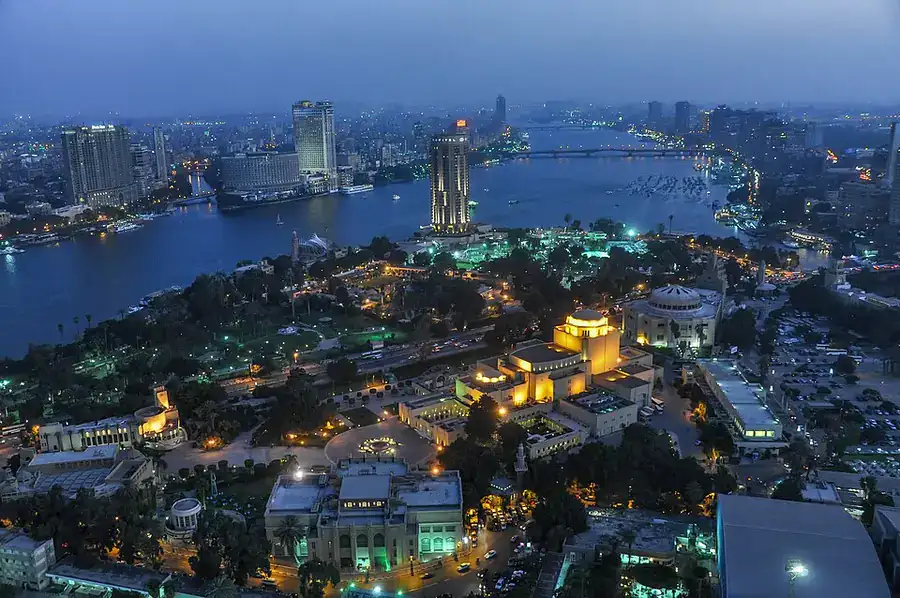
Meanwhile, the Arab Music Festival is one of Egypt’s major artistic events, bringing together singers, orchestras and musicians from Egypt and across the Arab world.
Moreover, performances celebrate both classical Arabic music and contemporary interpretations. For international visitors, the festival offers a completely different way to experience Egypt after a day spent exploring archaeological sites.
Therefore, because dates and performers change annually, travelers should check the current Cairo Opera House cultural calendar before arranging a visit around the event.
Best for: Music lovers, couples, cultural travelers and elegant evenings in Cairo.
8. Cairo International Film Festival
In addition, the Cairo International Film Festival is one of the best-known film events in the Arab world and Africa. It brings together international cinema, Arab filmmakers, critics, actors and industry professionals.
Furthermore, beyond screenings, the program may include discussions, workshops, industry events and opportunities to discover contemporary filmmaking from Egypt and the wider region.
Therefore, the festival takes place annually, so exact dates should always be checked through the official festival program before planning a trip around it.
Best for: Cinema lovers, creative travelers, artists and modern culture.
9. Siwa Oasis Harvest Traditions
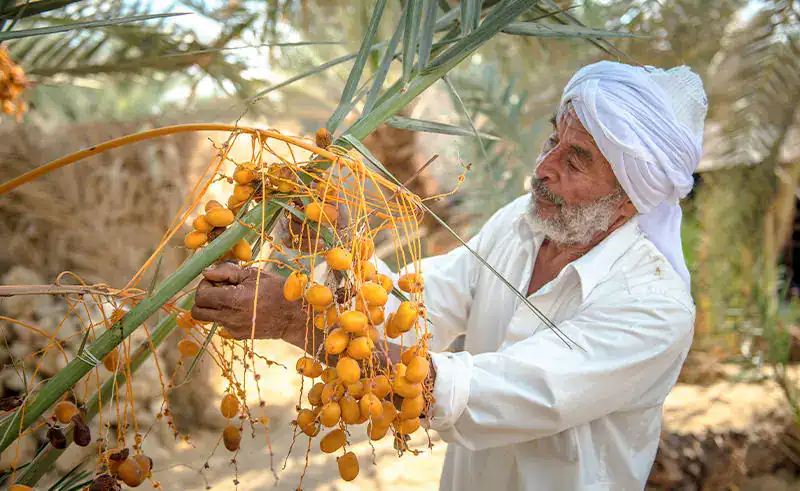
Meanwhile, deep in Egypt’s Western Desert, Siwa Oasis preserves a distinctive identity shaped by isolation, agriculture, desert traditions and its own local culture.
For example, the date harvest season provides travelers with an opportunity to see another Egypt: palm groves, traditional agriculture, local crafts, food and community life far from Cairo and the Nile Valley.
However, not every local Siwan gathering should be marketed as a fixed tourist festival. Therefore, some celebrations remain community traditions and dates may vary. That authenticity is precisely what makes Siwa so interesting for slow travelers.
Best for: Desert travelers, photographers, local culture and off-the-beaten-path journeys.
10. Nubian Cultural Traditions in Aswan
In addition, Furthermore, Nubian culture is one of the most distinctive cultural experiences in southern Egypt. Music, colorful architecture, language, food and village traditions give Aswan a character unlike any other major Egyptian destination.
Travelers may encounter traditional music and celebrations during cultural events, weddings and local gatherings. However, Nubian culture should not be treated as a staged attraction alone. Instead, the best experiences come from respectful interaction with local communities.
Best for: Cultural travelers, photographers, families and visitors continuing to Abu Simbel.
Ancient Egyptian Festivals vs Modern Egyptian Celebrations
Ancient Roots
Similarly, some modern traditions maintain connections with Egypt’s distant past. Sham El-Nessim is the clearest example, while Abu Simbel’s solar alignment brings modern crowds together around an ancient architectural phenomenon.
Living Culture
By contrast, In contrast, Ramadan, Eid, Coptic celebrations, music, cinema and Nubian traditions show that Egypt is not simply an archaeological destination. Its culture continues to evolve today.
Best Egypt Festivals for First-Time Visitors
- Abu Simbel Sun Festival: best for ancient Egypt and photography.
- Ramadan: best for food, night atmosphere and local culture.
- Sham El-Nessim: best for understanding the continuity of Egyptian traditions.
- Arab Music Festival: best for Arabic music and performing arts.
- Cairo International Film Festival: best for cinema and contemporary culture.
- Nubian cultural experiences: best for southern Egyptian heritage.
- Siwa harvest season: best for remote and authentic travel.
Best Time to Visit Egypt for Festivals
Fortunately, several important festivals in Egypt occur during comfortable travel seasons. Moreover, winter and autumn are particularly attractive because travelers can combine cultural events with Cairo, Upper Egypt and Nile cruising without the intense summer heat.
| Season | Travel Conditions | Festival Experiences |
|---|---|---|
| Winter | Mild days and cooler nights | Coptic Christmas and February Abu Simbel alignment |
| Spring | Warm and pleasant | Ramadan in some years, Easter and Sham El-Nessim |
| Summer | Very hot in Upper Egypt | Fewer major sightseeing-oriented events |
| Autumn | Excellent for touring | Arab music, Siwa harvest, Abu Simbel and cinema events |
October Can Be an Excellent Month for Egypt Festivals
Moreover, For example, October combines increasingly comfortable weather with the second Abu Simbel solar alignment on October 22 and, depending on the annual calendar, major cultural events in Cairo.
Therefore, a well-planned route can combine: Cairo → Aswan → Abu Simbel → Nile Cruise → Luxor.
Travelers can therefore experience modern Egyptian culture in Cairo, ancient architecture at Abu Simbel and the classic monuments of the Nile Valley in a single journey.
Can You Combine Egypt Festivals with a Nile Cruise?
Yes. In fact, cultural events work particularly well when they are built into a logical Egypt itinerary rather than treated as separate trips.
For example, travelers visiting the October Abu Simbel solar alignment can continue to Aswan and then sail north toward Luxor.
- 4 Days / 3 Nights Aswan to Luxor Nile Cruise
- 5 Days / 4 Nights Luxor to Aswan Nile Cruise
- Abu Simbel combined with Aswan and Nubian culture
- Cairo cultural events followed by Upper Egypt
How to Plan Your Trip Around Egypt Festivals
Choose One or Two Important Events
Trying to fit every festival into one journey usually creates a rushed itinerary. Instead, choose the celebrations that genuinely interest you and build the route around them.
Book Early for Abu Simbel
Consequently, the solar alignment attracts large crowds, so accommodation and transportation should be arranged early.
Expect Different Opening Hours During Religious Holidays
In addition, In addition, Ramadan, Eid and other national holidays can affect working hours, restaurant schedules, traffic patterns and attraction opening times.
Respect Religious and Local Customs
Therefore, dress respectfully at churches and mosques, ask before photographing people and remember that many celebrations are community or religious occasions rather than tourist performances.
Check Current Festival Dates
Finally, musical, cinematic and religious events may change dates each year. Always verify the latest schedule before paying for flights or hotels.
Egypt Festivals for Photography
Moreover, Moreover, Egyptian celebrations provide photographic opportunities that are completely different from traditional temple and pyramid photography.
- Sunrise crowds at Abu Simbel.
- Ramadan lanterns in historic Cairo.
- Night scenes in Islamic Cairo.
- Nubian architecture and cultural traditions in Aswan.
- Spring gatherings during Sham El-Nessim.
- Date palms and harvest scenes in Siwa.
- Music and performance venues in Cairo.
Frequently Asked Questions About Egypt Festivals
What are the most famous festivals in Egypt?
The best-known Egypt festivals include the Abu Simbel Sun Festival, Ramadan and Eid celebrations, Coptic Christmas and Easter, Sham El-Nessim, the Arab Music Festival and Cairo International Film Festival.
When is the Abu Simbel Sun Festival?
For example, the famous solar alignment takes place twice each year, on February 22 and October 22.
Is the Abu Simbel Sun Festival worth visiting?
Yes. It is one of Egypt’s most unusual cultural and archaeological experiences, although travelers should expect much larger crowds than on a normal visit.
What is the oldest festival in Egypt?
In fact, For example, Sham El-Nessim is among Egypt’s oldest surviving traditions. Its roots extend thousands of years into ancient Egyptian spring celebrations.
Can tourists visit Egypt during Ramadan?
Yes. Generally, tourist attractions continue operating, although some schedules can change. Evenings after sunset are especially atmospheric.
Is Ramadan a good time to visit Cairo?
For example, it can be excellent for travelers interested in local culture, particularly the evening atmosphere of historic Cairo after iftar.
What is Sham El-Nessim?
Similarly, In short, Sham El-Nessim is Egypt’s traditional spring celebration. Families spend time outdoors and enjoy foods associated with the occasion, including colored eggs, onions and salted fish.
Are Egyptian festival dates the same every year?
No. Some dates such as the Abu Simbel solar alignment are fixed, while Islamic holidays, Coptic Easter and arts festivals can move or be announced annually.
What is the best festival in Egypt for photographers?
In particular, the Abu Simbel Sun Festival is one of the strongest choices, while Ramadan nights in Cairo and Nubian cultural experiences also provide excellent photography.
Can Yalla Egypt Travel arrange a trip around a festival?
Yes. In addition, a private itinerary can combine cultural celebrations with Cairo, Aswan, Abu Simbel, a Nile cruise, Luxor and other destinations.
Experience Egypt Beyond Its Monuments
Ultimately, Egypt’s temples, tombs and pyramids preserve an extraordinary ancient civilization. Yet Egypt festivals demonstrate that the country’s cultural story never stopped.
For example, the rays of the sun entering Abu Simbel, Ramadan lanterns illuminating Cairo, families celebrating Sham El-Nessim and musicians performing Arabic classics all belong to different chapters of the same Egyptian story.
Ultimately, for travelers willing to look beyond the standard sightseeing route, these celebrations offer something monuments alone cannot provide: the chance to experience Egypt as a living culture.
Plan Your Egypt Journey Around a Cultural Experience
Finally, tell Yalla Egypt Travel your dates, the places you want to visit and the Egyptian traditions or festivals that interest you. We can design a private itinerary combining cultural experiences with Cairo, Abu Simbel, Aswan, a Nile cruise and Luxor.
Date note: Therefore, festival schedules and religious dates may change. Always confirm current event dates and opening times before booking travel.