

Tuna El-Gebel Necropolis · Minya
Tuna El-Gebel Necropolis
First of all, discover a forgotten city of the dead where the tomb of Petosiris, sacred-animal catacombs and Greco-Roman monuments preserve the story of ancient Hermopolis.
A hidden archaeological landscape
Tuna El-Gebel Necropolis: The Forgotten City of the Dead
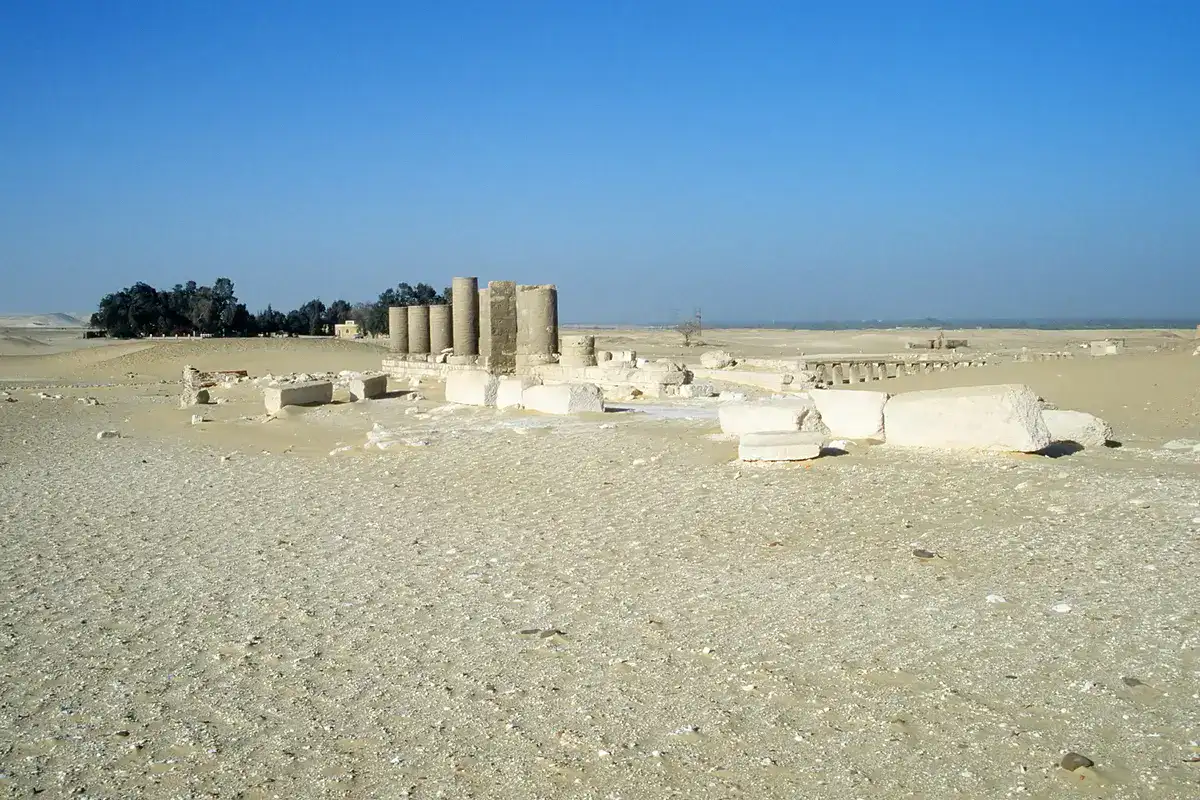
The Tuna El-Gebel necropolis, west of modern Minya, served as the cemetery of ancient Hermopolis, today’s El-Ashmunein. Moreover, across its desert plateau, tombs, animal catacombs, chapels and religious monuments span the Late Period, Ptolemaic age and Roman era.
Unlike Egypt’s busiest archaeological attractions, this remarkable site offers space to examine how Egyptian beliefs met Greek and Roman artistic traditions. In particular, it illuminates the cult of Thoth, the god of wisdom, writing and the moon.
Why is Tuna El-Gebel important? It preserves one of Egypt’s largest Greco-Roman cemeteries, the celebrated tomb of Petosiris, extensive galleries for mummified ibises and baboons, and rare evidence of cultural exchange in Middle Egypt.
Sacred extension of Hermopolis
History of Tuna El-Gebel
Initially, the site became the principal burial ground for Hermopolis, an influential city dedicated to Thoth. Although activity here reaches back to the New Kingdom, the necropolis expanded dramatically from the fourth century BCE and continued through the Roman period.
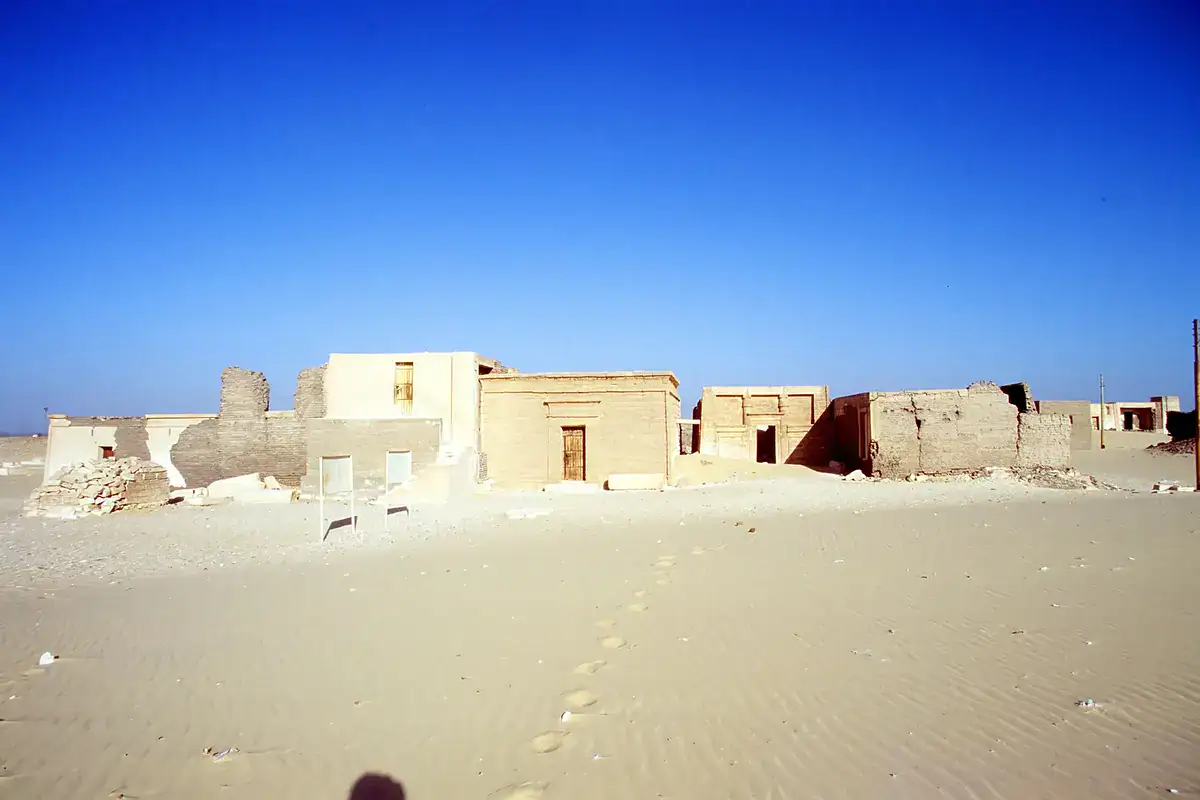
Meanwhile, priests, scribes, officials and prosperous families built monuments here. Over time, temple-shaped stone tombs stood beside multi-storey mud-brick funerary houses, creating a dense settlement for the dead. Therefore, the site records both religious change and the social history of provincial Egypt.
In addition, its surviving architecture shows how local communities preserved Egyptian funerary customs while adopting Hellenistic forms, clothing and artistic movement.
The necropolis masterpiece
The Tomb of Petosiris at Tuna El-Gebel
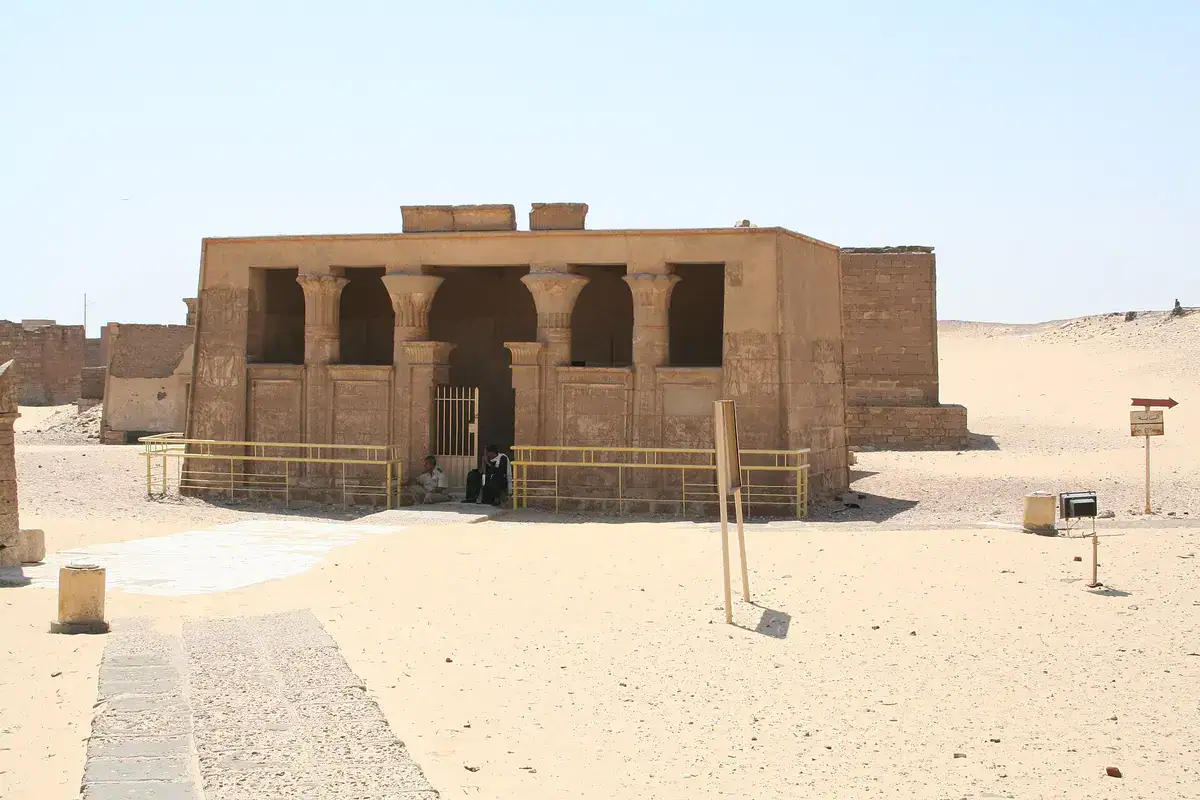
Petosiris, a high priest of Thoth in the late fourth century BCE, created the necropolis’s most celebrated monument. Its façade resembles a compact Egyptian temple, while the interior combines traditional religious scenes with a more naturalistic Greek visual language.
For example, reliefs show agriculture, craftsmanship, offerings and funerary ceremonies. Egyptian conventions organize the sacred imagery; meanwhile, the figures’ clothing, poses and movement reveal Hellenistic influence. Consequently, the tomb is one of the clearest monuments of cultural fusion in Egypt.
- Temple-shaped façade with columned portico
- Painted reliefs and detailed everyday-life scenes
- Egyptian theology expressed through Greco-Egyptian art
- Ancient Greek visitor inscriptions linked to later pilgrimage
Ibises, baboons and the cult of Thoth
Sacred-Animal Catacombs at Tuna El-Gebel
Beneath the desert lie long galleries associated with the burial of sacred animals. In particular, worshippers dedicated mummified ibises and baboons to Thoth, and priests placed these offerings within niches, jars and stone containers throughout the underground network.
Moreover, the scale of these catacombs reveals more than devotion. It also points to an organized ritual economy involving animal care, mummification, pottery, transport and temple administration. Thus, the galleries help archaeologists reconstruct both religious practice and everyday work.
A human story from Roman Egypt
Isadora’s Tomb at Tuna El-Gebel
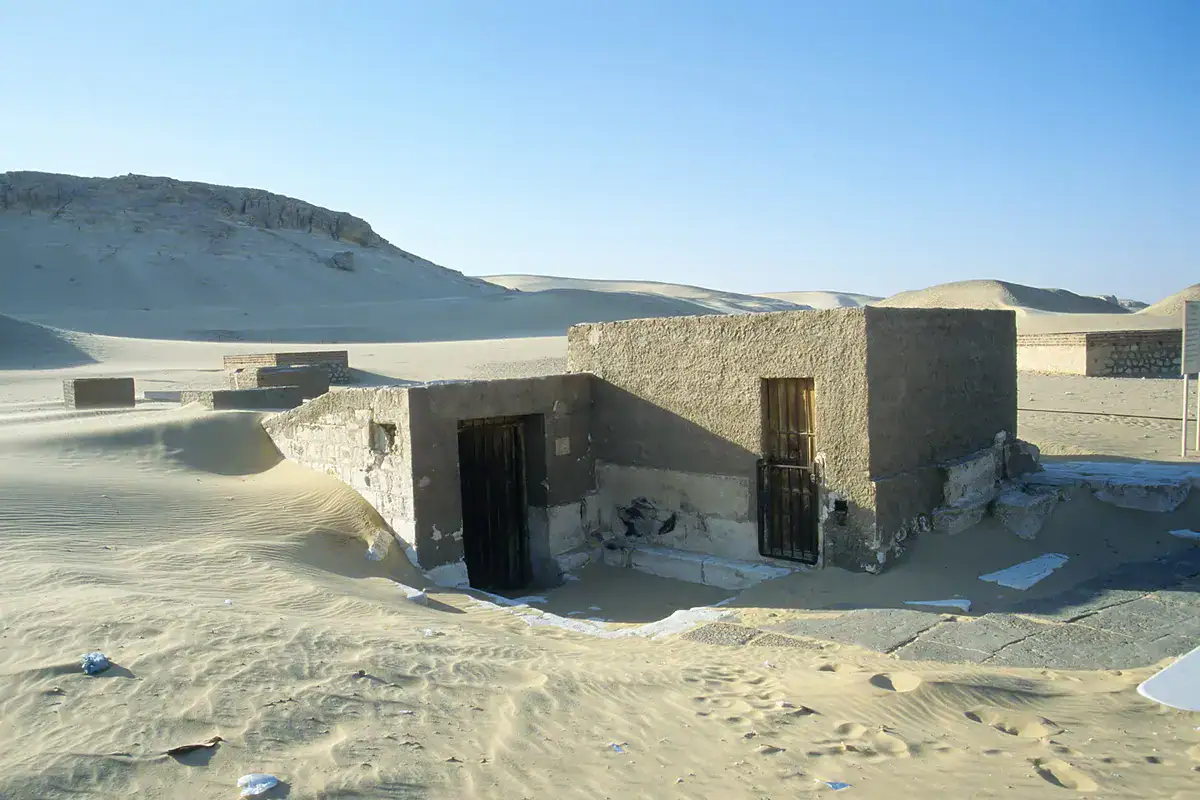
Next, Isadora’s memorial introduces the necropolis’s most personal story. Her tomb preserves a poetic Greek epitaph, while her mummified remains are traditionally associated with a glass-covered resting place inside the monument.
Although later legend turned her death into a tragic love story, the surviving memorial is valuable because it connects architecture and belief with grief, family memory and identity in Roman Egypt. As a result, Isadora makes the site feel deeply human rather than purely monumental.
Beyond the famous tombs
More Monuments at Tuna El-Gebel
Temple Remains
Foundations and architectural fragments near the necropolis point to sanctuaries connected with Thoth and the ritual landscape of Hermopolis.
Painted Roman Tombs
Plastered chapels and funerary houses preserve Egyptian symbols alongside increasingly classical figures, decoration and burial customs.
Amarna Boundary Stela
A rock-cut boundary monument linked to Akhenaten marks the wider historical landscape and connects Tuna El-Gebel with ancient Amarna.
Plan your visit
Visiting Tuna El-Gebel
Where is the necropolis?
The site lies in Minya Governorate, around 10 km west of Mallawi and near El-Ashmunein in Middle Egypt.
How do you get there?
Because public transport to the desert site is limited, a private car with a driver or an organized Minya tour is the most practical option.
What is the best season?
Generally, October through April offers milder temperatures. In addition, a morning visit reduces exposure to the strongest midday heat.
What should you bring?
First, carry water, sunscreen and a hat. Also, wear comfortable clothing and sturdy shoes suitable for sand, stone and uneven ground.
Visitor note: Opening hours, accessible areas and ticket procedures can change. Confirm the latest local arrangements before leaving Minya or Mallawi.
Tuna El-Gebel, Minya, Middle Egypt
Location of Tuna El-Gebel
Useful answers before you go
Tuna El-Gebel FAQ
What is this Minya site famous for?
It is famous for the tomb of Petosiris, sacred-animal catacombs connected with Thoth, the memorial of Isadora and a large Greco-Roman cemetery.
Where is the Tuna El-Gebel necropolis located?
It is in Minya Governorate in Middle Egypt, west of Mallawi and close to the remains of ancient Hermopolis at El-Ashmunein.
How old is the necropolis?
The landscape preserves evidence from the New Kingdom onward, although it flourished especially during the Late, Ptolemaic and Roman periods.
Who was Petosiris?
Petosiris was a high priest of Thoth in the late fourth century BCE. His richly decorated temple-shaped tomb is the best-known monument at Tuna El-Gebel.
Why were ibises and baboons buried at Tuna El-Gebel?
Ibises and baboons were sacred to Thoth. Worshippers offered mummified animals as acts of devotion, and priests deposited them in underground galleries.
How much time should visitors allow?
Allow roughly two to three hours for the principal monuments. A guide can make the visit more meaningful by explaining the site’s complex religious and artistic history.
Can the visit be combined with other Minya sites?
Yes. For instance, a private itinerary can combine it with El-Ashmunein, Tell el-Amarna or other archaeological sites in Minya, depending on time and local access.
Explore Middle Egypt privately
Want to visit Tuna El-Gebel with an Egyptologist?
Yalla Egypt Travel can arrange a private Minya route with transport, guiding and enough time to understand this remarkable necropolis beyond Egypt’s busiest tourist trail.